Discover pathways of plant wisdom, Ayurveda and ecology for embodied intelligence and holistic wellness.
%20Large.jpeg)
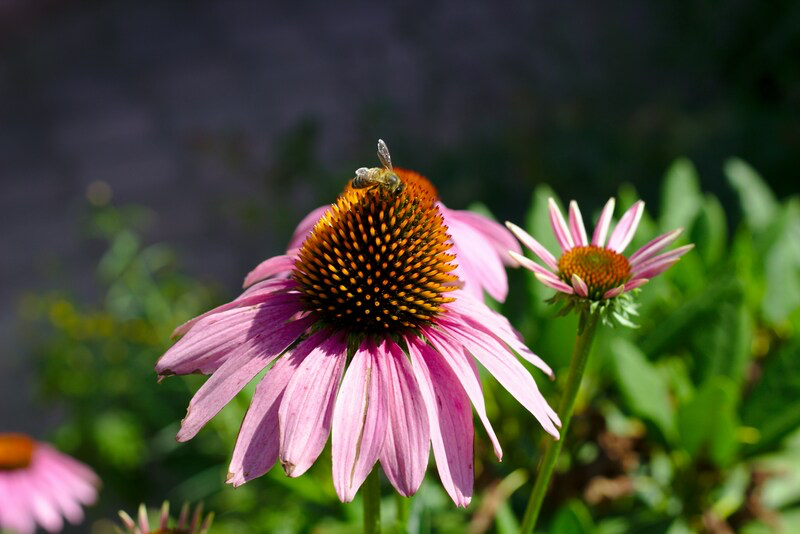
For over a week, six ceramic pots and a bag of cactus sand had been sitting on my dining room table waiting for me to finally have enough time to deal with it. Every day I walked past thinking, “tomorrow.”
But life had been sprawling in too many directions lately, and even the things I wanted to tend to kept getting pushed further down the list.
That morning I sat outside drinking coffee, watching the early light hit my neighbor’s pink azaleas and the perfectly stacked mulch bags lining their fence. Something about the beauty of it all—or maybe the comparison pulled me back inside.
I looked at Lorraine.
I looked at the clock.
I had three free hours before I had to go teach yoga.
“Fuck it,” I declared confidently.

Knock, knock.
Are you listening to the deep whisperings of nature?
The wisdom of nature is offered to us all the time, but are we really aware of what we are being offered?
I call this the common sense approach to life: When it is cold we put our jackets on. This is our instinctual approach to life, a mechanism inherent in us. We rely on this support of nature—the forces and energies—all the time.
As a child I grew up in a household in Mumbai, India, where my family practiced all the ancient principles of Ayurveda.
Rasa is a shimmering jewel with rich, multifaceted meaning—not something understood intellectually,
but a state to be experienced and felt.
It is the flavor of experience, the subtle essence that gives life its sensory, emotional and spiritual meaning.
Every verbal description falls short of what rasa conveys.
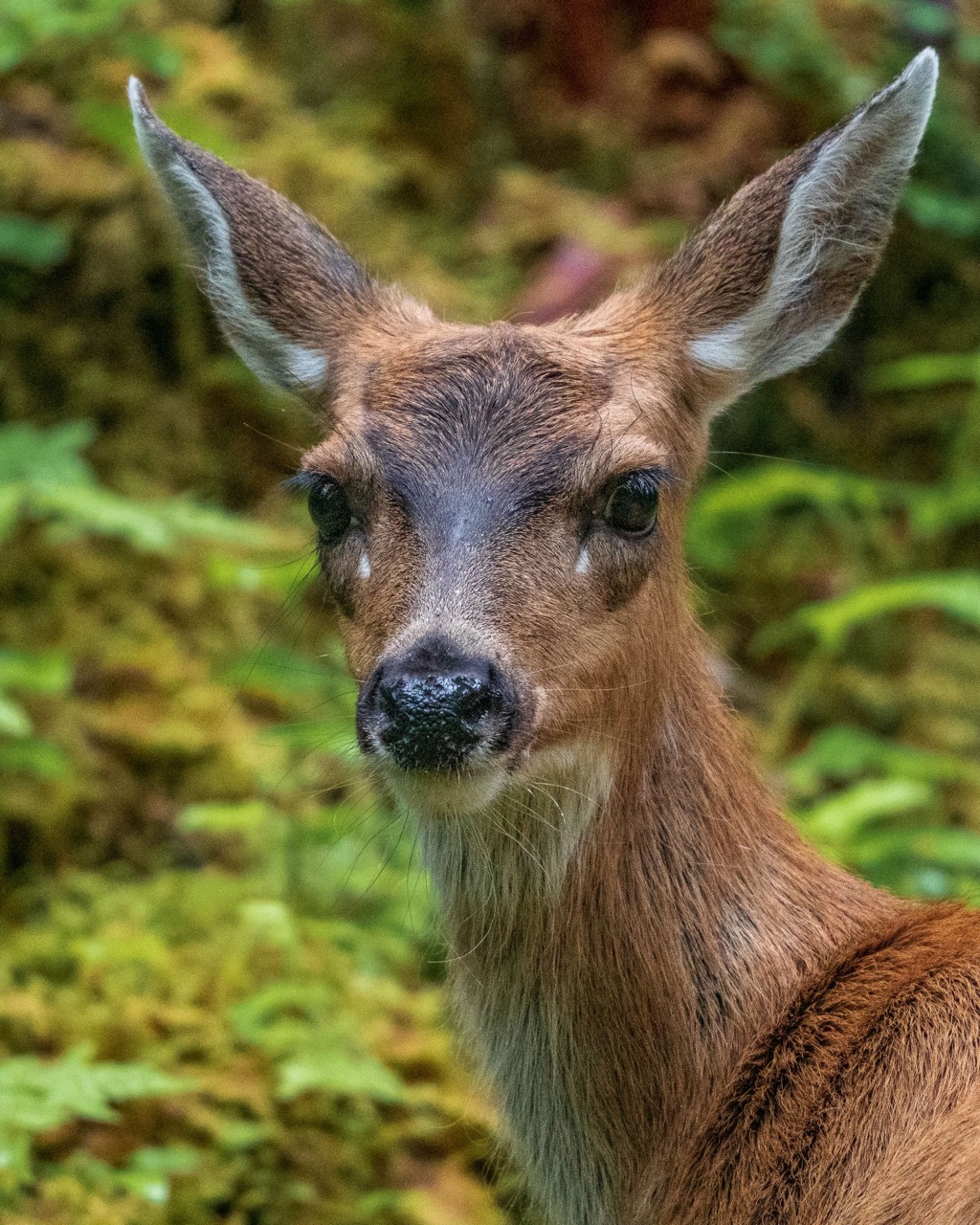
I am making my way through the dense tangled rainforest somewhere in the Tongass National Forest in southeast Alaska. The trees soar hundreds of feet above my head dripping with moss and moisture. The understory is covered with bark chips, needles, and vegetation thick with skunk cabbage, ferns, and devil’s club. Speckles of red dot the variegated greens and browns to reveal salmonberry, watermelon berry and raspberry. But be careful! Not all red berries are edible. As few as five red baneberries can kill you, so take care. Scat is everywhere signaling the wildlife which are roaming and present. There is evidence of bears and wolves in the area. The bears are busy taking advantage of summer’s bounty to fatten up for the coming winter. The bears’ scats are either stinky and goopy, reeking of excreted salmon detritus, or well-formed and midnight blue, “bee boo-berry poo” as the locals call it. I need to watch my step.

Brad Orsted is who you want to sit next to—whether at a barbeque, in a waiting room, or on a bus. He is full of Midwest charm and has an easy and gracious way of carrying a conversation into deeper waters without becoming awkward. As it goes when someone has made it to the other side, he has become so comfortable telling his story of loss and redemption that he can weave it into almost any topic. He naturally opens a window for you to respond, share and connect…all while having a good time. By simply owning his experience, he creates an atmosphere that feels supportive and inspiring.
His first memoir Through the Wilderness: My Journey of Redemption and Healing in the American Wild is a raw and honest account of the tragic loss of his baby daughter, Marley, who died under suspicious and mysterious circumstances in the care of his mother. He describes his haunting reality in the throes of addiction and pain.