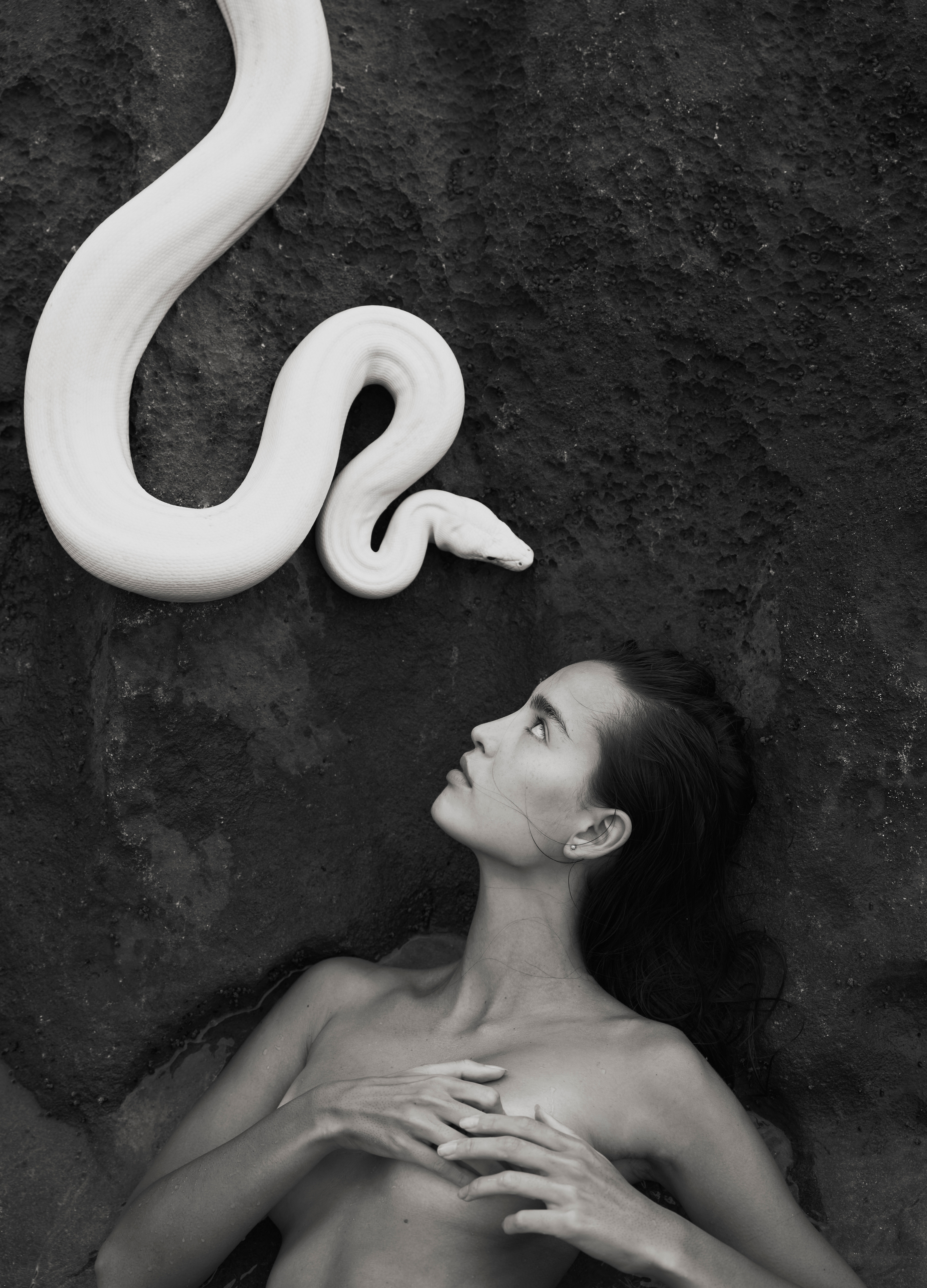
We are human and divine at the same time.
It is the flavor of experience, the subtle essence that gives life its sensory, emotional and spiritual meaning.
Every verbal description falls short of what rasa conveys.
It animates our inner world, like a fragrance arising when body, mind and spirit align.
Rasa is the essence of everything—both physical and metaphysical.
Everything in the universe carries a quality—in nature and within us.
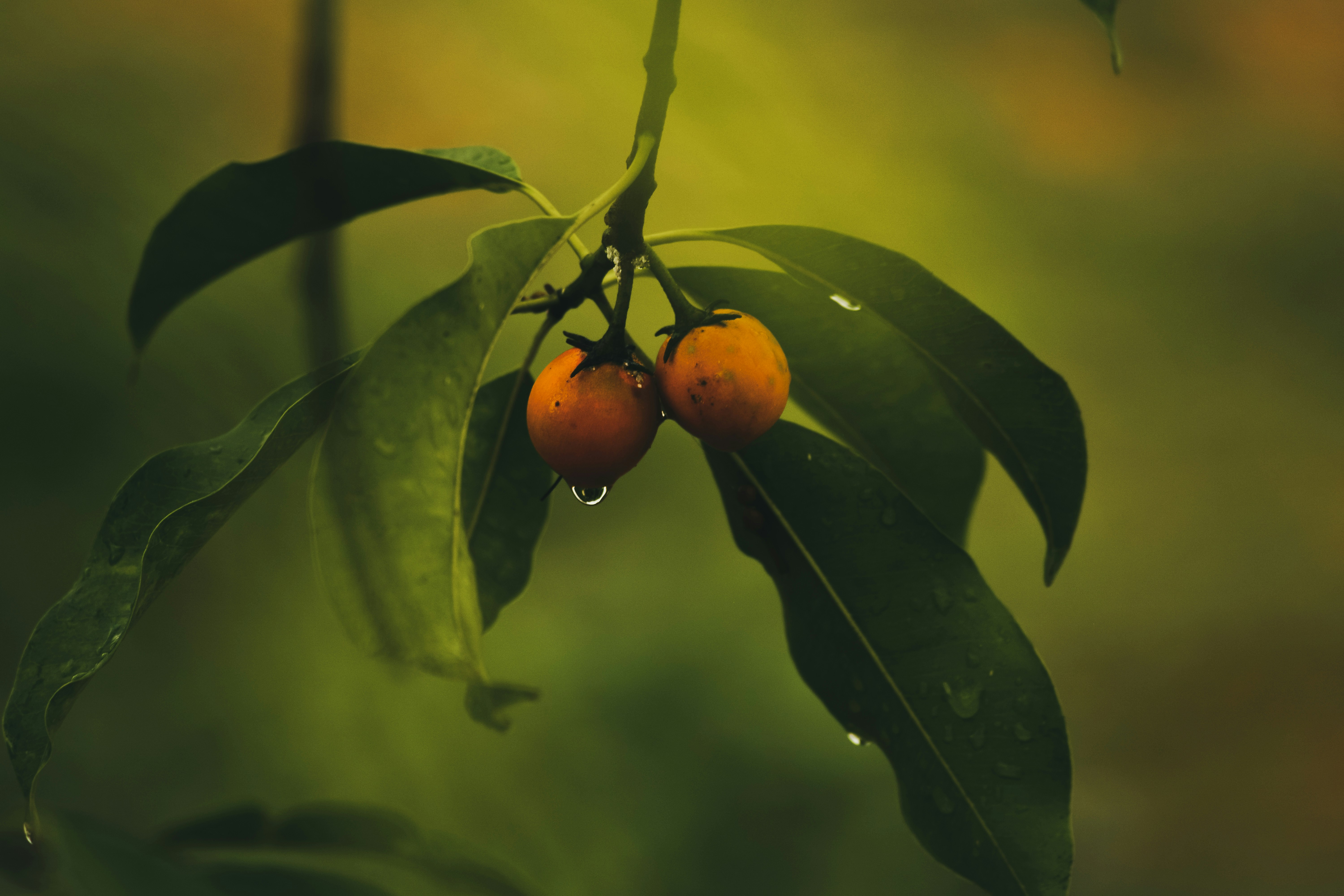
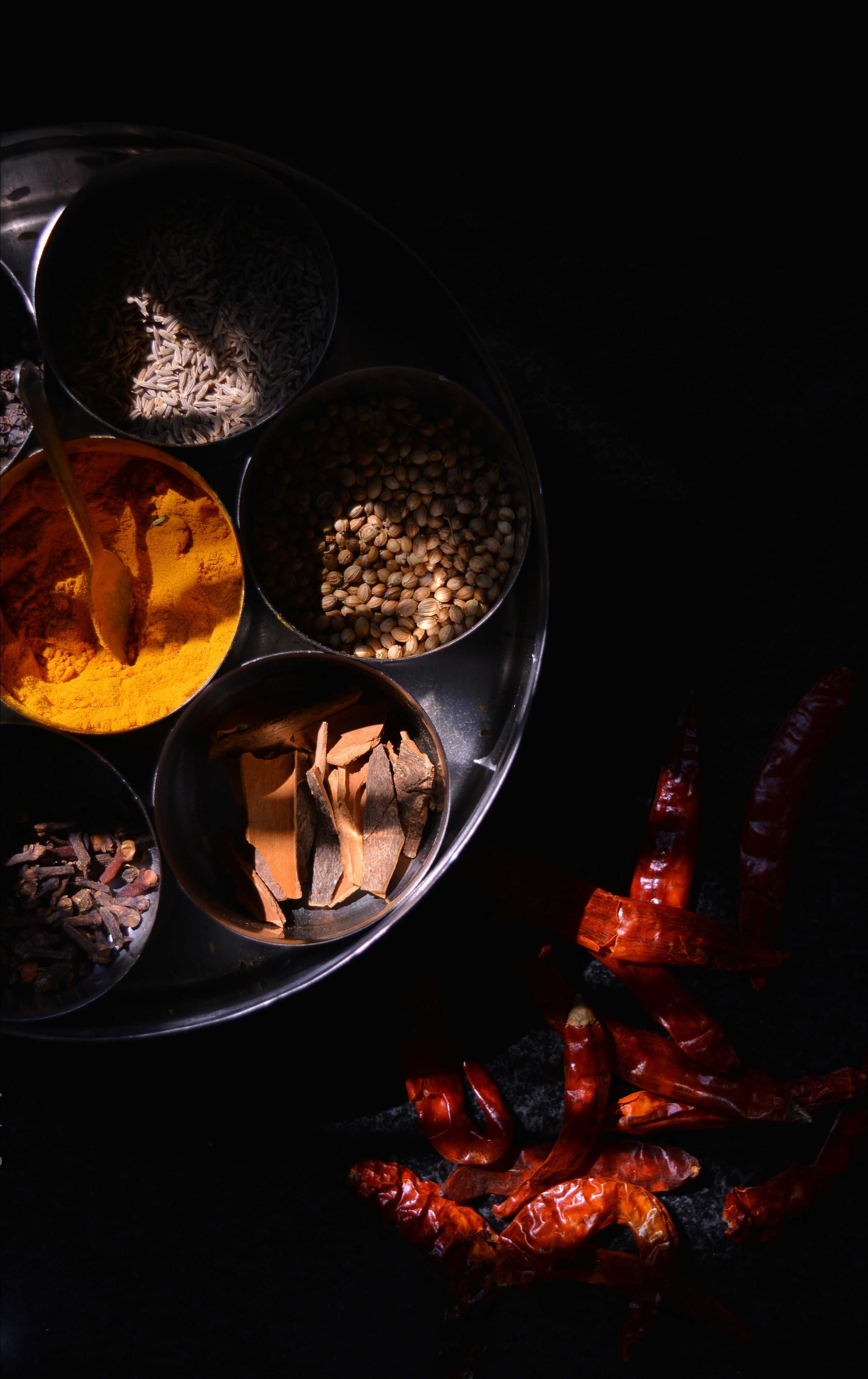
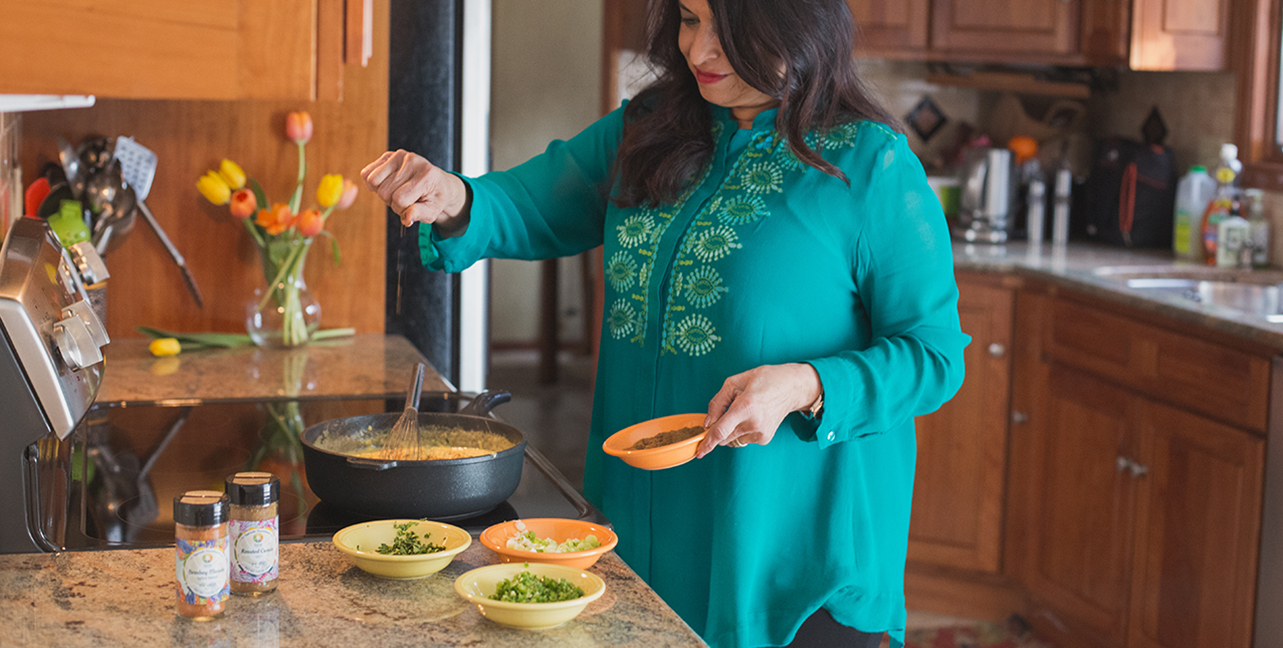
In Ayurveda, rasa is first perceived through the tongue: sweet, sour, salty, pungent, bitter, astringent. When all six tastes are present in a meal, the palate is delighted and the body feels deeply nourished.
During digestion, food transforms into rasa dhatu, the primary nutritive fluid that nourishes all tissues, organs and cells. This subtle essence becomes the foundation of ojas, tejas and prana—vitality, radiance and life force.
To eat is human.
To digest is divine.
But digestion has another meaning: the digestion of emotions. Every experience carries an emotional rasa. Sensory impressions move through the body, evoke memory and feeling, and shape our inner state. Rasa becomes the bridge between senses, mind and spirit. It is the invisible current that moves us to tears from a piece of music, stirs awe when we behold a sunset, awakens nostalgia from a scent and creates unity between the artist and the audience.
Rasa is a state of complete absorption—when the thinking mind stops
and pulses of pure feeling arise through the body.
What we truly yearn for is the juiciness of life—not only in what we consume,
but in how we feel, remember and love.
Without rasa, experience can become dry, rigid or routine.
Across Indian arts, rasa is the emotional essence carried through movement, sound, color and silence.
Each is a portal:
They are fields of feeling—
vibrational landscapes the soul recognizes as home.
Through years of studying Indian classical music and the Yoga of the Voice with my teacher Silvia Nakkach,
I came to understand:
Rasa is vibration
before it becomes emotion.
Sound is not merely entertainment. It is a vehicle for transformation.
In the pause between two notes, in the stillness between breaths, rasa reveals itself.
Listening deeply into the silence, one begins to hear rasa and access the divine.
Silence tethers us back to the heart, revealing our own unique heart song.
Silvia calls this threshold tyāga—the rasa of letting go.
There is sound, but no doer.
There is expression,
but no ego.
Only intimacy.

Sri Aurobindo teaches that rasa is ānanda—the divine bliss that permeates and sustains all creation.
The ancient sages point to something profoundly experiential:
Raso vai saḥ—Truly, the divine is rasa.
The divine is that which is tasted, relished and lived.
When music dissolves the listener into sound, that is rasa. When love softens hearing and ego disappears, that is rasa. It is the subtle vibration that arises when consciousness recognizes itself. Whether an experience is joyful or painful, sweet or bitter, rasa is the concealed delight at its core—the remembrance that we are sparks of the divine, participating in a greater play of consciousness.
When the ego softens and the personal narrative dissolves, the boundary between the sacred and the ordinary disappears. Cooking, listening, breathing, creating and loving all become acts of participation in divine delight. Rasa is no longer something to be pursued; it is the atmosphere and space in which we live.
Knock, knock.
The divine is knocking on your door.
Are you listening?
Listening with your inner ears?
Seeing with your inner eyes?
Hearing your own unique expression of the heart song?