“The grief from the loss of a child never fully heals. I know that is mine to carry for the rest of my life, so I had to find a safe place for it. Nature helped me do that.”
“You know we lost Marley when we were living in Michigan,” Brad recalls. “And it was just apparent that we were not going to be able to pull it together there. We were fortunate to get jobs in Yellowstone National Park. So we moved from Michigan right into the heart of Yellowstone. And I guess I thought that just by moving to one of the most beautiful places in the world, I would somehow magically be healed of all the tragedy and all the trauma.
So when I got there, and realized that it wasn't automatically healed–and I was surrounded by all that beauty, but inside was still all of this horror–I was really struggling to reconcile that. I’ve been to psychotherapists who cried when I told them my story…so I didn't feel like my prognosis was very good.
All the therapists and psychotherapists and psychoanalysts and counselors–and God bless each and every one of them for doing their best to help me along the way–but I never felt good in those offices. I felt like we were ripping things open for 50 minutes and then I was supposed to leave like I wasn't going to go drink or jump off a bridge or something after that.
I was stuck in that looping trauma, and nature was the only place where my central nervous system could calm down and I felt close to my daughter again. And I felt connected. And that's where I felt better. That was my sanctuary.
All I had for a long time was just hope, just this tiny, tiny, indefatigable flicker of hope in this giant dark arena. I had one tiny Bic lighter and I was just trying to navigate by the light of that, that little bit of hope that things could get better, that I could be a whole person, that I could be better than I've ever been… I'd see a little flash of brilliance and then I'd see days of horror. And I just had to hang on to hope that it could get better.
I had a practice of drunken scrawling in my journal.
One night, after contemplating how I still wasn't getting any better, I wrote an entry: ‘Maybe the best thing that could happen to me is that I would just die in the backcountry and be crapped out somewhere beautiful by the birds and the bears.’ I thought that was maybe the best thing that could happen to me.”
“A couple weeks later I woke up hungover and ashamed for the thousandth time.
I just kind of bolted out the door.
I took off with no plans, or provisions,
or really any ideas.
I wasn't really contemplating a
one-way trip into the back country.
Lo and behold something,
I thought it was an elk,
lifted its head.
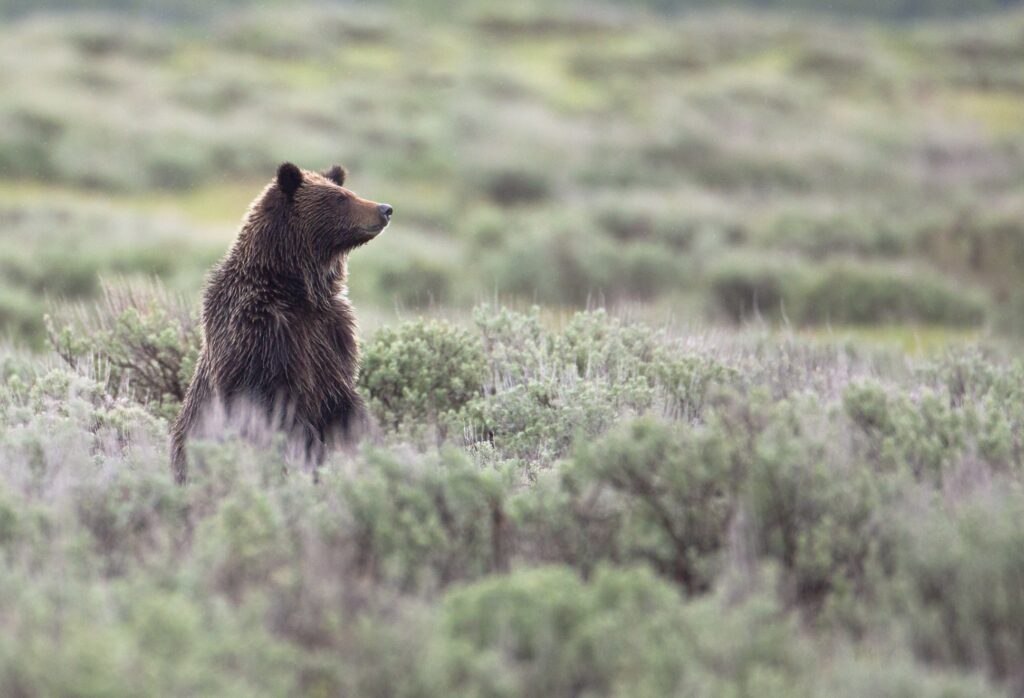
It was a grizzly bear.
It froze me in my tracks.
I realized two things: I didn't want to die.
I really didn't, and I definitely didn’t want to be crapped out somewhere beautiful anymore. In all of my ideations, I had controlled the scenarios, whether I jumped or whether I didn’t. This was the first time that control was taken away from me.
And I realized that I didn't want to die.
I just didn't know how to live.”
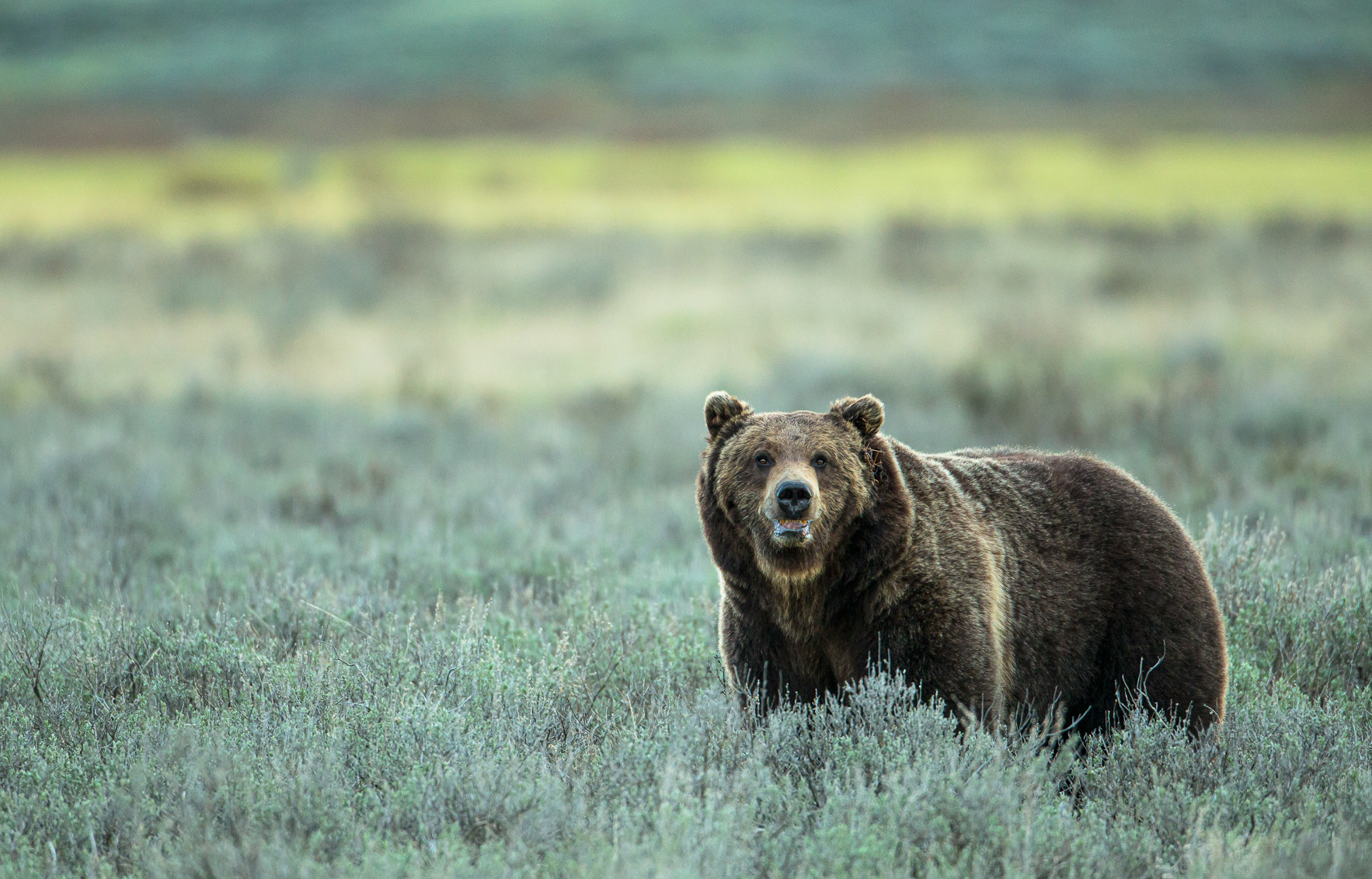
“There's so much healing out there [in the wilderness]. I was already doing the full immersion into nature, because of my job. I spent 300 days a year in Yellowstone, out taking photos and filming. But it was my Crow family–a Crow Indian family here in Montana–who, kind of, adopted me. They're all in long-term recovery, and they took me in. My Crow sister, Rachel, is the one who encouraged me. She said,
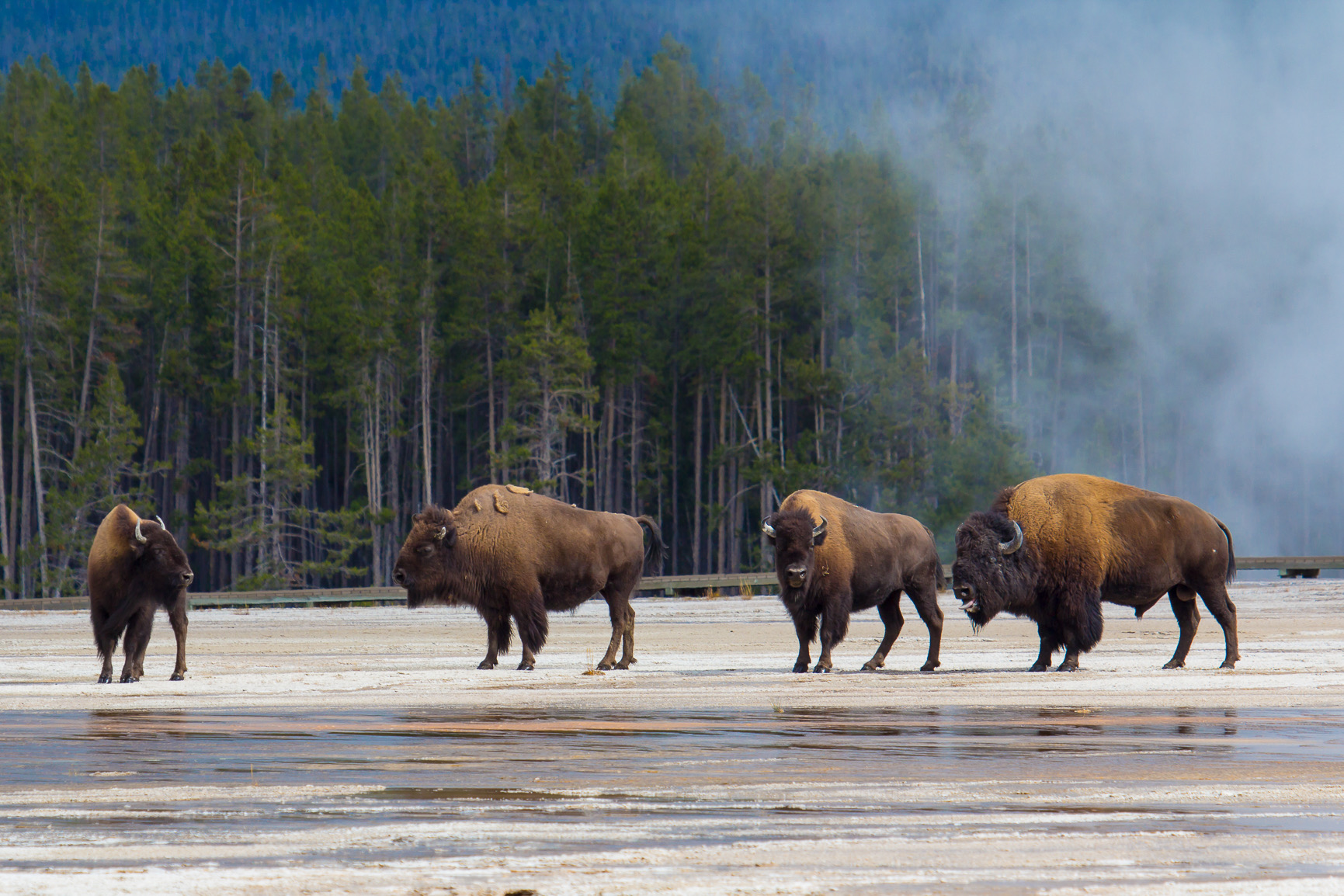
‘While you're out there filming, watch the buffalo. When the storm comes, they face right into it. That's depriving the storm of a bit of its ferocity. When you see the grizzly bear come out onto a meadow and it owns that meadow…’ She said, ‘I want you to own your emotional landscape like that. Watch how the animals and nature work together and turn off your camera and just sit and feel that and be a part of it.’”
Lessons from my Crow family inspired me to shut off my internal dialogue and find some peace. Being out there in nature, my central nervous system would calm, and that's when I could talk to my daughter. That's when I could talk to my creator. I could talk to the bears and the buffalo and ask them for strength and help, and for provisions and insight. I’d ask those things and try to make myself worthy of receiving those lessons.”
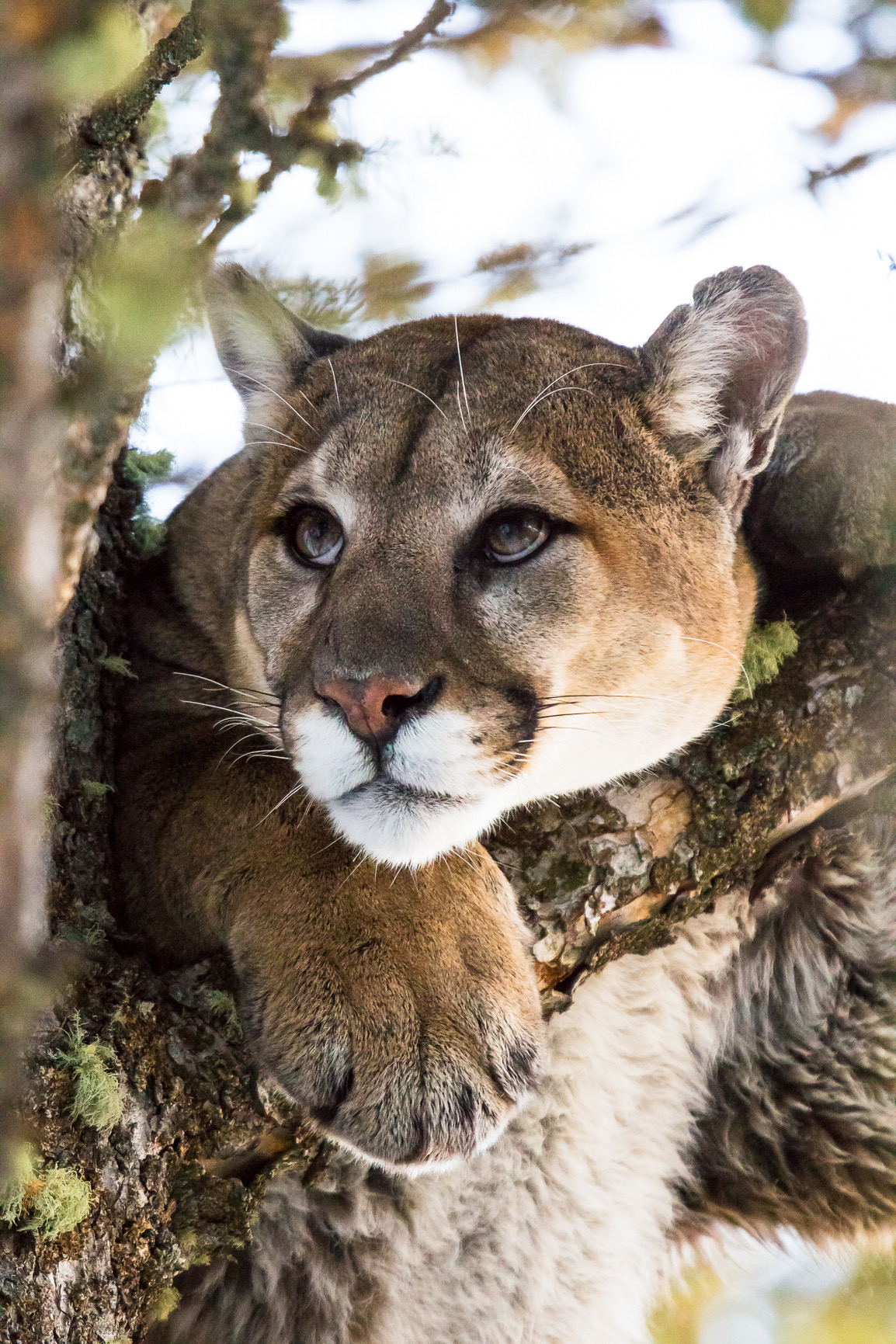
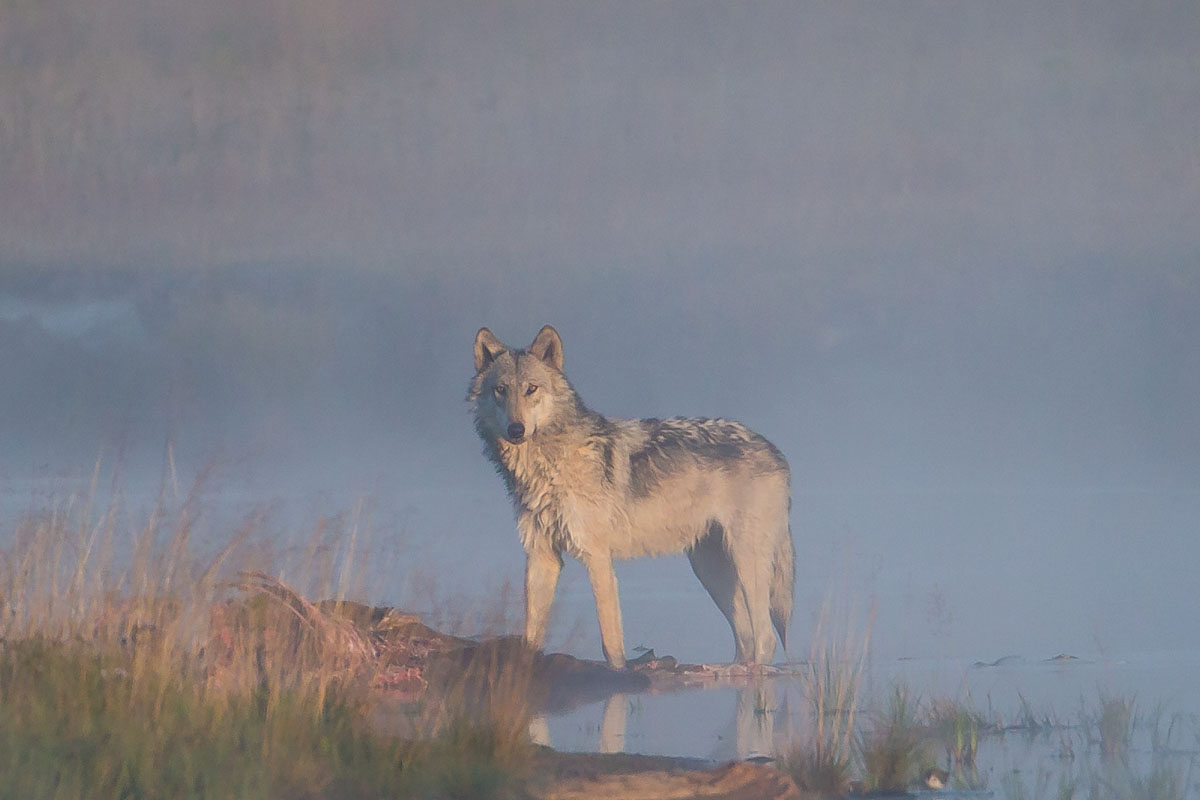
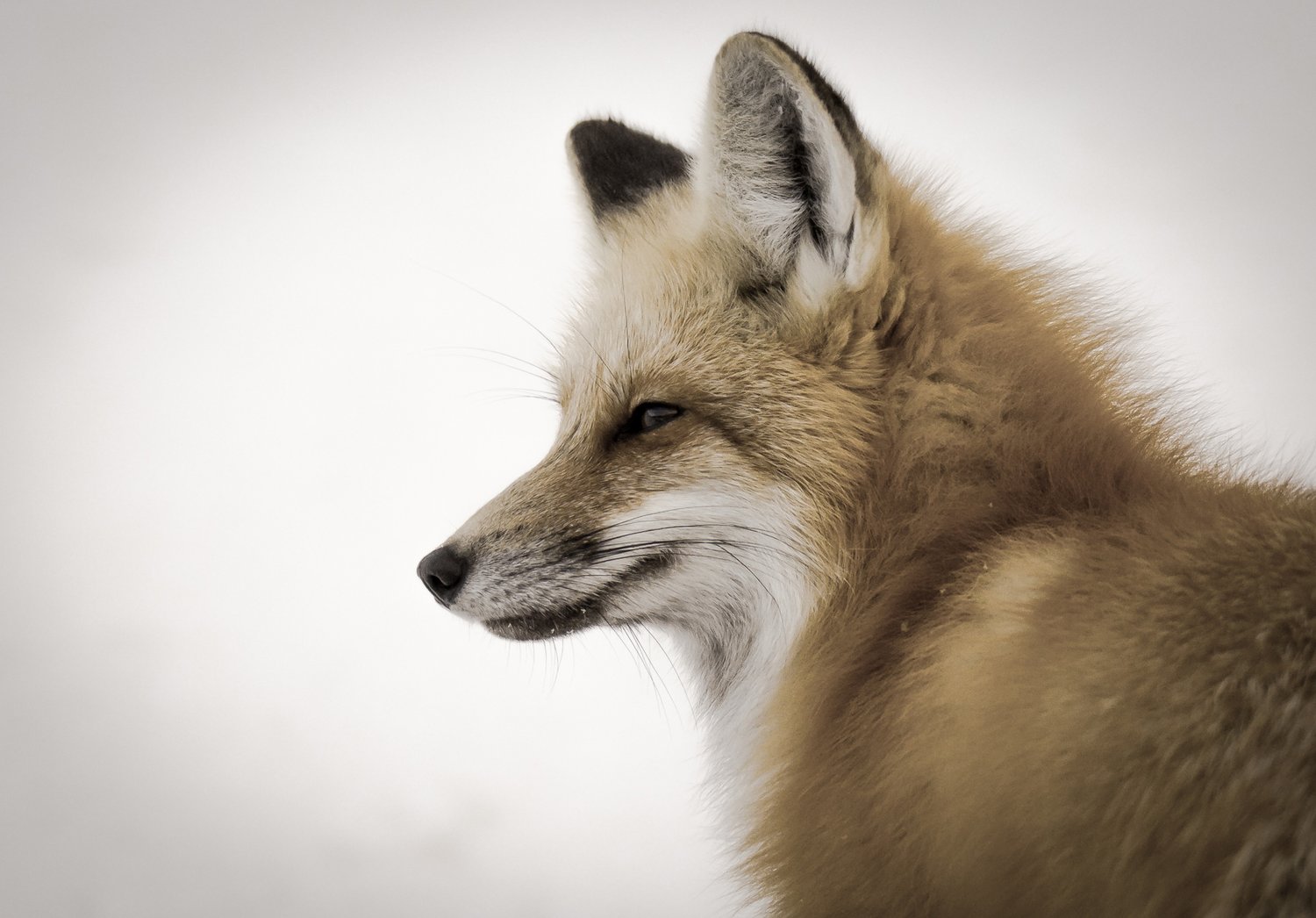
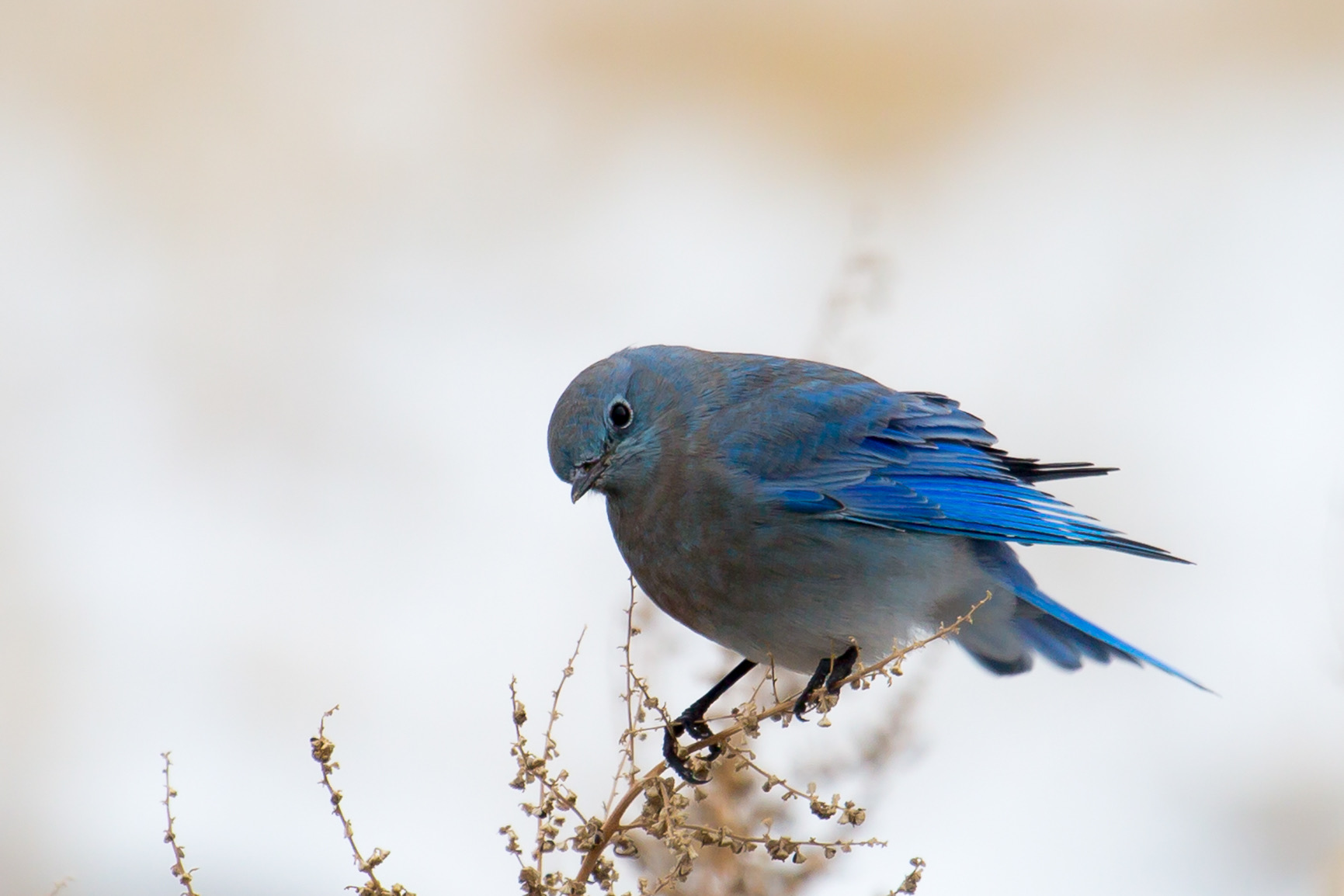
Through the Wilderness invites the reader to follow Brad on his long hike through recovery–into “big nature” where he is both humbled and empowered. The lessons taught by his Crow family and the wisdom of the animals–grizzlies, mountain lions, elk, and birds–all contribute to his healing. A beautiful surrender occurs over time.
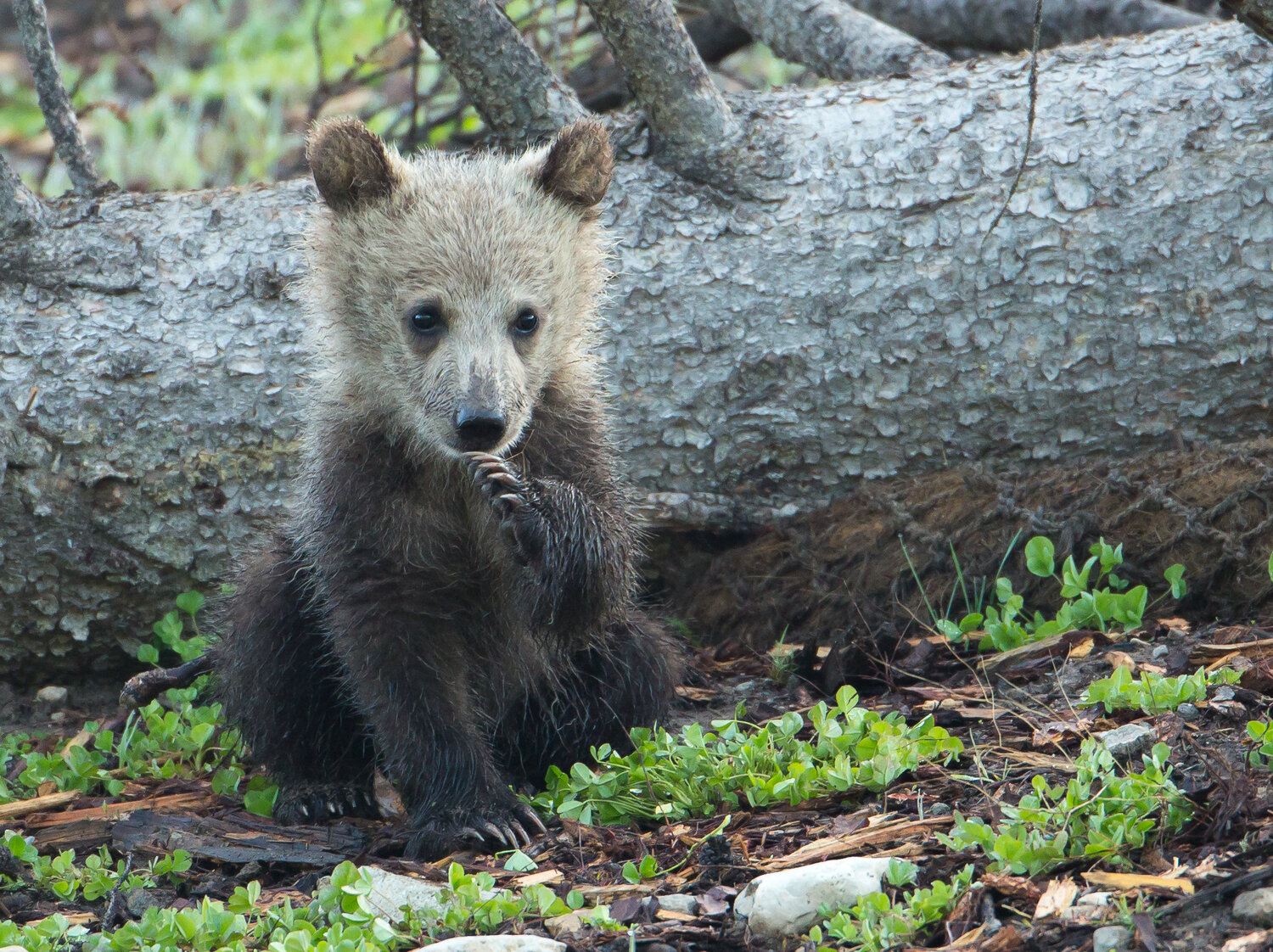
There is a sense of presence, palpable in his photography. Each image provides a portal to deeper intimacy with the wild landscape and the creatures who inhabit it. During his journey, a passion rises within his soul. A passion for the truth. It is a revelation that humans can heal from the most terrible trauma. We can recover from addiction, disconnection, and tragic loss.
Brad’s life remains immersed in big nature. He continues to receive and share its medicine. He creates points of human connection through his book, photography and films. And for those who experience suffering, Brad’s story offers hope of a way through.
As a community health worker, he is committed to passing the spark of hope. His vision includes a world in which we ask each other for help, we support one another in healing, and we look to nature for the wisdom–the medicine.
“My Crow sister taught me that we don't need to hoard anything, especially medicine.
If you have something that can help people, you share that. That is an honor and a duty. That's how we close the hoop. The sacred hoop is broken. We start closing it when we share the medicine. You don't hoard it. You give it away. You help others, and then they go help somebody. And that ripple effect just goes. You know, if trauma can be passed down through generations, then so can healing.”
“You're not going to pass giant milestones every day. It is like a long hike, or climbing a mountain. You just keep focused and just keep going one step at a time. Eventually, you'll look back and see how much progress you've made. But it's not always going to feel amazing. Sometimes it's just work. That’s what keeps you going. If you are doing the right thing, and you know it in your heart and soul, just keep doing it. It will get better. We don’t usually get sick overnight, and we don't get better overnight.”
“We're all biophiliacs. Our bodies, our brains evolved in nature. Houses and cars and mortgages–this is new, as far as we've evolved. I remind people who live in suburbia:
Do you have a city park?
Do you have a spot in your backyard?
Do you have a spot by a river?
Find a place where you can go sit, just breathe, focus and listen to the birds. Release serotonin and all of your happy hormones. Your brain and body want to heal, you just have to get out of the way sometimes.
I mean, I don't care if you just have a deck in a high rise or something, go outside and just sit for a few minutes.
No phone. Digital detox. If you do that repeatedly, I think you will really start to see and feel the benefits.”
Brad counts three important factors on the path toward healing (and staying healthy):
1. Purpose.
2. Connection.
3. Awe.
He says “Everyone needs a purpose, something to do to stay connected. We need to be connected to something bigger than ourselves.”
“My purpose was literally to facilitate my own healing. It was a quest to learn the lessons that come from connection to Mother Earth and to all things–all of my relatives.
And we all need experiences of awe. A sunset can be a passive experience of awe. But I needed big. I needed grizzly bear awe. I needed the vast wilderness, the mountain lion awe.”
Brad hopes to inspire big changes in Montana, a state that consistently leads the nation in alcoholism, depression and suicide.
“And, you know,” he says, “those are the things that Kevin Costner doesn't want to portray about Yellowstone because it's not very cinematic. It's very tragic. It’s a rural ranching lifestyle where men regularly use firearms. Women are twice as likely to attempt suicide and men are twice as likely to complete it. We need to change that.
We live in a place called ‘Paradise’–Paradise Valley–yet we have so many people drinking themselves to death. But the medicine is all around us. It breaks my heart to see people suffer at all, but when they have the medicine all around them, it's really just devastating to watch.”
“I can't change the world,
but I can change my corner of it.”
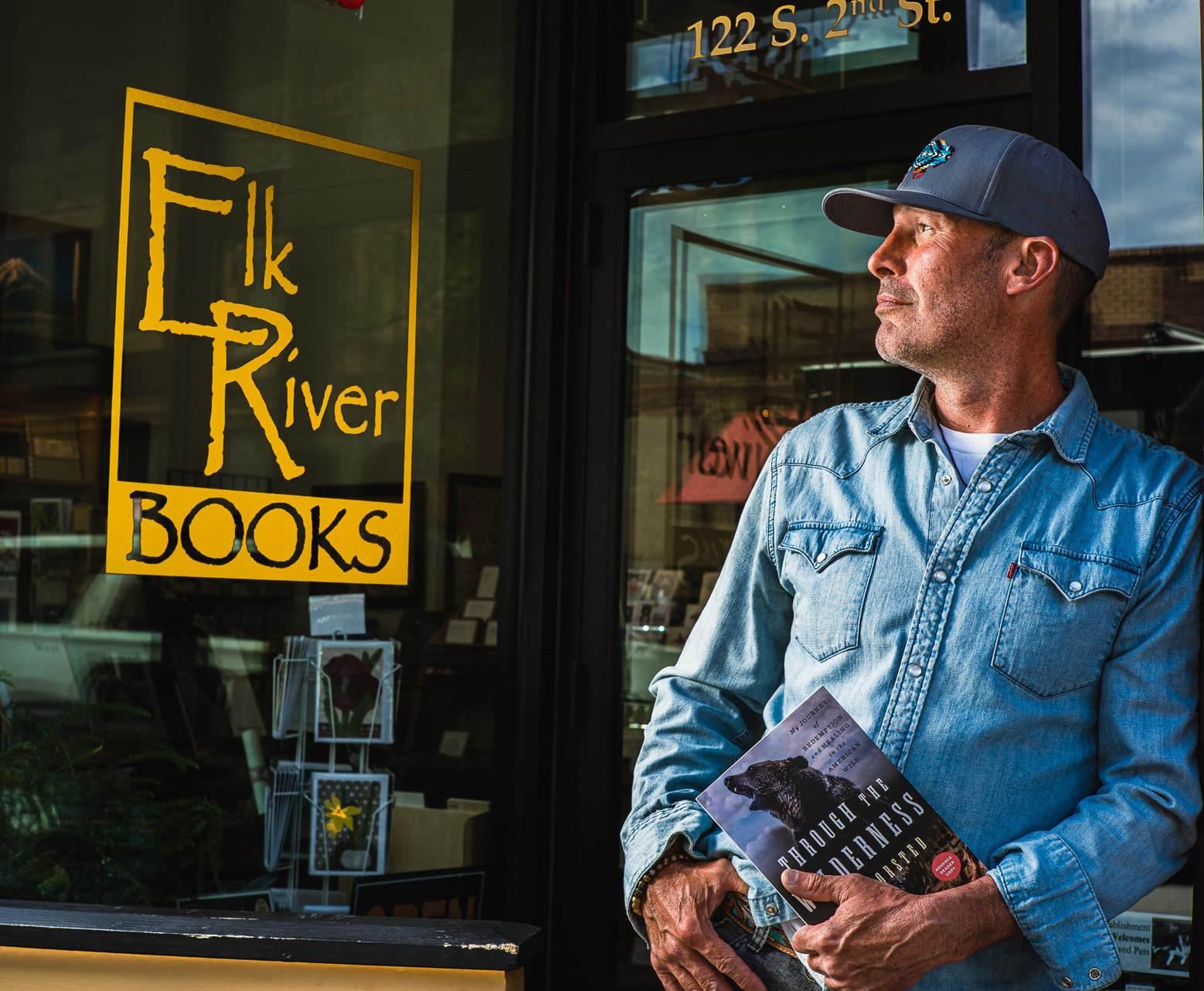
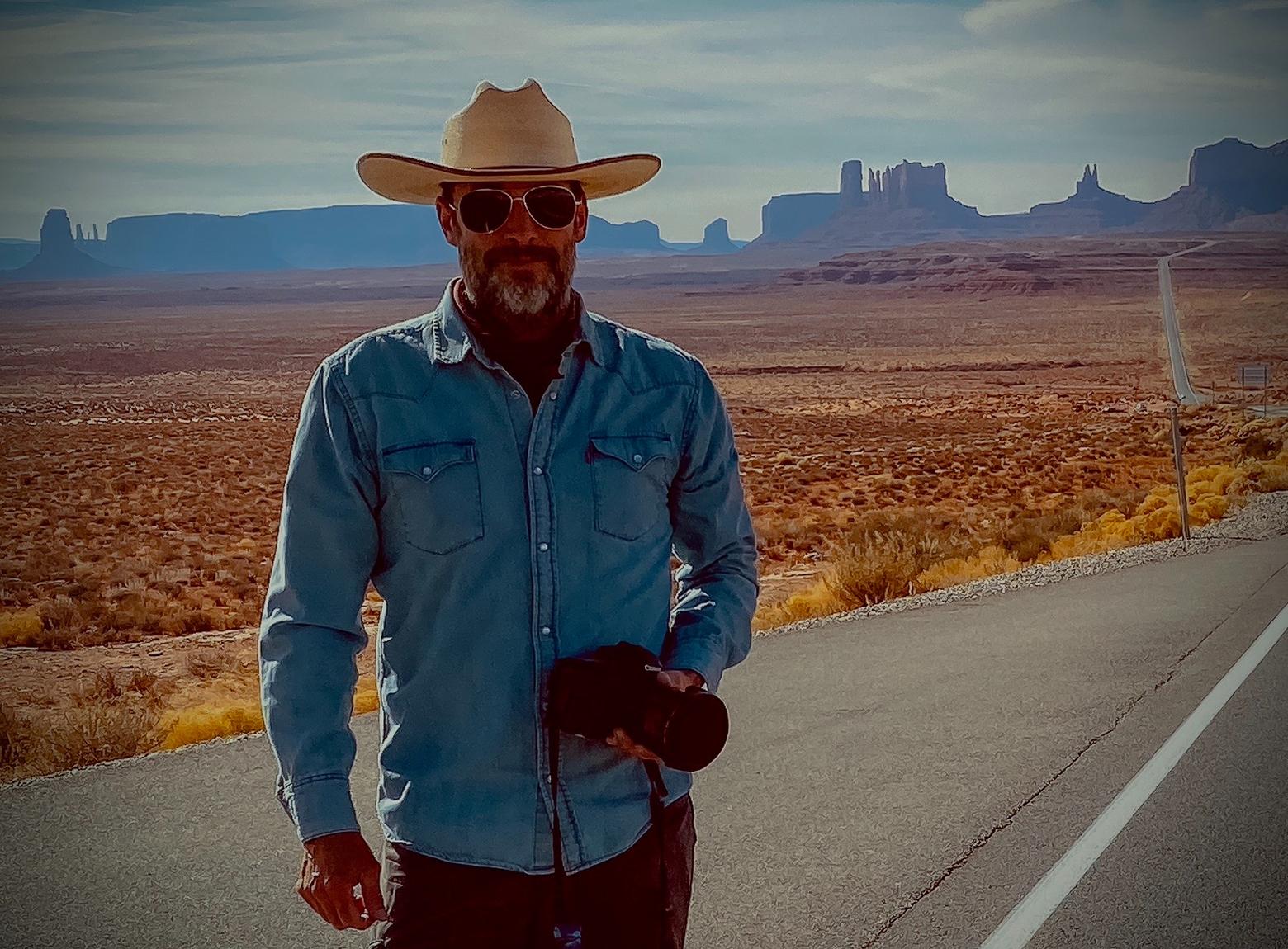
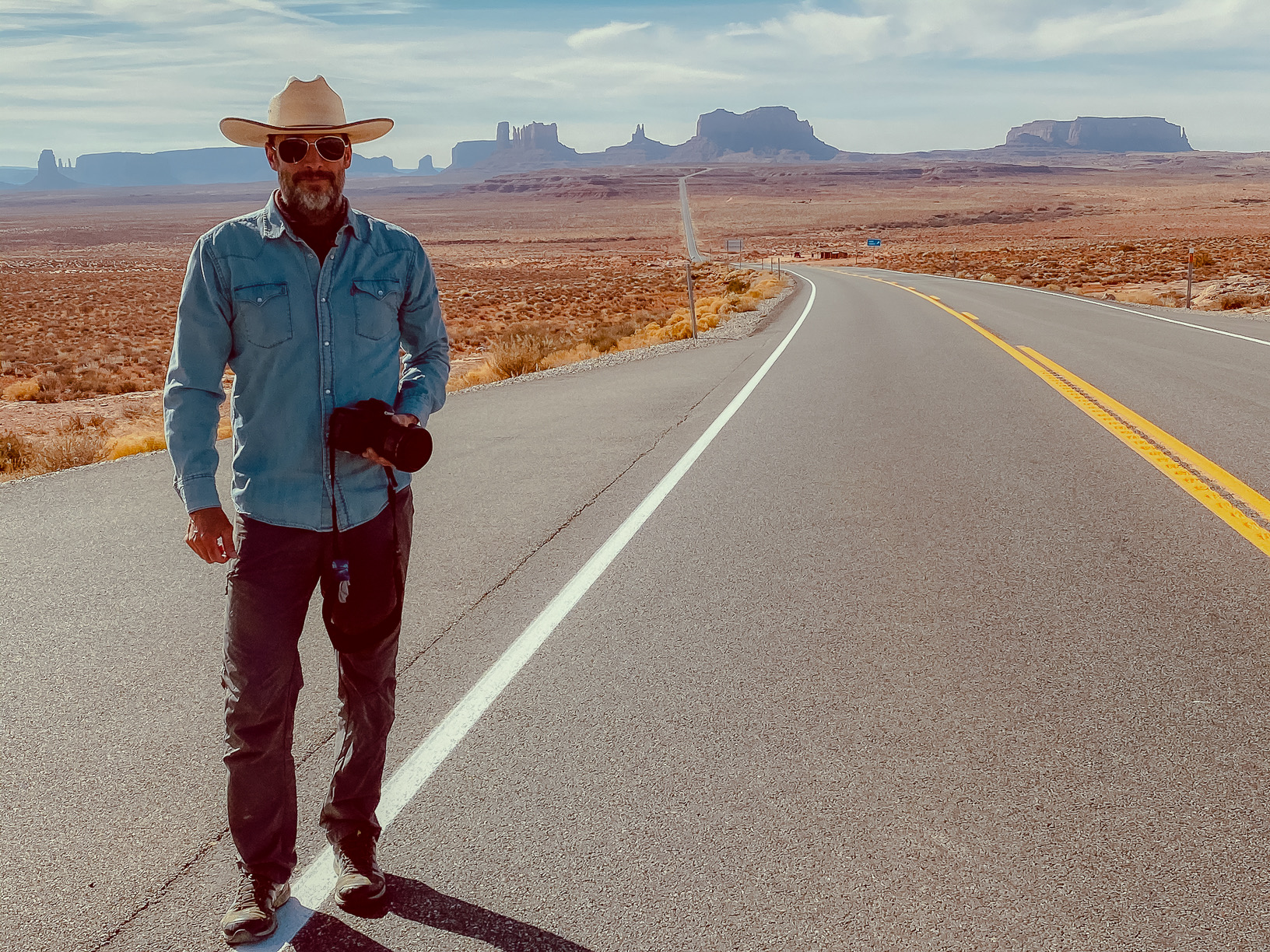
Brad Orsted is an award winning wildlife and conservation filmmaker, photographer, author, speaker and wilderness therapy instructor.
His work has appeared on National Geographic Wild, the BBC, CBS Nature, the Washington Post and the Smithsonian channel