“Names are just a symbol of who we are, but our humanity is made from our stories.”
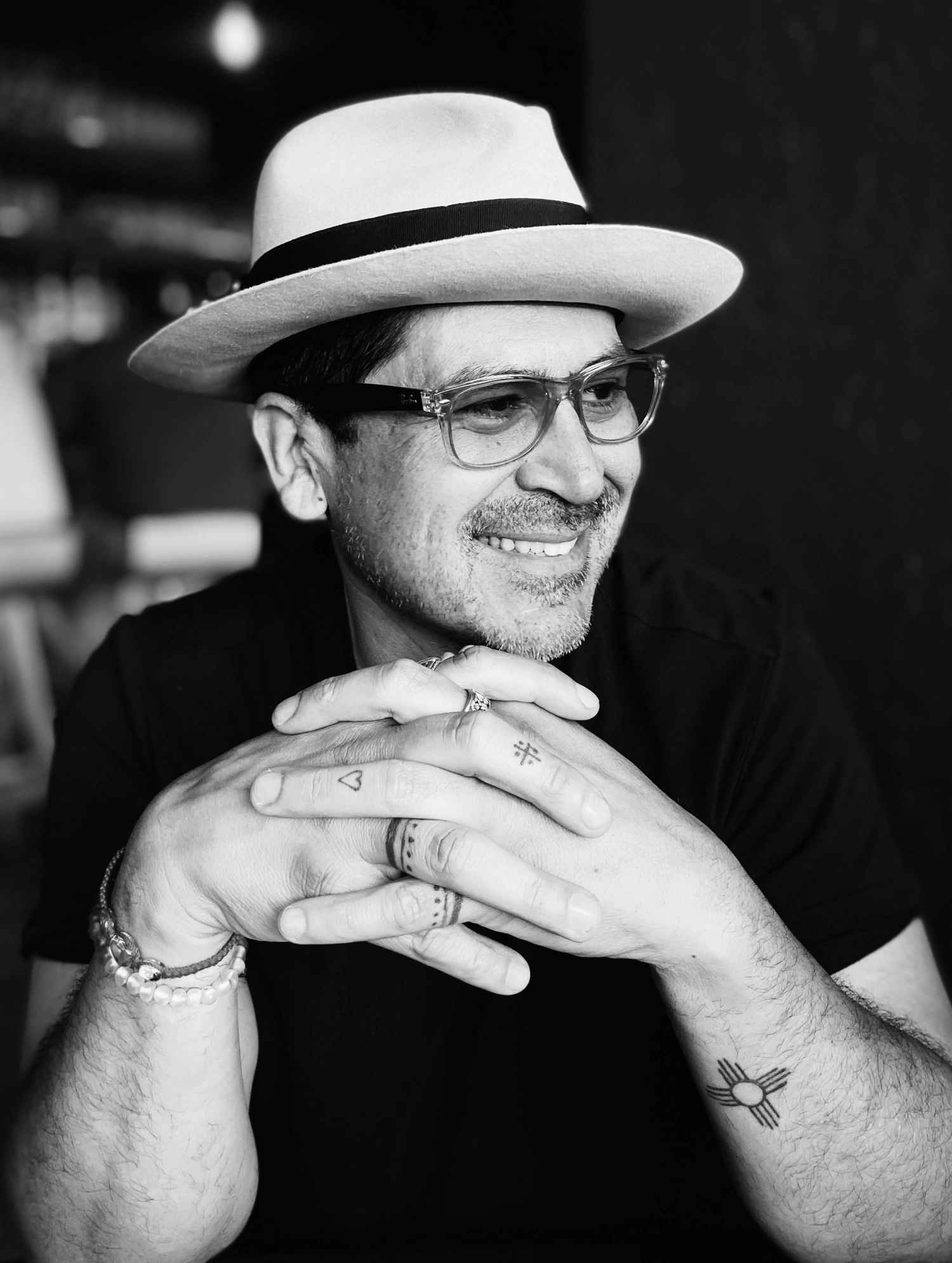
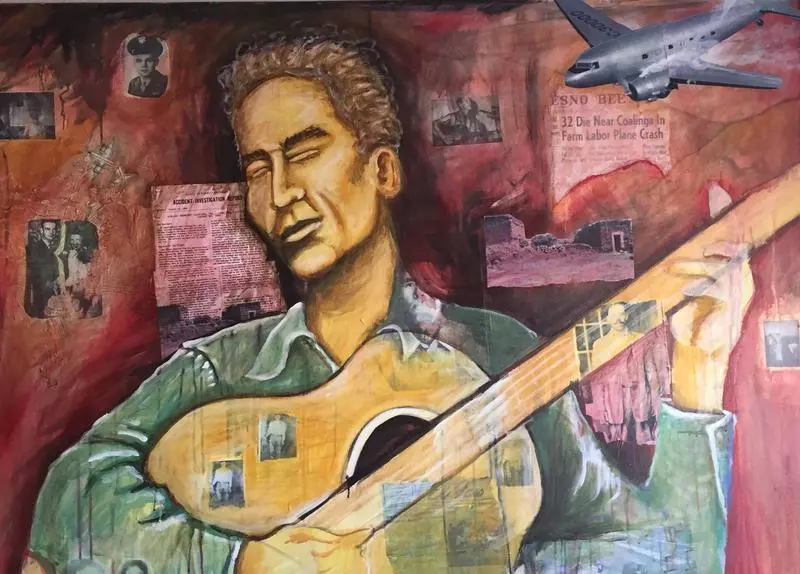
Tim Z. Hernandez is from the agricultural hub of the San Joaquin Valley; his home just a few miles from the site of the plane crash. In 2010, he discovered the mass grave, the largest in California’s history. And from that moment on, Tim dedicated his life to researching and locating the families of the unknown Mexican passengers.
In a talk at Naropa University in Boulder, CO. Tim shares his story:
“I decided that I would go looking for the names,” he says.
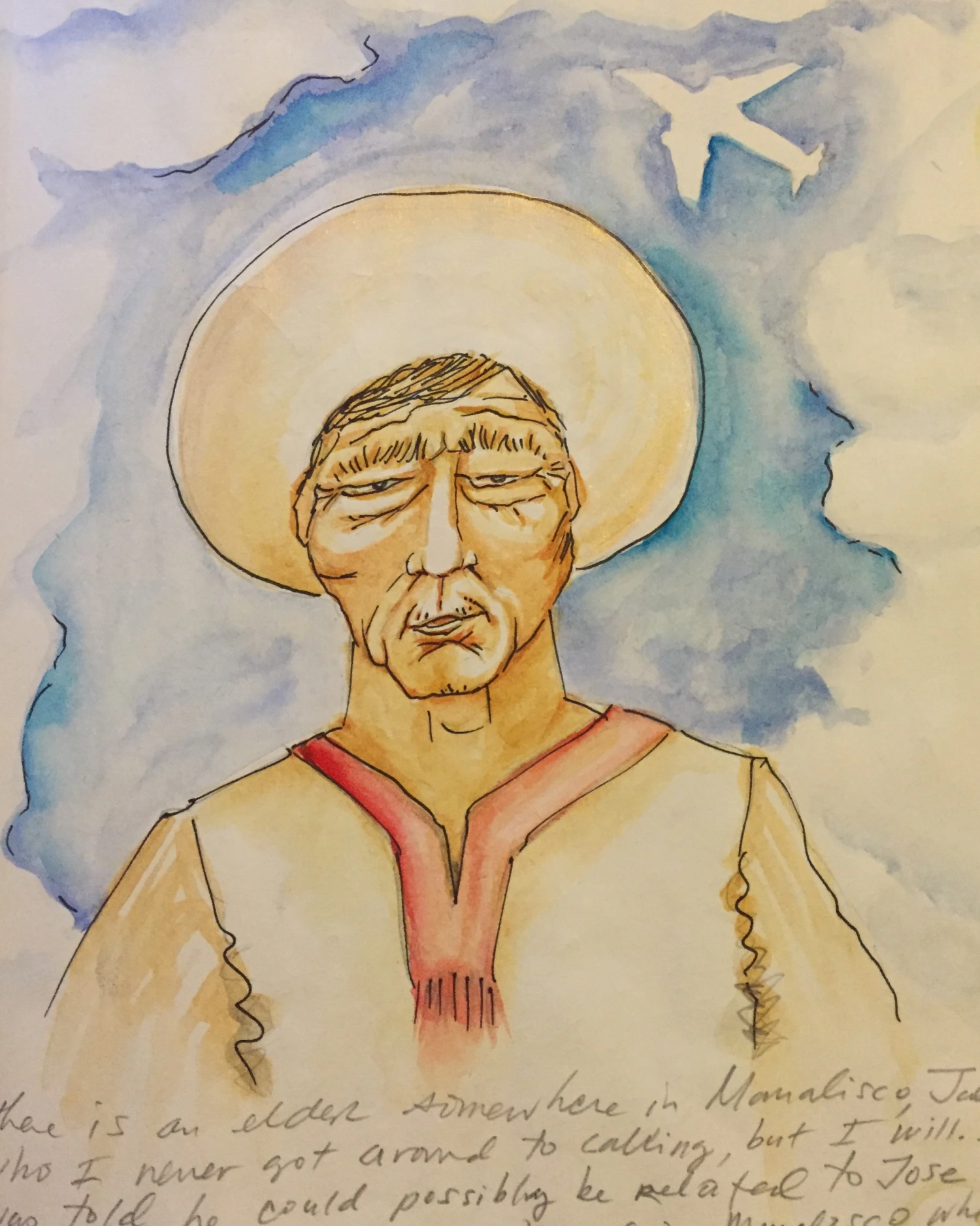
In 2013, he found the real names of the twenty-eight passengers. Then donations from all over the world helped him install a headstone at the burial site.
“But after I found the names, I wasn’t satisfied,” he continues.
“So I began to look for the stories...
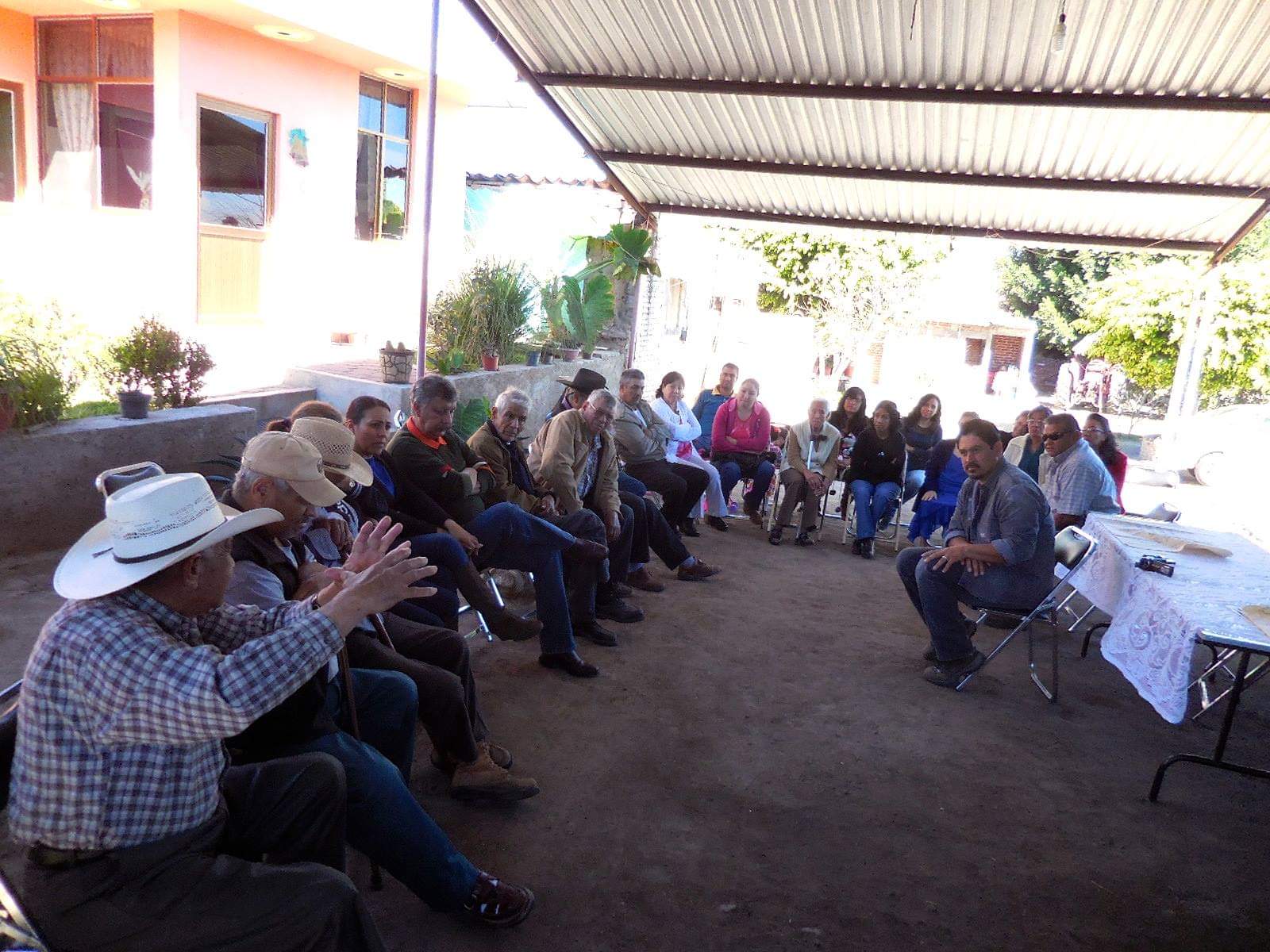
Tim located the first family in Guanajuato. That’s when he says, “Something magical began to happen. As I was asking them questions about who they were, they began to ask themselves questions within their family–questions that they had never asked before. They asked one another, and their elders, about their past memories–old history. They asked about family secrets–things that they didn't want to talk about, once upon a time. Now they were afforded the distance of time to speak. And then something even more magical occurred. I started to find other families. Those families had their own process, but pretty soon they started to talk to one another. And as more families came, the more sharing happened.”
It occurred to Tim that all these families were united, not just by a collective wound, but through the process of collective healing.
“Then the shift occurred,” he says, “I actually didn’t have to look for families anymore. They started to find me.”
In 2018, the momentum of his project made its way to the California Senate. He was invited to hold a formal recognition of the incident, along with the surviving family members of the twenty-eight passengers and the folk singer, Joan Baez. They read each name of the Mexican passengers–out loud–on the Senate floor.
Then, in September 2024, a memorial was installed at the crash site, with all the families invited to attend once again.
“I started to feel like this was a closure…” Tim shares, “like the closing of the final chapter of the story. So I turned to one of the families next to me and I said to them: ‘Does this feel like a closure to you?’
The woman's name was Maria and she said: ’No. It doesn't feel like a closure. It feels like an opening. It feels like this is a new time; a new day for my family.’
The other families echoed that sentiment.
Tim says if he had to distill this experience all down into one sentence it would be this:
“One story shared with another is medicine,
but many stories shared in community is transformation.”
Out beyond ideas of wrongdoing & right-doing, there is a field.
I'll meet you there.
When the soul lies down in that grass,
The world is too full to talk about.
Ideas, language, even the phrase “each other”
Doesn't make any sense.”
- Rumi
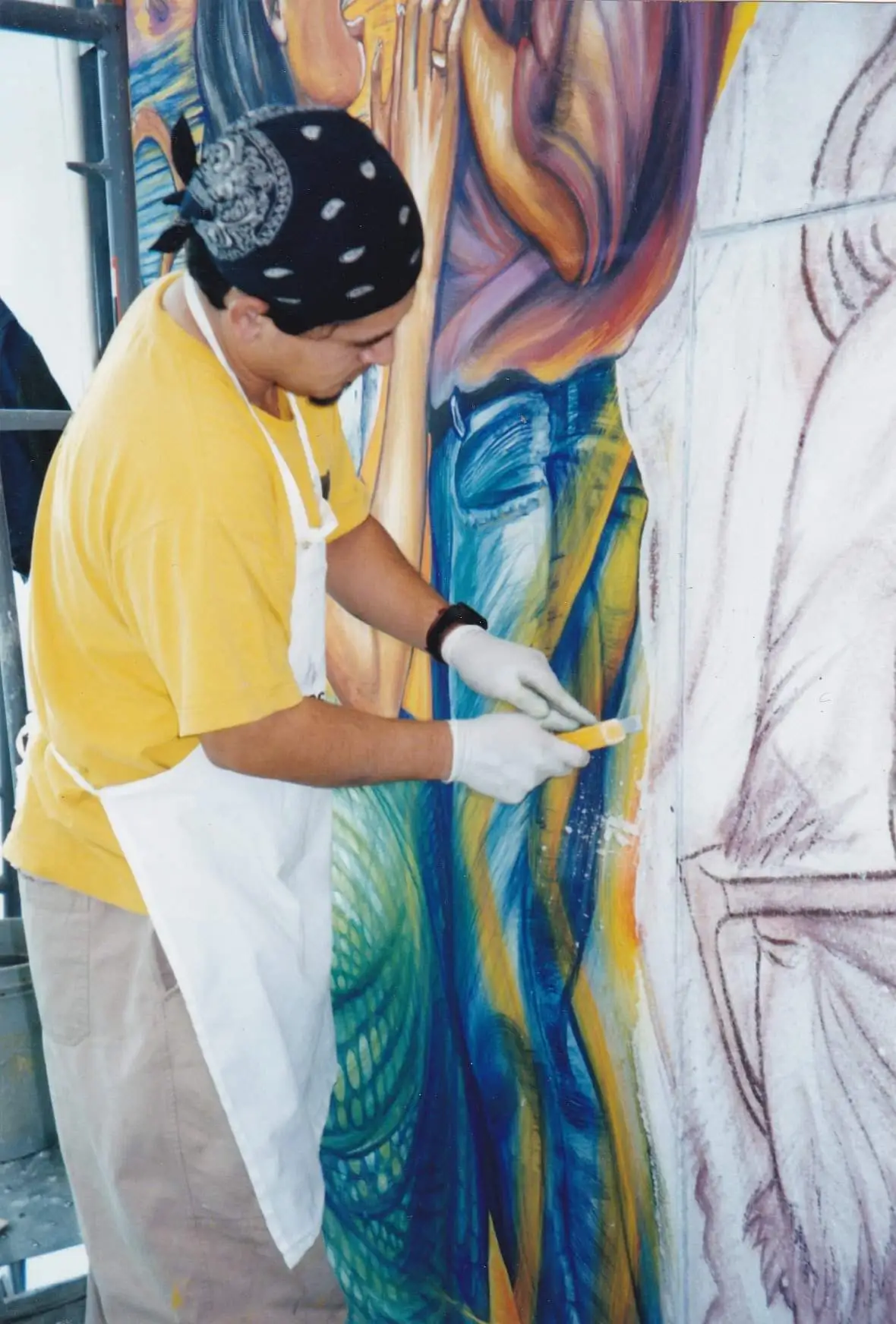
Often the best stories begin at a place where life & death converge. Sometimes tragedy sparks a life forward. This is true for Tim Z. Hernandez. In our recent conversation, he told me the story of when he was 21 years old and tragically lost his uncle–a victim of police violence. At that time, he was already curious about himself and the things that make life tick; but this event spurred an even deeper desire for soul-expression. With art–painting to poetry–Tim sought to answer the question, “Who am I?” It was an internal excavation aimed at peacefully, sustainably finding his way in this world. The written word gave him a means to express the inexpressible, to make tangible what feels intangible. Through pain and searching, he discovered a new sense of hope.
Hope can be an ethereal, intangible experience. In the face of tragedy and confusion, hope can easily be lost. What causes a person to lose hope?
What causes a person to reclaim, sustain, and embody it? For Tim, poetry provides access to a tangible expression of hope–to engage with it, cultivate it and bring it to life in the world. His work as an artist, writer, story-teller and activist, carries a central message:
“There is always hope.”
“If you are a poet, then you see clearly that
there is a cloud floating in the sheet of paper.”
- Thich Nhat Hanh
In his later 20s, Tim discovered contemplative Eastern practices and a book by Thich Nhat Hanh. This was the whispered answer to his heart’s longings. In meditation, he found a way to pull something real from the ether and bring it into his body. He combined mindfulness practices with his art, creating a process for activating hope in the world with this realization: Your body is the vehicle.
Hope is generated through connection. It is the expression of things unspoken.
When you voice your stories–the things that make you who you are–you begin to find a sense of identity. You rekindle your imagination. Your voice–your body–becomes a vessel of hope activation.
Tim reflects that his body has been both the carrier of hope, as well as the storehouse of his confusion. He speaks to the common human experience:
the search for identity, longing for connection, feeling lost, and embracing our individuality:
How our feelings move and inform us.
How our feelings connect us.
How we are something much bigger than an individual person. We connect with this reality when we move from naiveté and impulse into embodied practice.
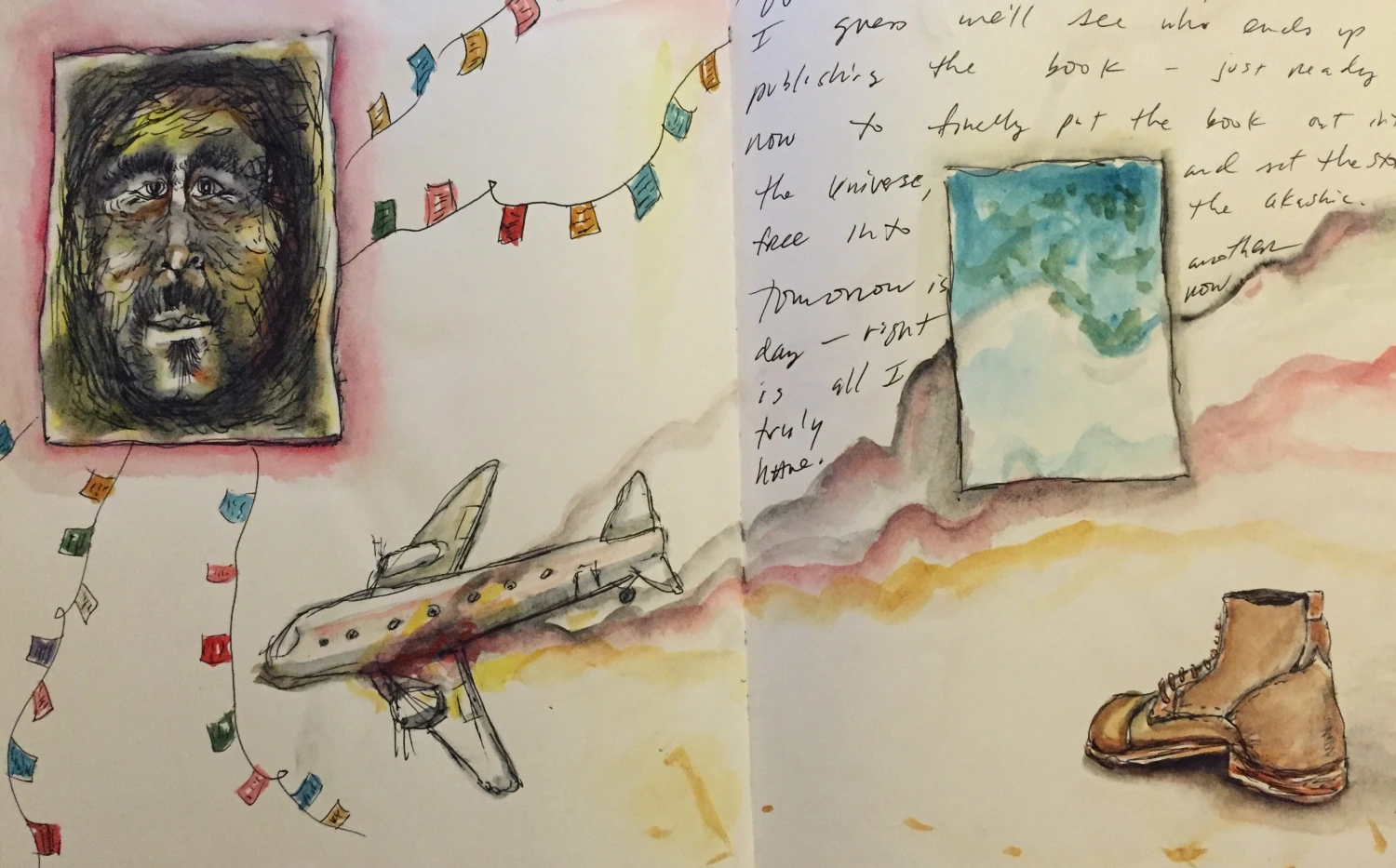
“Hope & Memory have one daughter and her name is Art, and she has built her dwelling far from the desperate field where men hang out their garments upon forked boughs to be banners of battle. O beloved daughter of Hope & Memory, be with me for a while.”
-William Butler Yeats
Hope is much more than a singular experience. The poet W.B. Yeats said that hope is part of a family–a family of multiple realities that all work together. Hope, memory, art, imagination, & identity. When engaged and honored through our own lived experience, these family members create a dynamic reality from which we can embrace the wonder of life.
When we lose imagination, we also lose hope. When our memories are filled with pain & suffering, all we can see in front of us is more of the same. We lose touch with who we truly are and hope becomes a frail thing. But with contemplative practice, this family of hope is held together. It finds a home within our bodies and gives us creative expression. It gives us voice.
Our poetry is meant to be spoken, not simply read or contemplated. When art moves through us–in and out of us–hope moves through the world as embodied reality. We need this embodied sense of hope in these chaotic times. We yearn for deep connection–one that meets each other with open curiosity and a willingness to listen.
Tim advocates for connecting with people you’ve never considered before. The most amazing things can happen when you do. Allow chance encounters and exchanges to remind you that our similarities are greater than our differences.
In a world of oppression, the game of survival compresses us into much smaller versions of ourselves. It can disempower us. Tim talks freely about how the overt and covert dynamics of racism unconsciously influenced his own body, making him play small to feel safe. The flow of art & imagination becomes restricted as our bodies become restricted. But healing is accessible when you remember who you are as a creative being. Look up at the stars. Breathe deeper. Allow space for your imagination. Bring that space into the world. Healing enables wonder, connection and beauty to thrive again.
We need each other to break the shackles of oppression.
We need each other to remember to open our eyes.
Engage in contemplative practice, allow your soul’s full expression, and you enter a new realm. There, you find reciprocity. You become open to mystery, community and the power of your story. You see, feel, hear, and thus act differently.
Tim Z. Hernandes is committed to finding a wholeness of self through which he can harness and harbor transformation. He is actively creating a world where we honor one another and listen with an open heart. He invites you to do the same. He advocates living a big life–challenging the things within you that compress your own soul. Celebrate the beauty available to you when you make space for it. Remember your voice–your unique way of expressing the inexpressible. Find your unique gifts. How do you make tangible what feels intangible? What are the tragedies that continue to spark your life forward? ...Because through all your pain and searching your life is, ultimately, an invitation to hope.