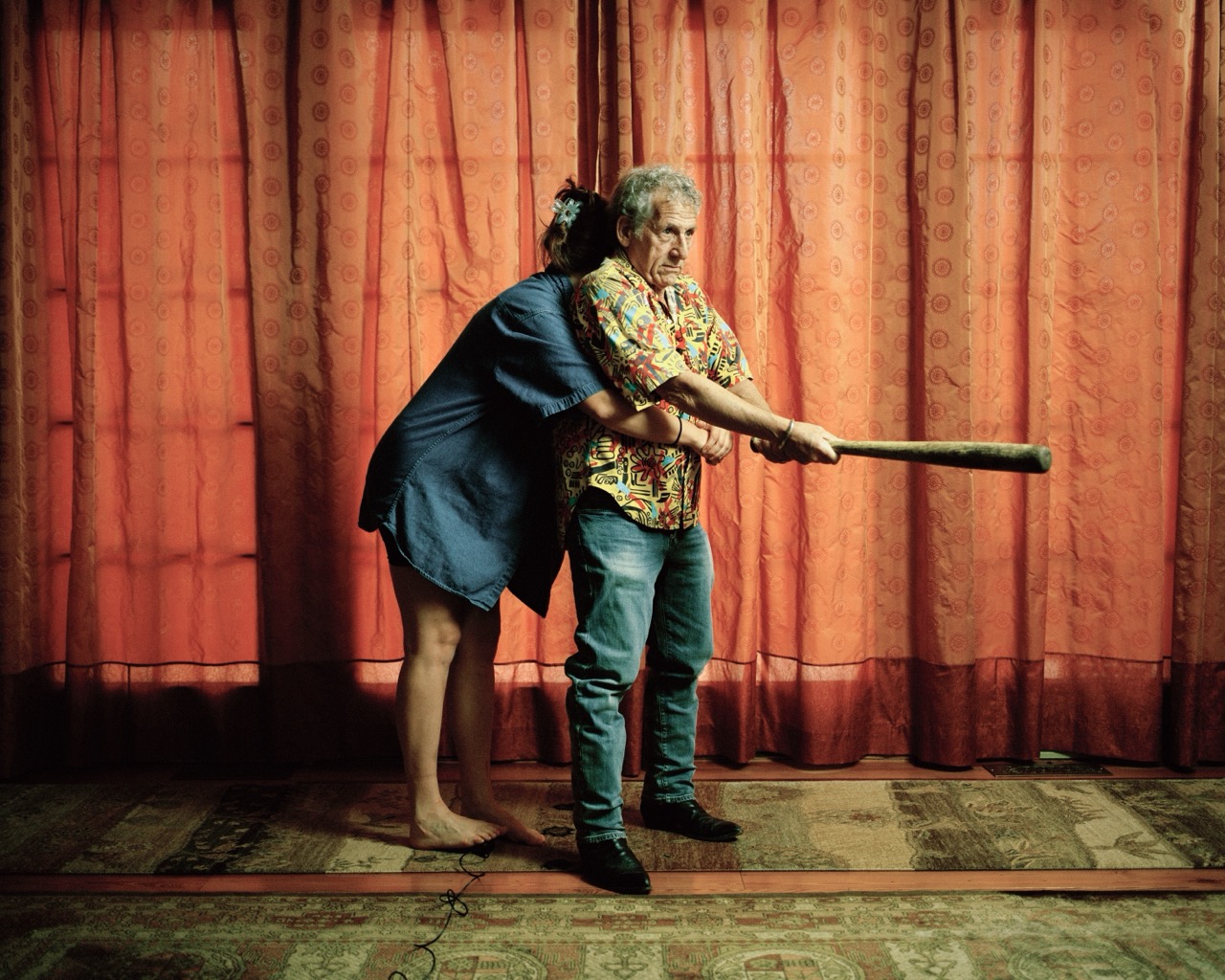

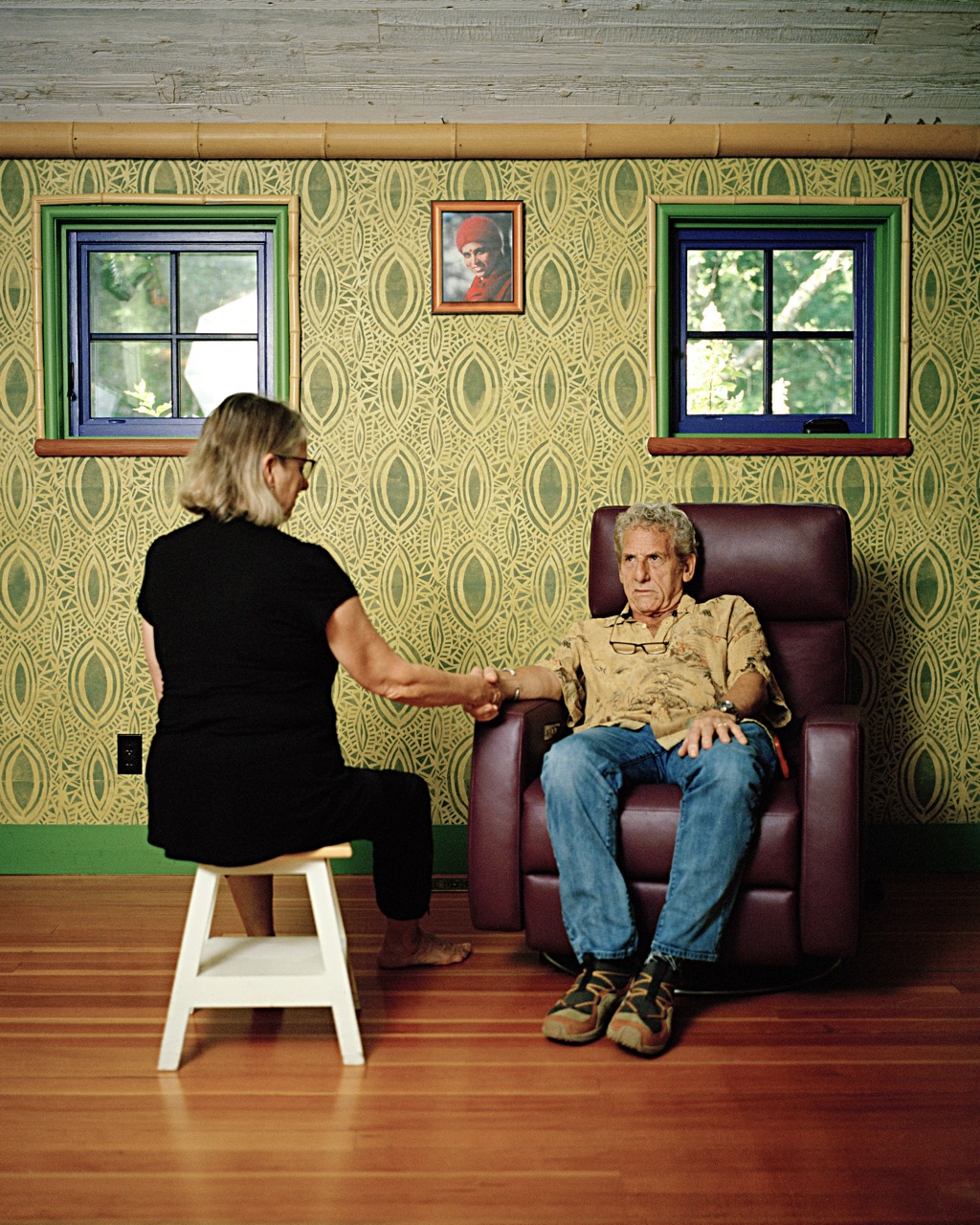
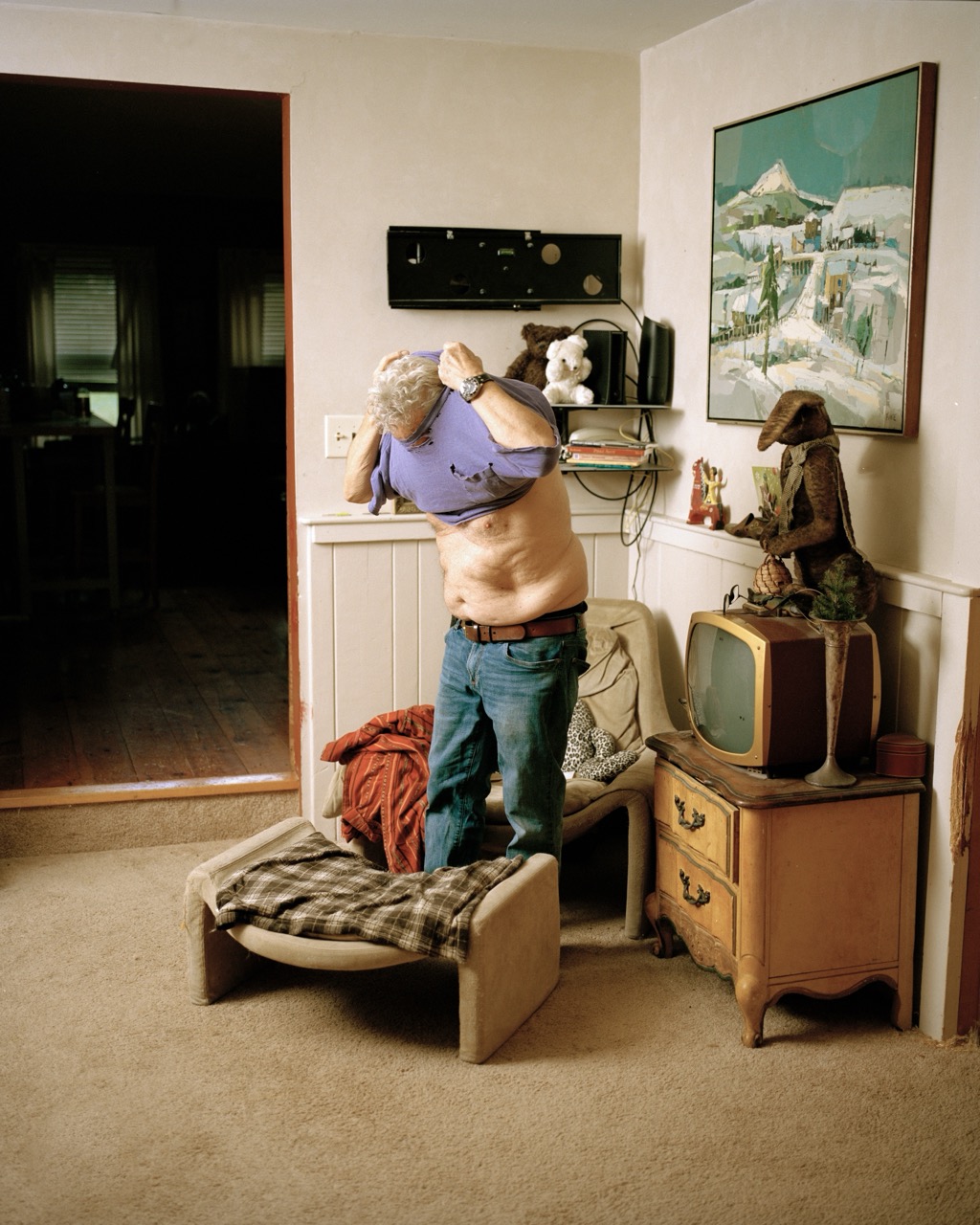
Unconscious narratives about guilt, pressure, and regret began to emerge out of each creative act.
Larry and I talked on the phone before ever actually meeting. Strange coincidences kept emerging in our conversations. He and my dad grew up in the same place, followed the same guru in their spiritual practices, and both moved to Woodstock, New York, away from their Jewish upbringings. After speaking for some time, he told me the story of his 32 year old son's fatal overdose that happened only a few years earlier. He spoke with emotion and was so expressive. The anger and confusion he felt about losing his son was bursting with every word. I revealed to him that my dad also lost a son to heroin. My half-brother died in 2009, but Dad was rarely expressive when talking about the loss. As a young adult, I was left alone to figure out what his death meant and to navigate becoming the “redemption child” in my father’s eyes. Larry’s willingness to be in pain awakened a compassionate response that began to lift the pressure I continued to put on myself even after Dad’s death.
Why does opioid addiction continue to kill people in our small idyllic town? After a long pause between us, no answers arrived. That empty space of lacking any sort of answer for our shared grief sparked new life. We decided to meet and make pictures together for a year. Travelling between both of our homes, our creative collaboration in identifying memories, objects, gestures, and environments related to our experiences of grief became a way to channel dormant emotions. Unconscious narratives about guilt, pressure, and regret began to emerge out of each creative act. The photograph became a catalyst for forward motion.
Larry and I built a collaborative relationship based on a common understanding of our grief. He didn't fill the hole that my father's death left behind, but he allowed me to talk about the pain of losing a parent and a sibling. The work we made grew out of the process of spending time together and exploring what it means to find meaningful connection in strangers.

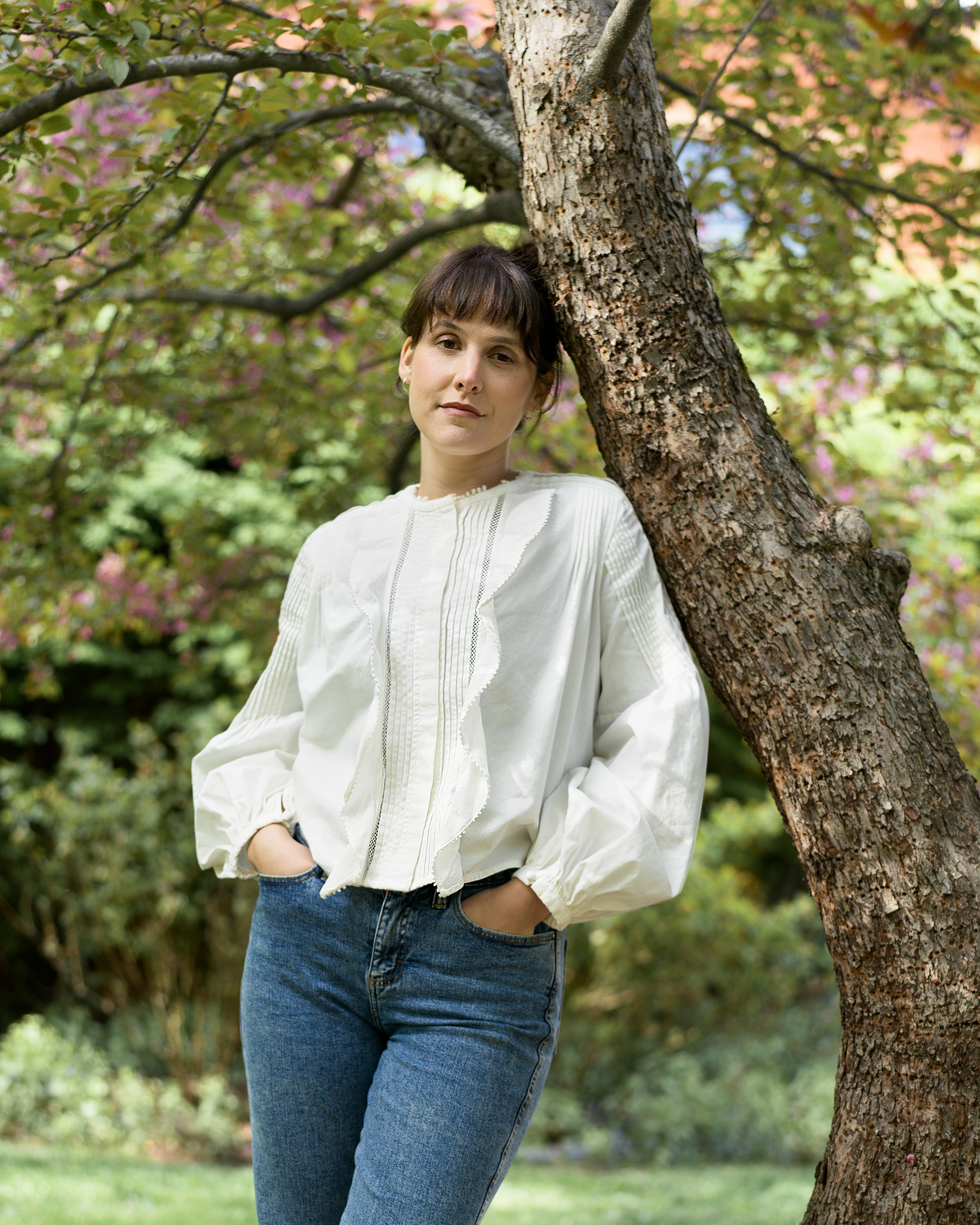
Eliza McKenna (b. 1997, Woodstock, NY) is an artist, mystic, and educator based in the mountains of Colorado. Her work moves between photography, writing, and experimental materials to explore grief, memory, and consciousness within and beyond the body. She is interested in the image’s potential to uncover our thoughts, feelings unconscious beliefs and our connection to the Divine.
McKenna works within an idealist paradigm in which consciousness exists as the underlying reality of all physical form. Her practice is rooted in a desire to build visual systems for organizing her relationship to this fundamental Source energy. Drawing from Buddhism, philosophy, and mystical systems, she investigates what remains after death, how presence and absence manifest in form, and her own perception.
Historically making photographs with strangers she meets via the internet, McKenna uses objects, charged domestic environments, intentional gesture, and color found within the home to bring grief out of the shadows and into public consciousness.
Photography often serves as a starting point of investigation, but she moves beyond traditional representation into layered surfaces, objects, and text that invite viewers tointeract and bring their unique perception to the image. She holds a BA in Film Studies from Wesleyan University and an MFA in Photography from Pratt Institute. Her work has grown through dialogue with both intellectual and mystical traditions, situating her within a a lineage of artists seeking to bring to light the ways art can expand human perception.