Every misstep is another chance to pivot, to try something new. There’s an alchemy in it, a kind of magic in turning struggle into grace.
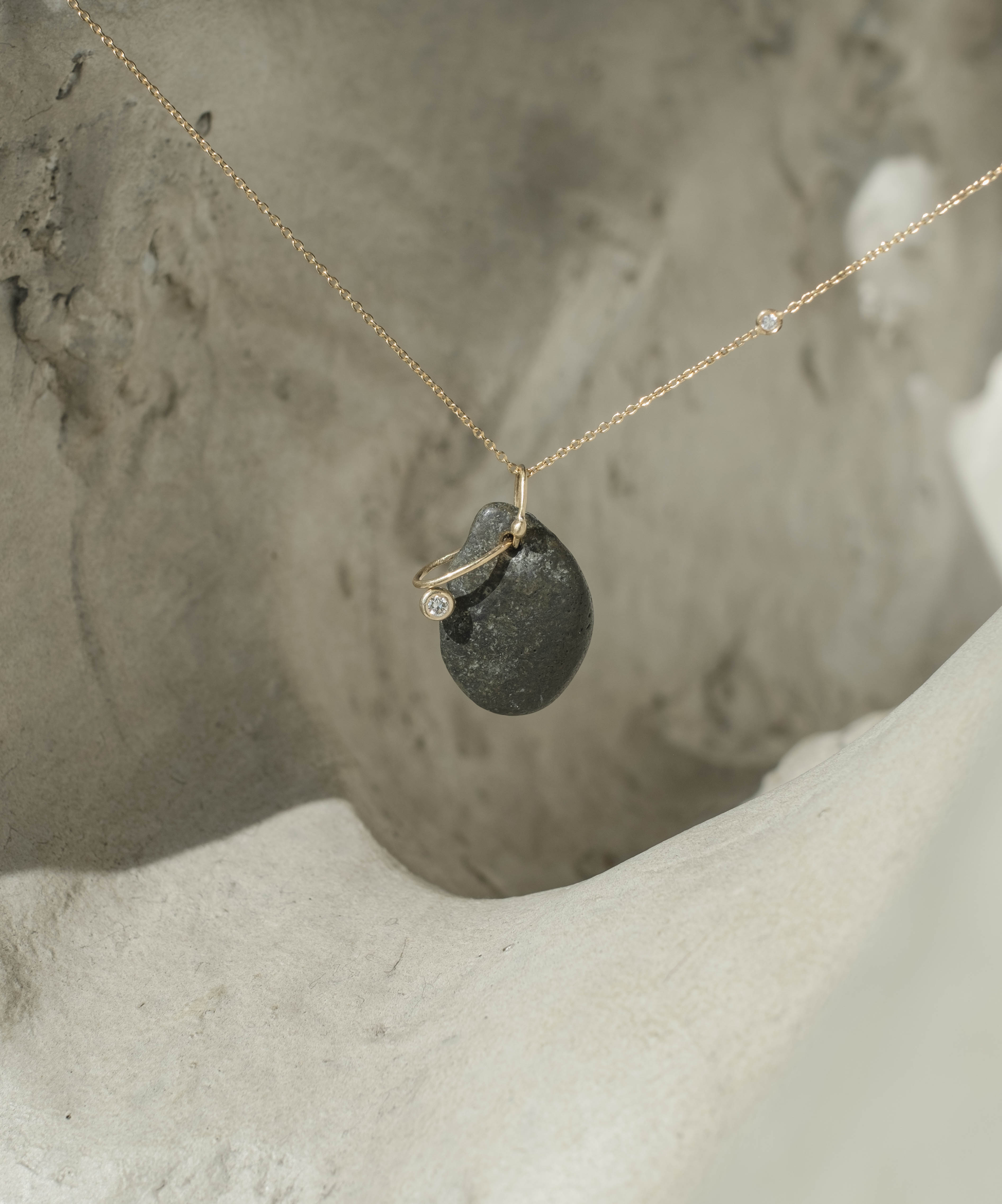
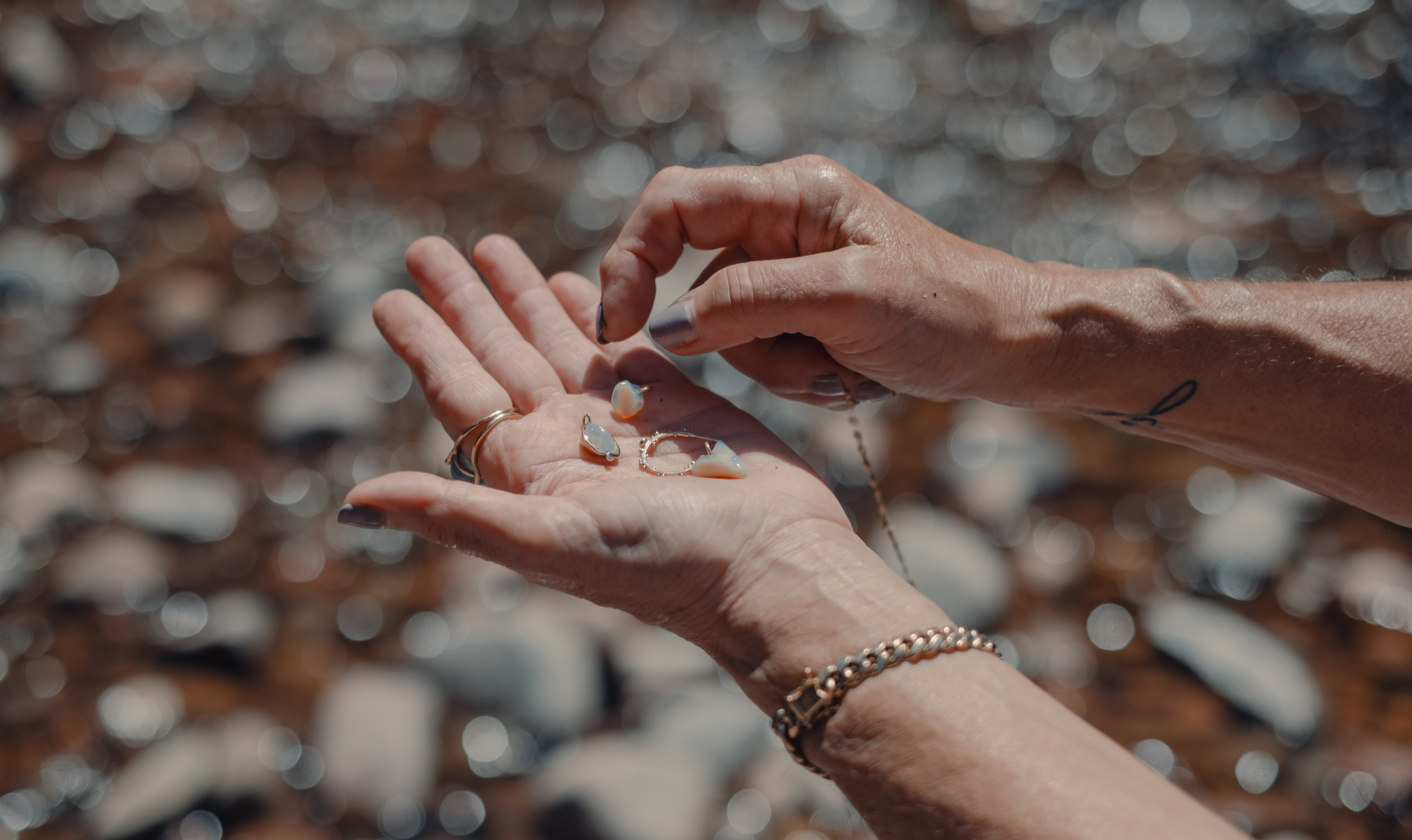
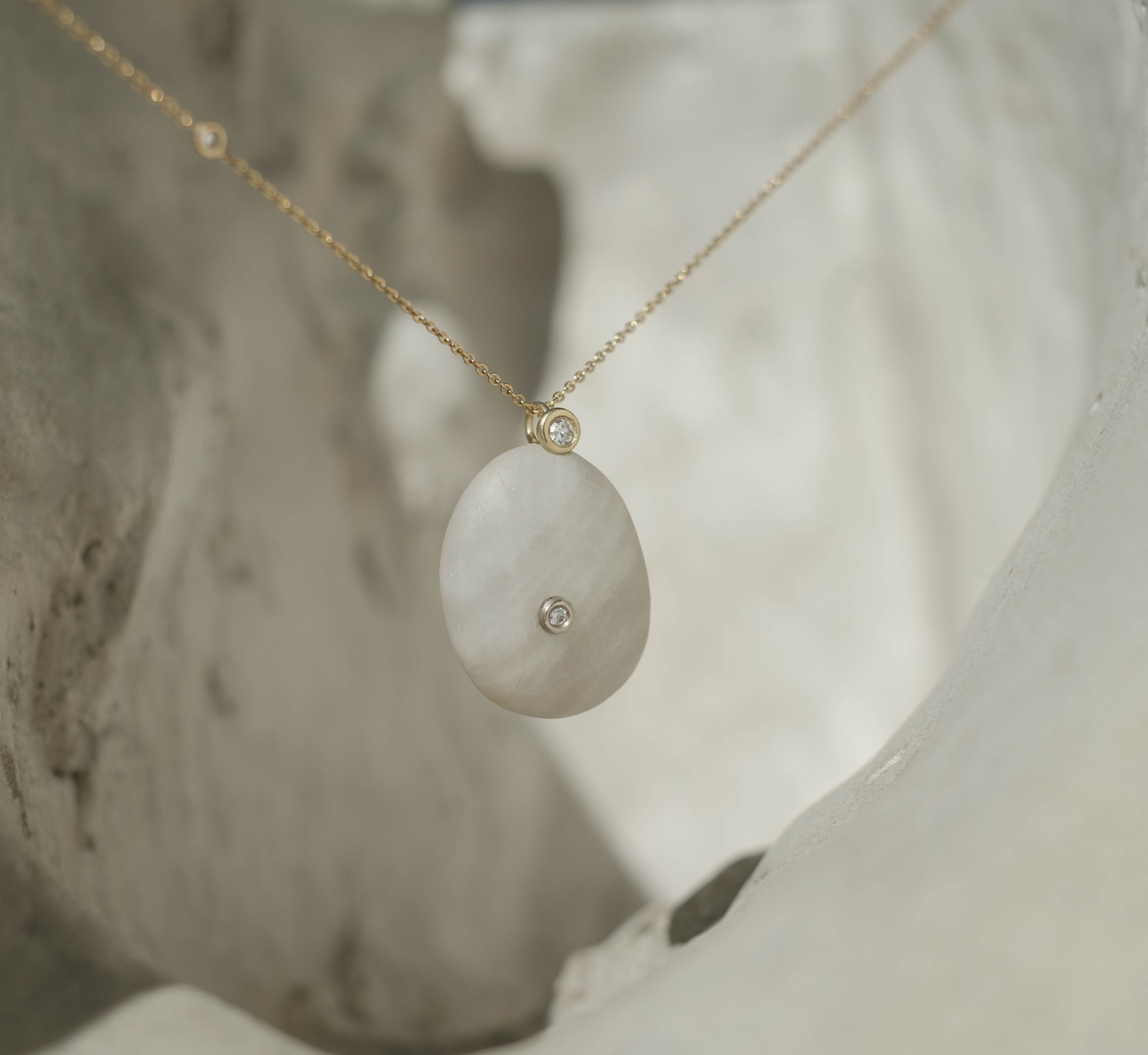
I started designing jewelry as an experiment, a way to channel my creativity into something tangible. What began as a hobby quickly became a full-fledged business. Each piece I make is a little piece of myself—a coalescing of kinetic energy into something wearable. When I design jewelry, I don’t just make something beautiful. There's an integration of movement and the way the light catches, a resonant moment captured in time. It’s an alchemical process of creation, of transforming raw materials into the refined.
I’ve never been someone to linger in the present, to settle deeply into where I am. From an early age, I was hungry for what came next. Curiosity was my compass and impulsivity my guide. I was always investigating, always wondering: What’s around the corner? What’s waiting just beyond today? The present didn’t hold me as tightly as the pull of the future. I felt it in my bones, this constant itch to evolve, to transform, to shed what was behind me and reach for what was ahead. It was the act of becoming, of always transitioning, that felt most like home.
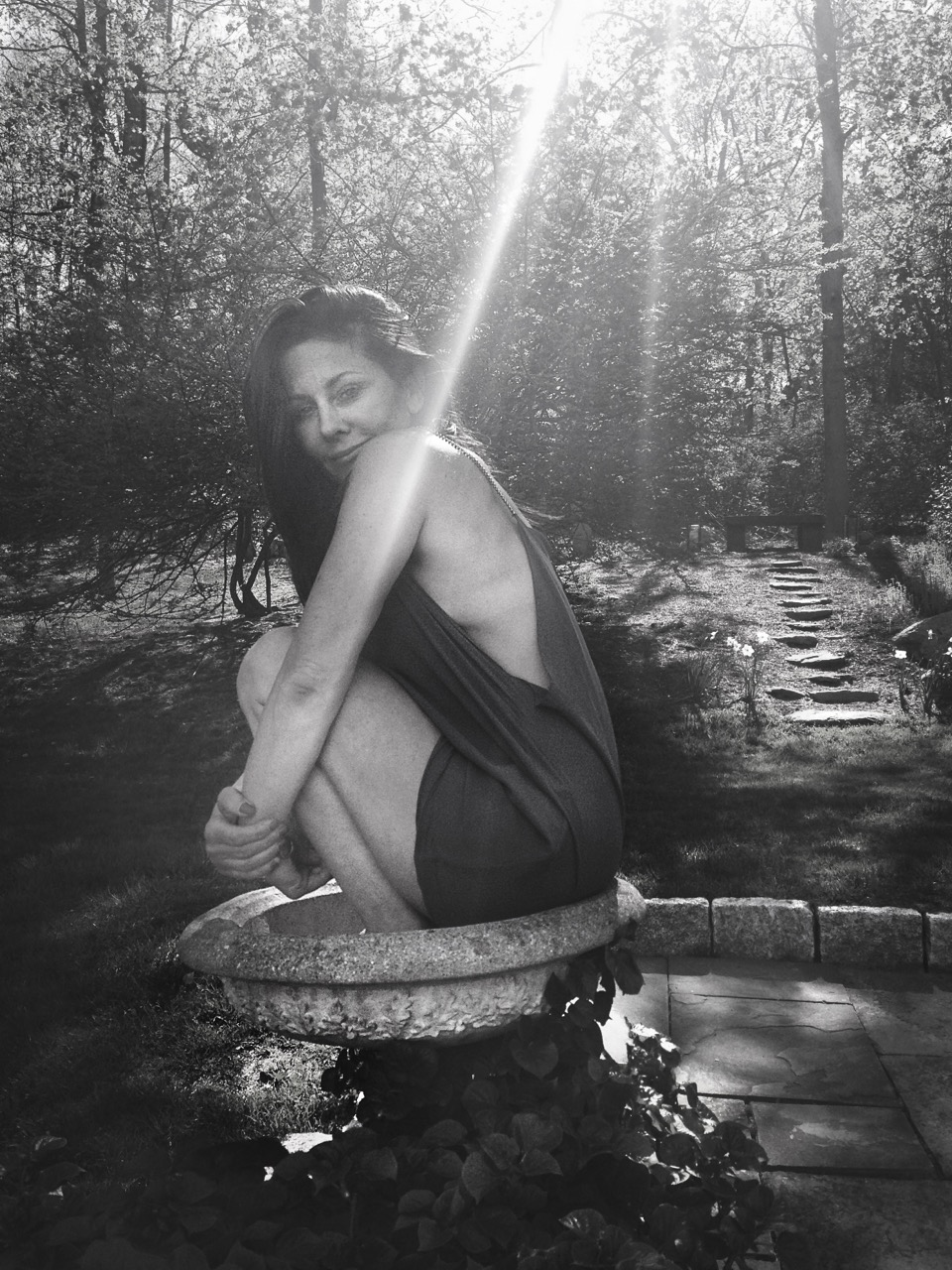
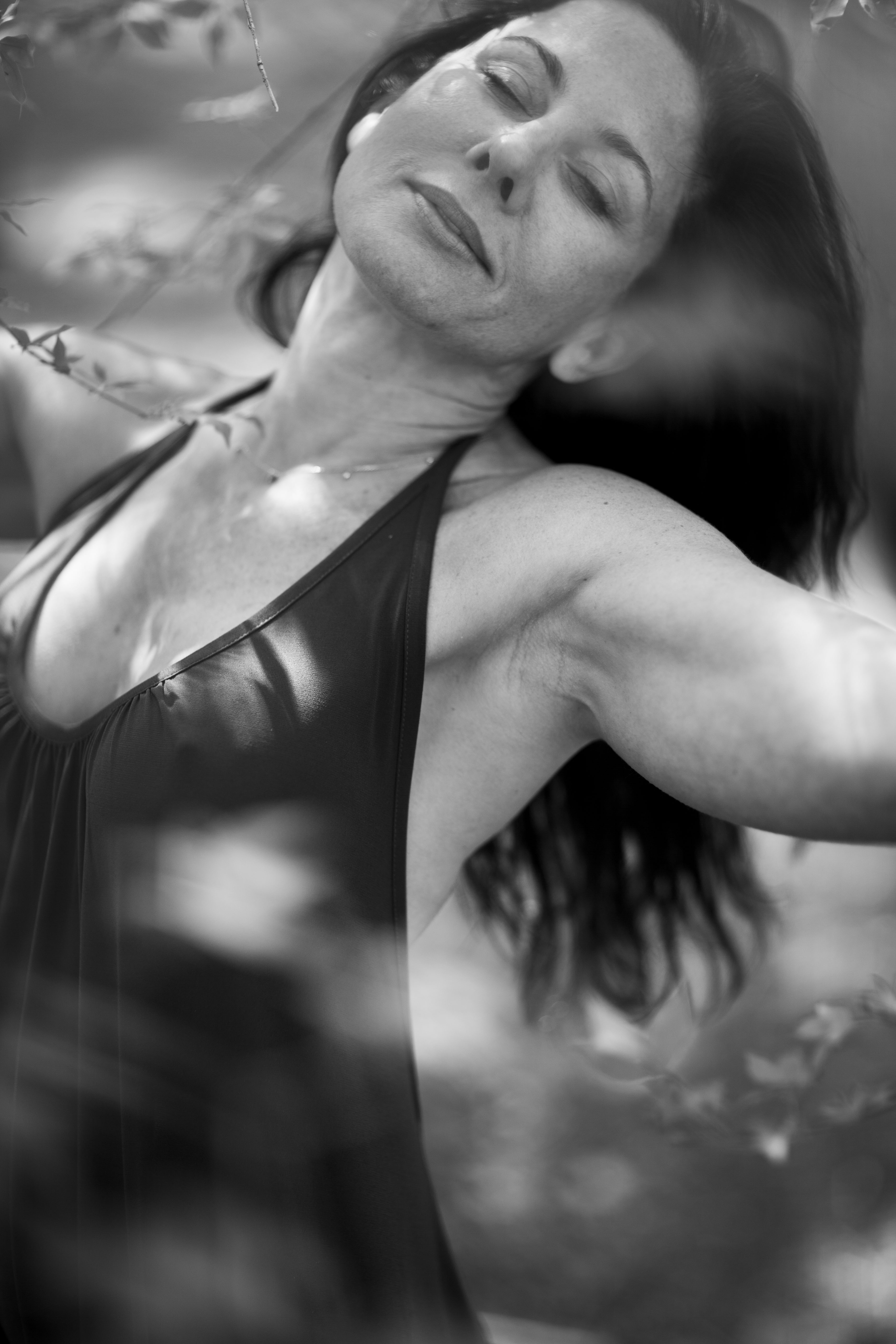
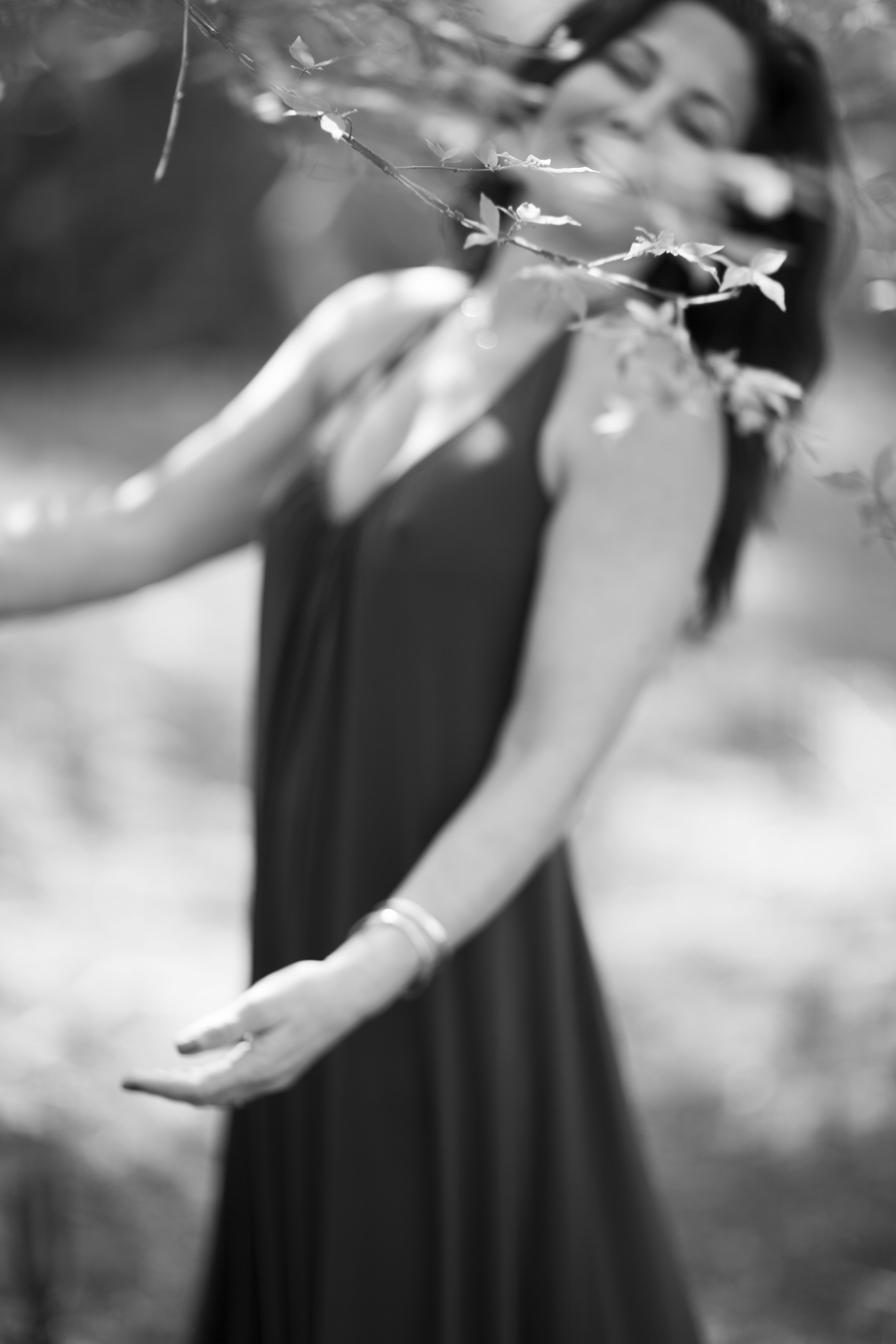
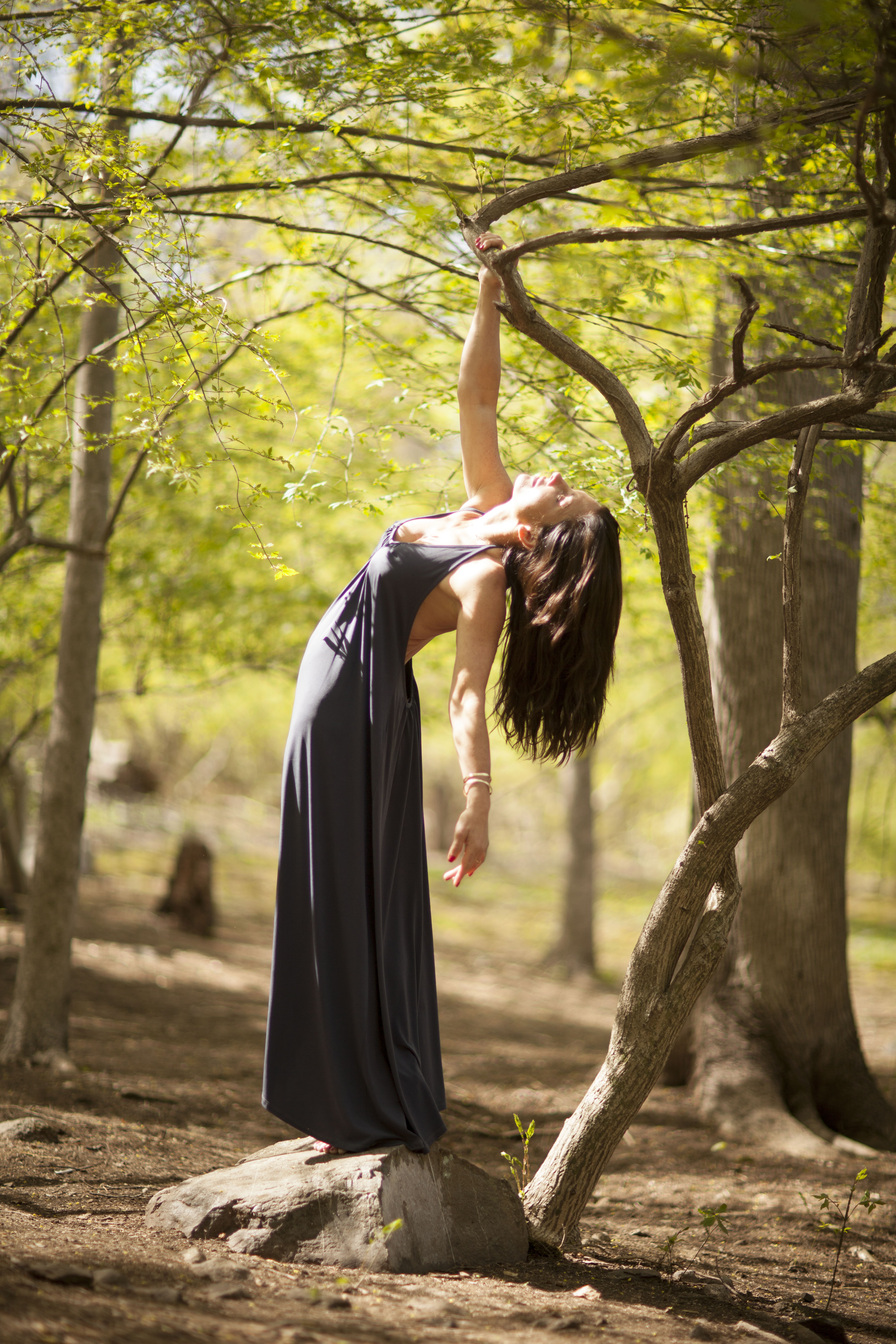
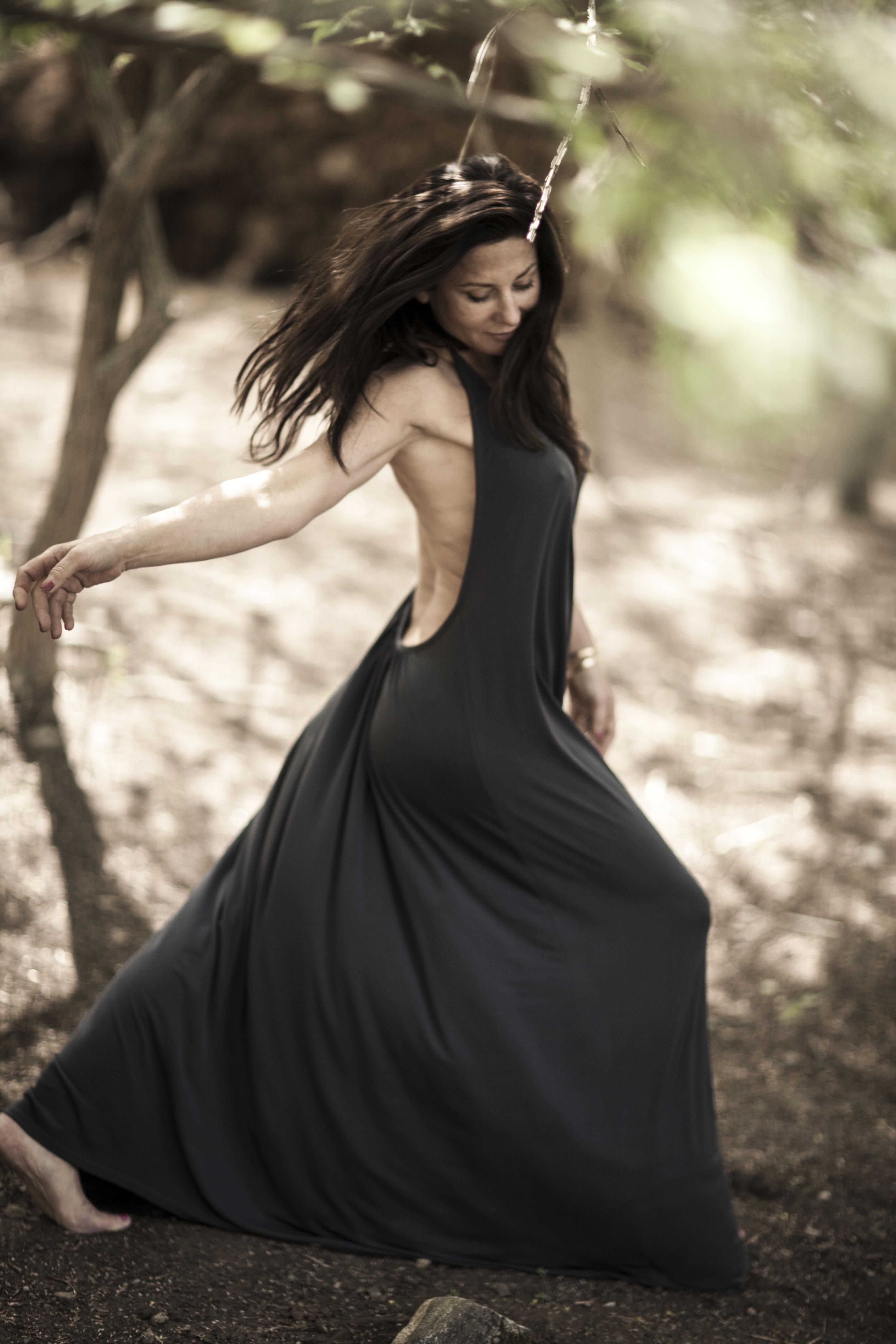
I can’t say when the restlessness began, but I suspect it had something to do with my training in dance. Dance teaches you to be aware of yourself in space—always transitioning, always changing. The moment you’re in is fleeting. You are a body in motion, and you never truly arrive; you’re always on your way to something else. It’s a beautiful, exhausting and humbling practice. When I transitioned out of the professional dance world, the habit of being in constant motion stayed with me.
Our bodies constantly reshape and redefine themselves. The dance studio is a place where we fail, and fail and fail again—but we don’t stop moving. Every misstep is another chance to pivot, to try something new. There’s an alchemy in it, a kind of magic in turning struggle into grace.
I remember when I started teaching yoga. It felt like a natural progression—a new way to move and reconnect with my body. Yoga, like dance, demands attention to the body, the breath and the present moment. But it also encourages transformation in a different way.
.jpg)
In yoga, you’re asked to stretch, to hold, to breathe deeply into discomfort. I felt it in my skin, in my bones—this new layer of myself emerging through the practice. Over time, I began to notice a pattern in my life. Each new venture was a reflection of the same impulse—the same desire to evolve, to create, to reinvent.
Permaculture garden design became another channel for celebrating the magic of perpetual growth. The garden is a living canvas where I can cultivate life, shape it and watch it change with the seasons. There's nothing like digging in the dirt to make yourself feel rooted. Each garden project feels like a new version of myself, evolving and reshaping alongside the plants I tend and the ones that show up as volunteers. It feels like making a home for the future, nurturing what comes next while honoring what has already been planted.
Permaculture is a holistic approach to gardening that emphasizes working with nature, rather than against it. Everything has a purpose. Every plant and creature plays a role in creating a balanced, self-sustaining ecosystem. It’s a philosophy of care, of tending the soil, the plants and animals in a way that honors the interconnectedness of all life. Through permaculture, I learned that the act of tending to myself—just like the act of tending to the earth—requires patience, observation and an understanding that growth happens at its own pace. It’s a long-term investment in the beauty and health of what’s yet to come.
Caring for my chickens became part of this rhythm. They weren’t just a source of eggs; they were integral to the garden’s health. They pecked the earth and aerated the soil. Their droppings became rich fertilizer, and their presence reminded me of the simple, natural cycles of life.
And then there’s entrepreneurship. Starting a business is the ultimate act of transformation, isn’t it? You take an idea—a seed—and you nurture it, give it shape and structure. You watch it grow, often in ways you never expected. And when it falters or falls, you pick it up, replant it, and try again.
.jpg)
I think about the idea of failure a lot. It doesn’t mean what it used to. When I was younger, I feared failure. It felt like an indictment of my abilities, of my worth. But over the years, I’ve learned that failure is simply part of the process. It’s not an ending; it’s a transition. Every setback, every fall, is an invitation to explore a new path. It’s the fertile ground from which transformation springs.
So I fail. I fall. I pick myself up. And I try again. That’s the dance of life, isn’t it? It’s not about perfection. It’s about constant reinvention. It’s about moving, shifting, transforming. And the more I do it, the more it becomes second nature to me. I know how to take criticism and apply it, how to adjust mid-step, how to turn a mistake into an opportunity.
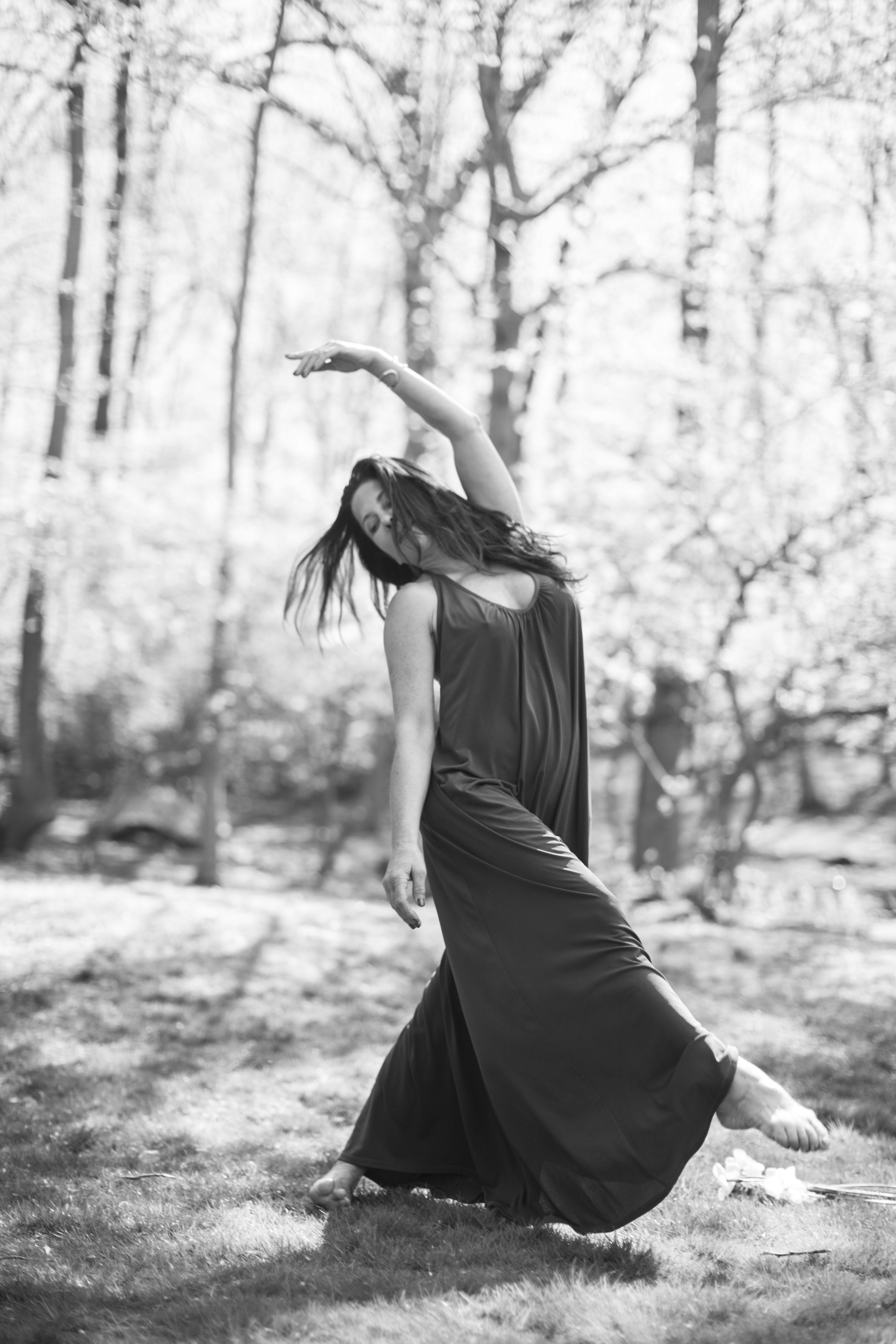
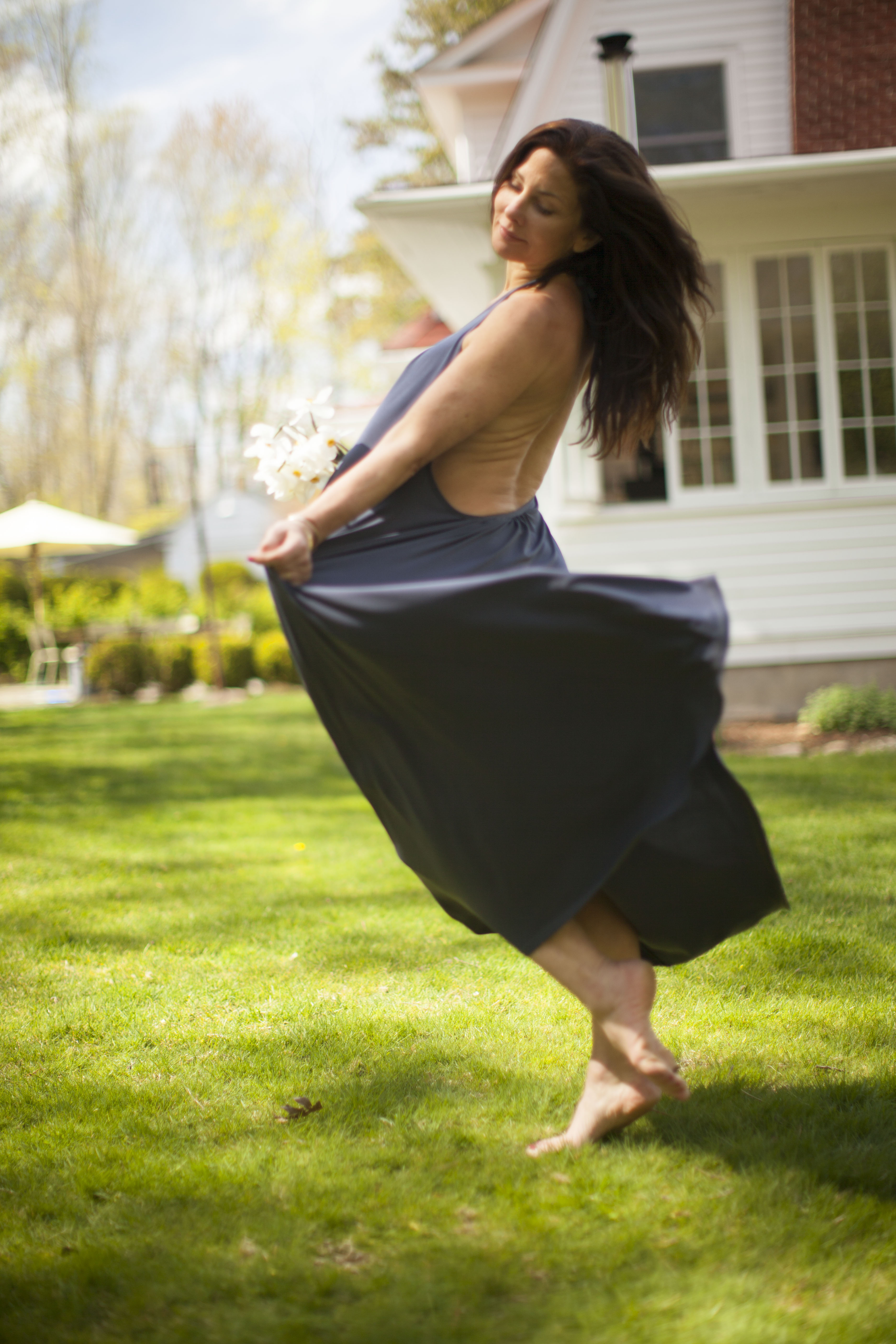
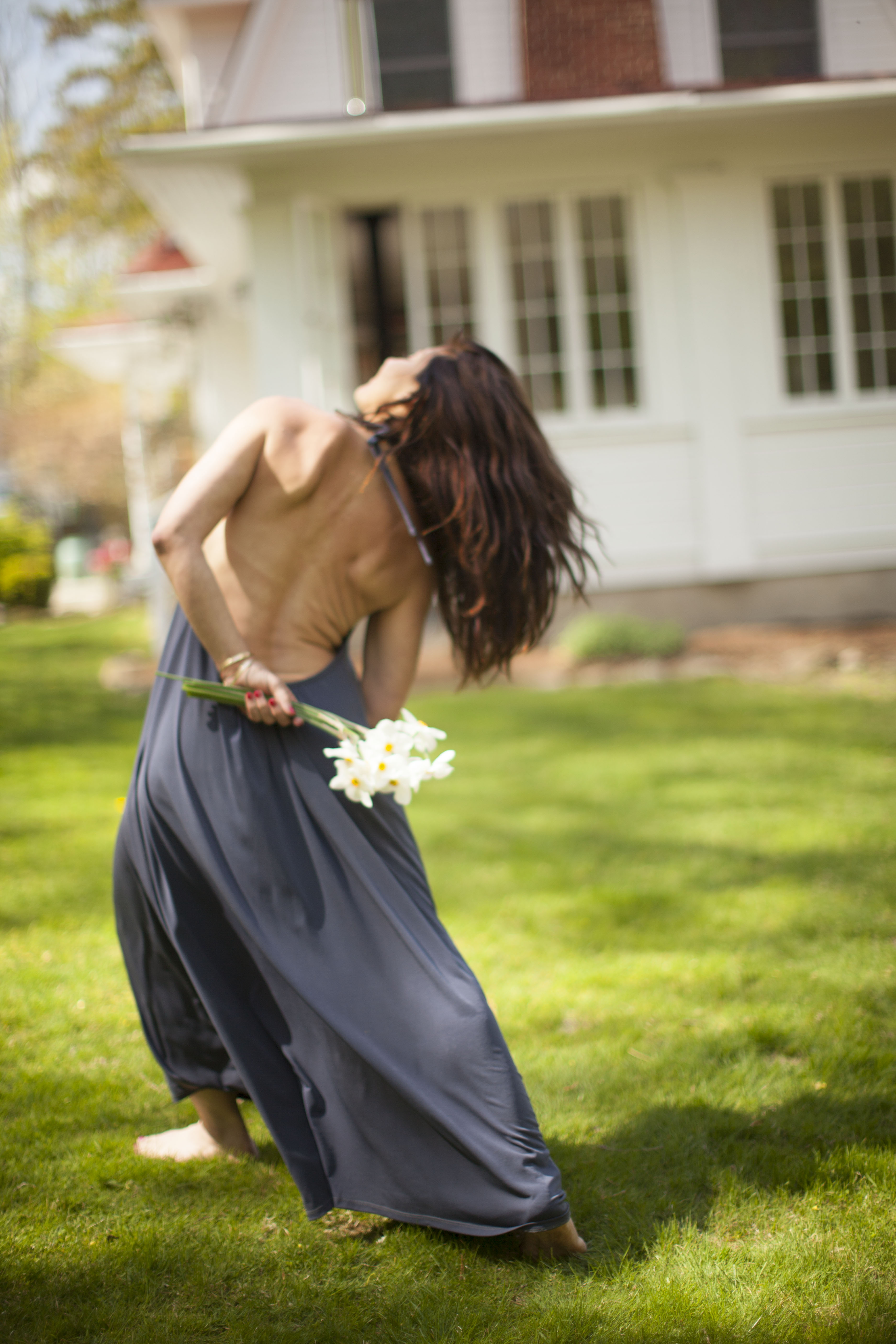
I’ve had many careers, many titles: choreographer, teacher, director, yoga instructor, artist, jewelry maker, entrepreneur. People ask how I manage it all, how I move so fluidly between so many different worlds.
The truth is, I don’t manage it. I don’t overthink it.
I simply move with it. Each new venture feels like another step, another movement in a choreography that I don’t always understand but that feels deeply, intrinsically mine.
I’ve come to understand that my curiosity is the fuel, my impulsivity is the engine and my tenacity is what keeps me pushing forward. When I fall in love with an idea, there’s no stopping me. It’s like the idea becomes part of my bloodstream, and I have to bring it to life. There’s no room for hesitation, no time for second-guessing. I throw myself into whatever it is—whether that’s designing a piece of jewelry, launching a new business or taking on a new role in a creative project. I don’t always know where it will lead, but I know that to stop would be a kind of death.
As I continue to shift through life’s pivots I feel like I’m being breathed; like I’m riding a current I can’t see. I know the wind of change is carrying me, gently but inevitably, toward the next phase. There’s a surrender in this, a release of control. I trust that there’s a rhythm to everything. When I’m in sync with it, I’m part of the flow. When I fight against it, I struggle. It is a continuous practice of letting go. The less I hold onto, the more freely I move and the more effortlessly the pivots happen. I’ve come to see failure not as a reflection of my inadequacy, but as a necessary part of the dance. It’s in the falling, the stumbling, that I find my grace. It’s in the transitions—the moments when I’m between one thing and another—that I find myself most alive. There’s a joy in the endless movement, in the constant reinvention of myself.
I love being in motion. I love the feeling of my body in space, of my mind racing ahead to what comes next. Transformation is not something that happens once and is then done. It’s a continuous process, a never-ending dance of change. And in this dance, I am both the creator and the creation, always moving forward, always becoming.
Always in motion.
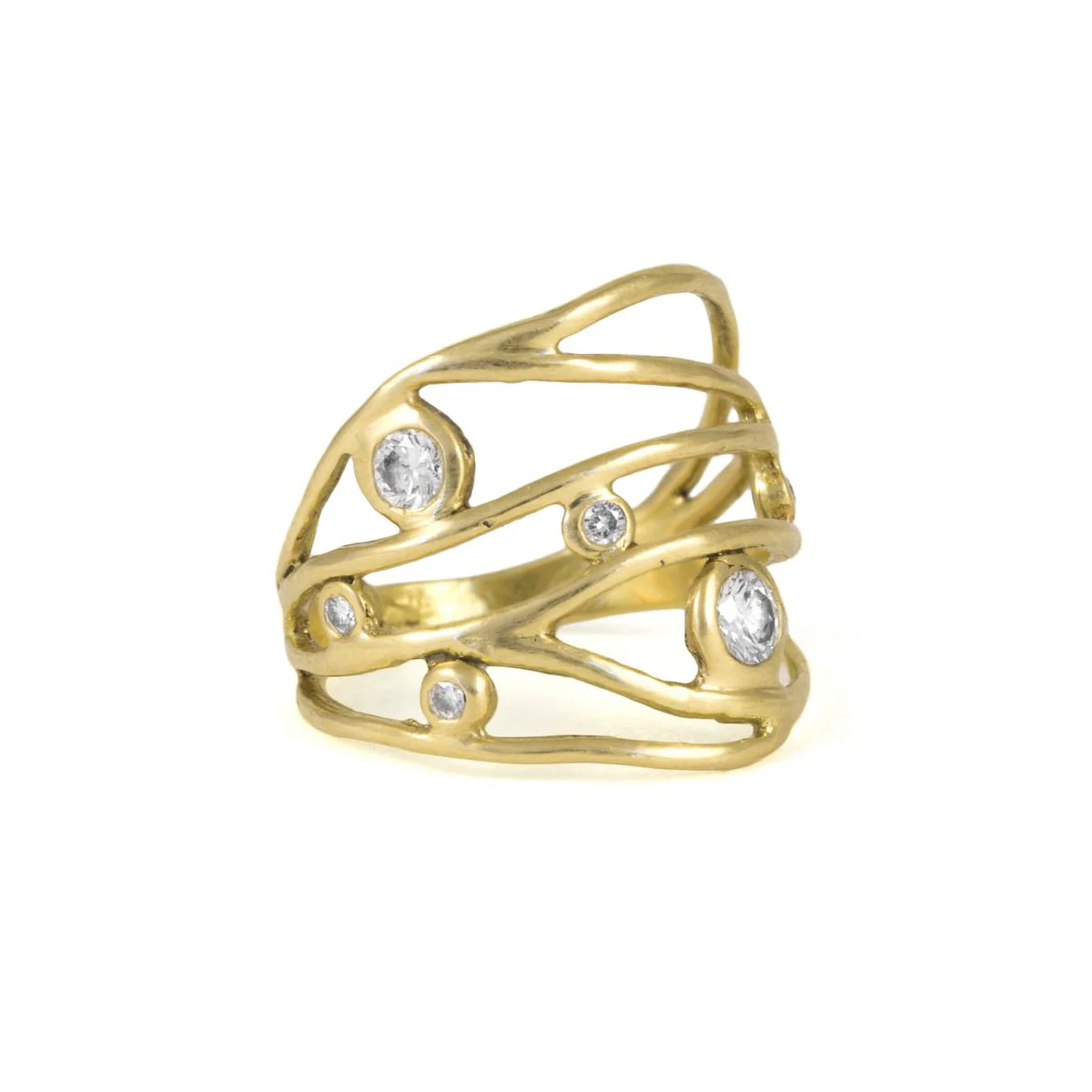
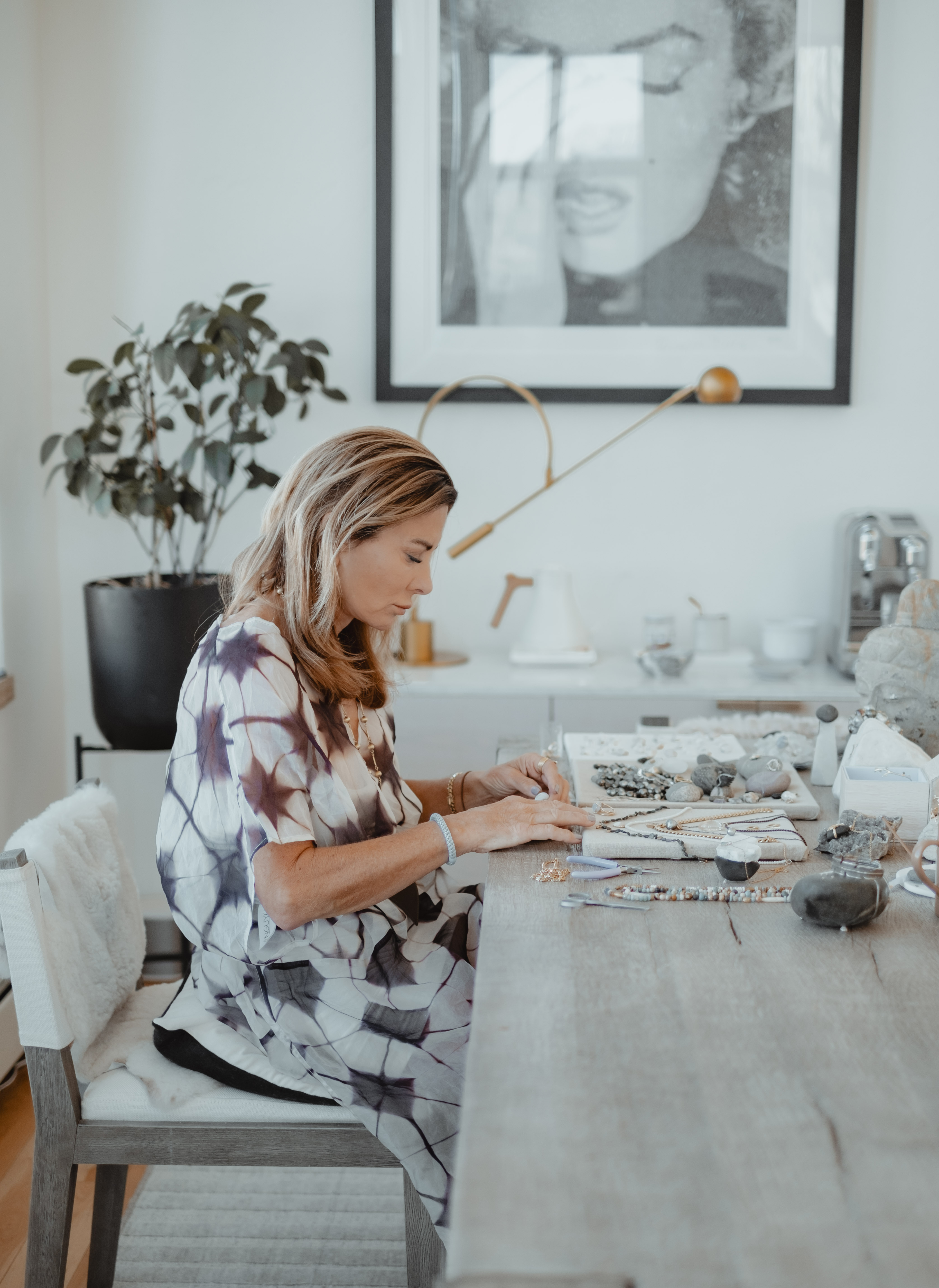
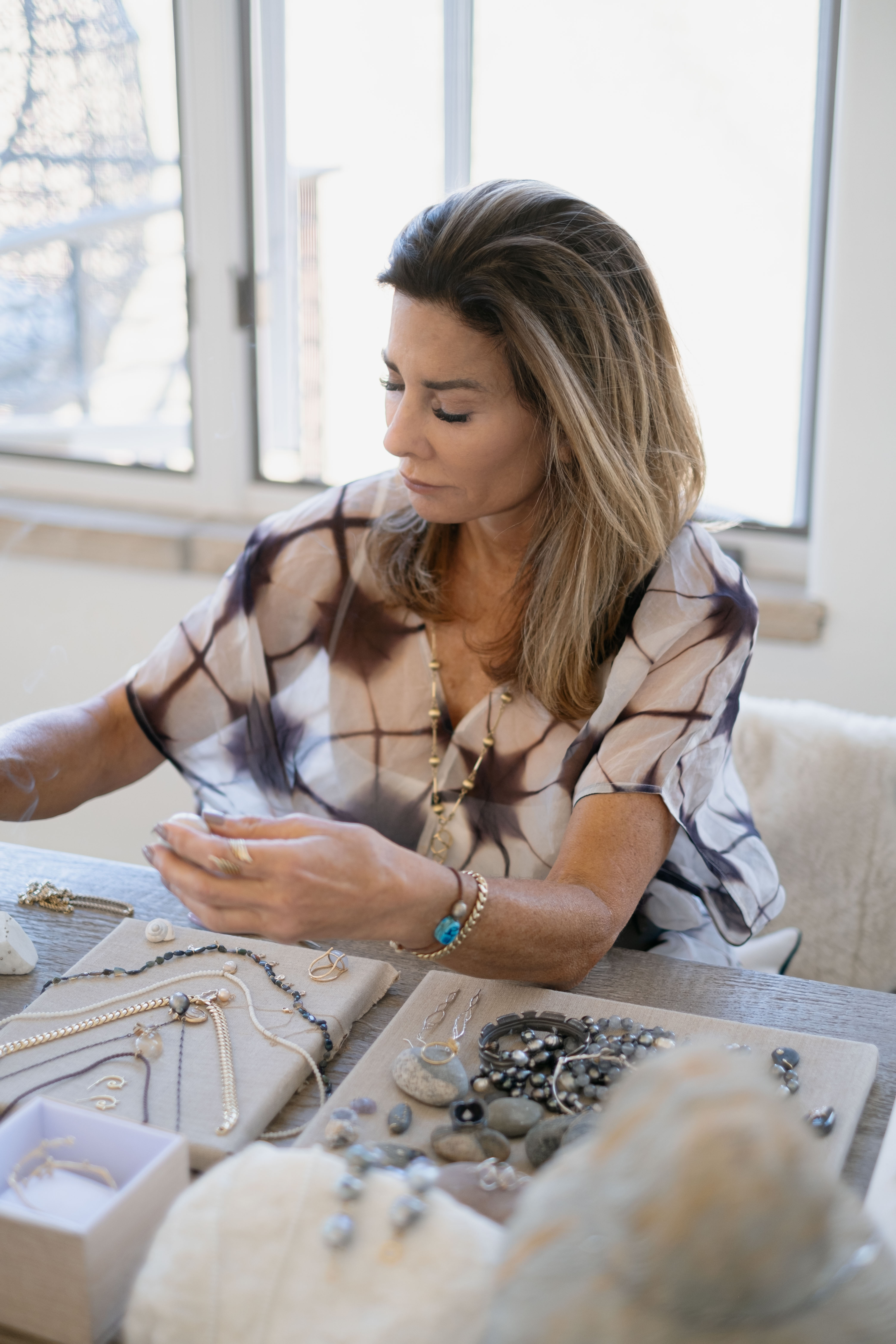
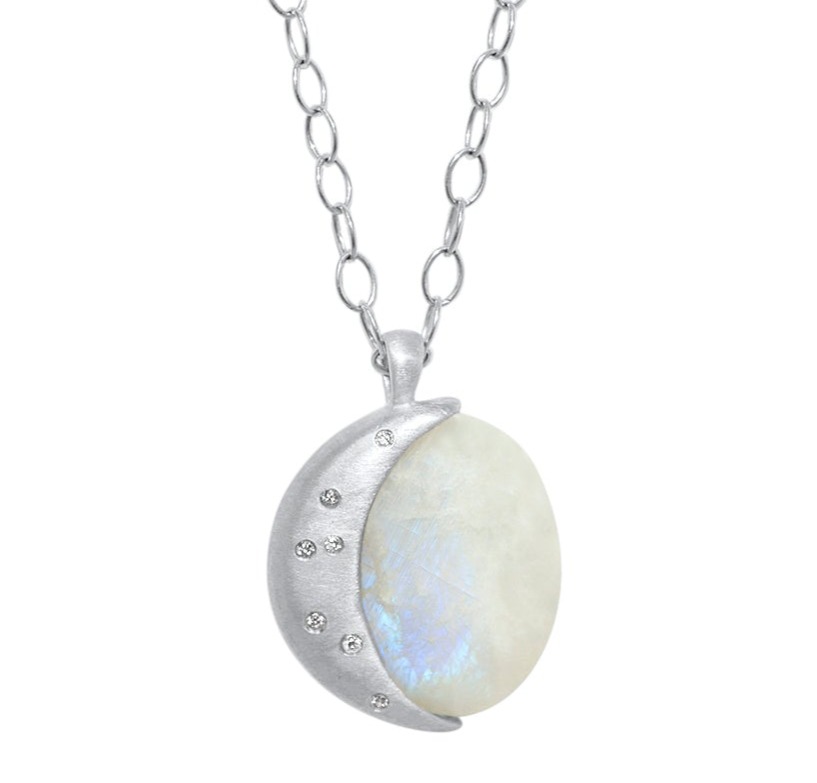
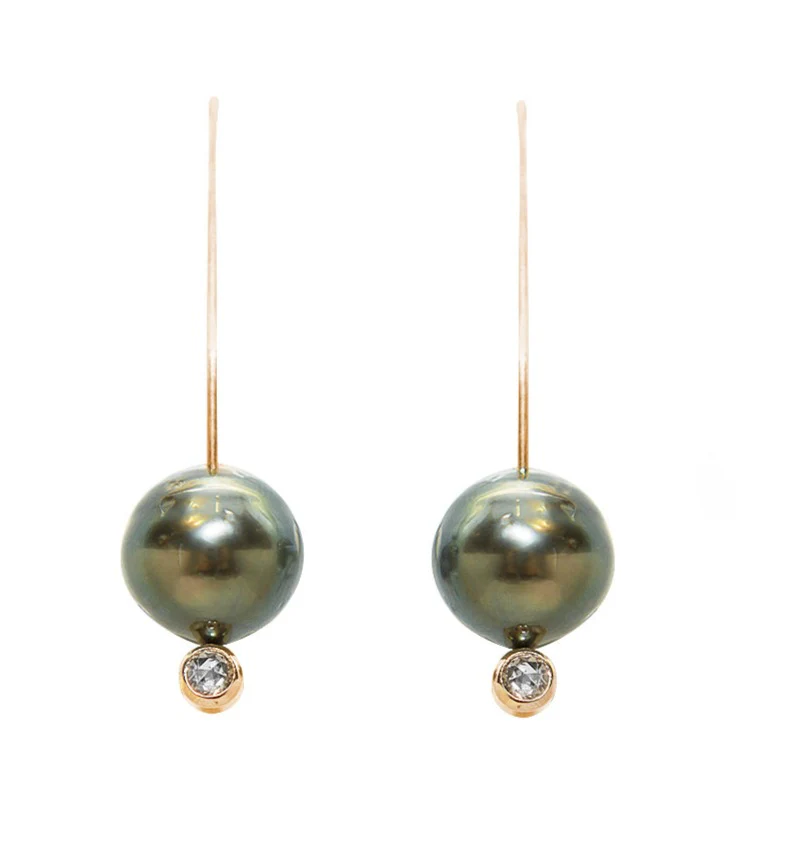
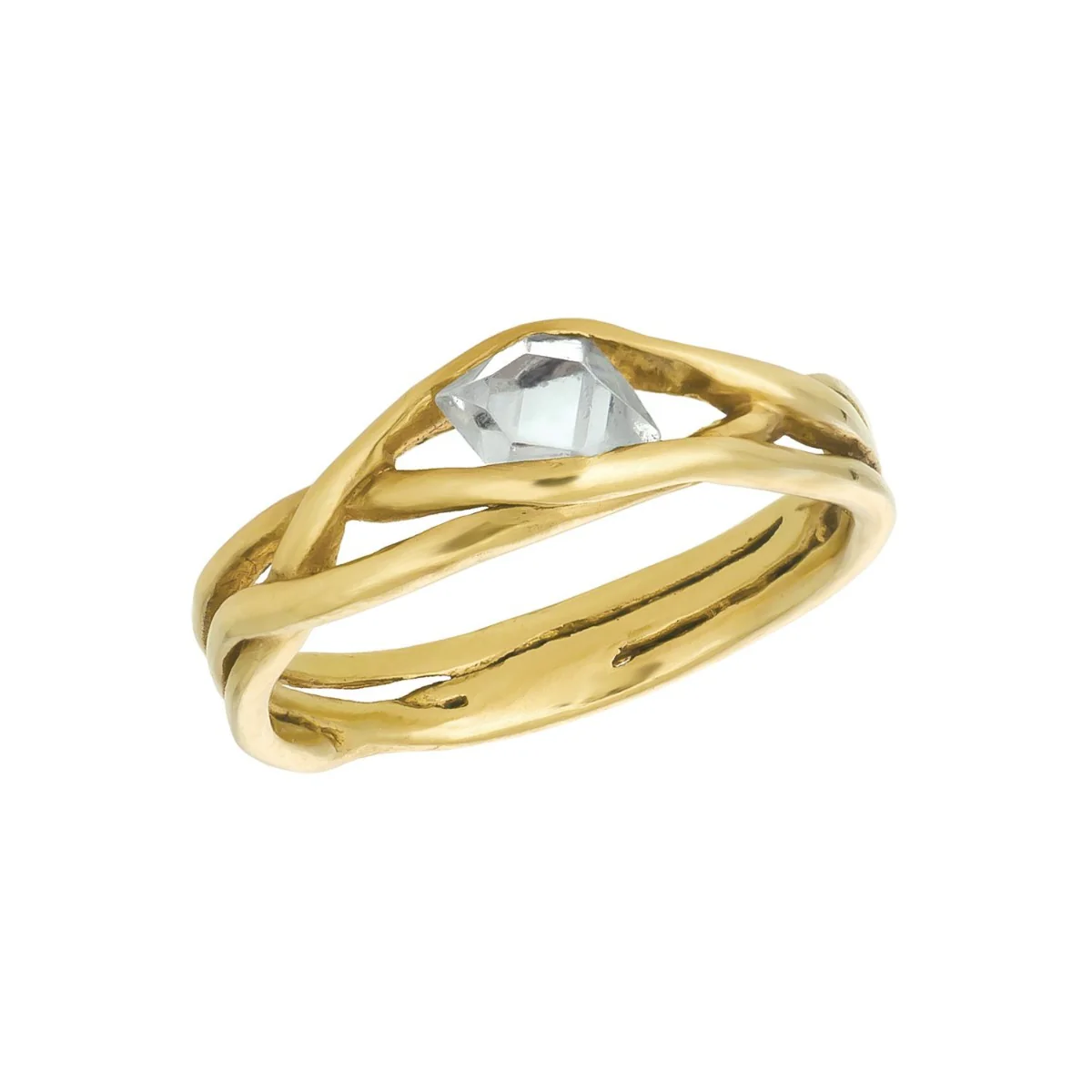
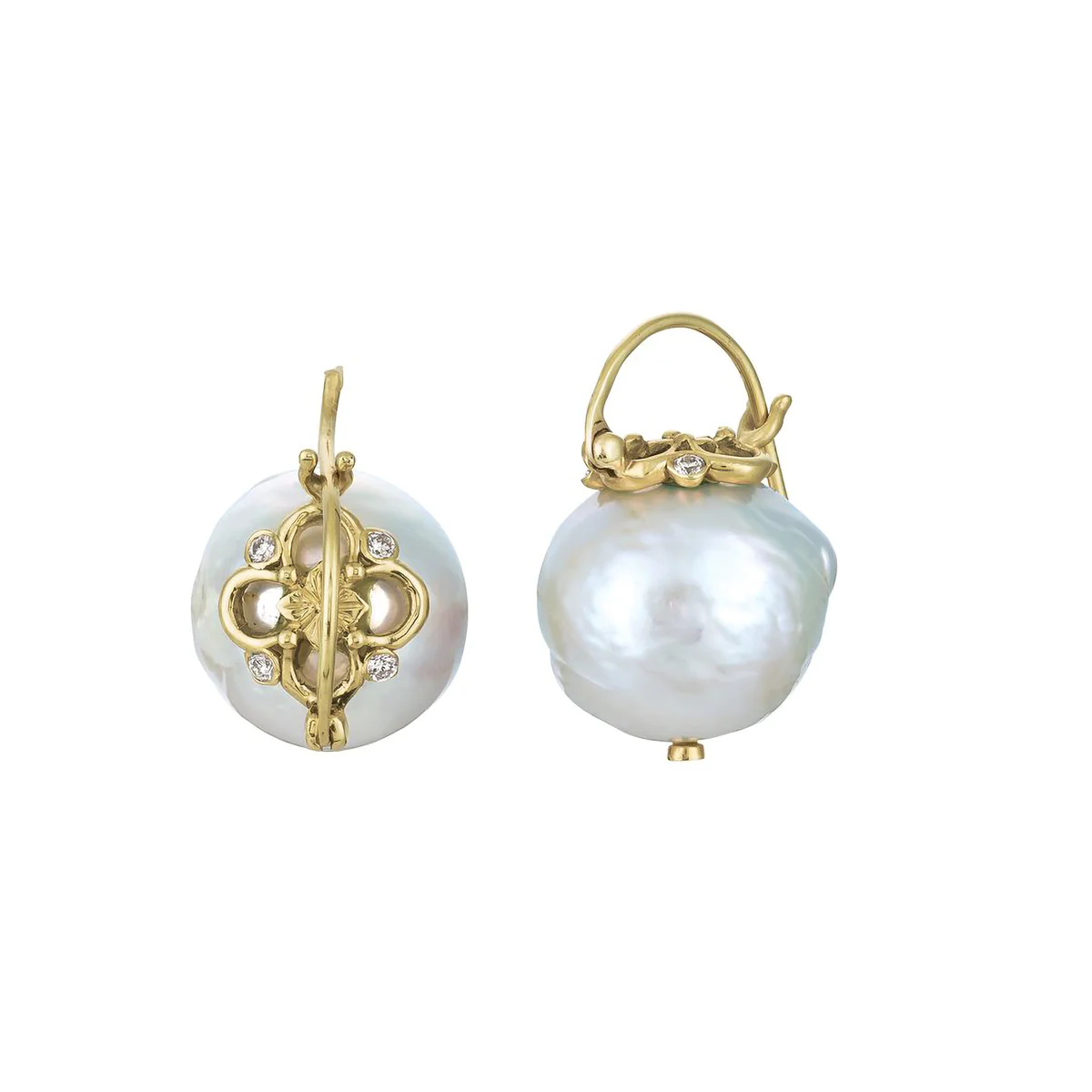
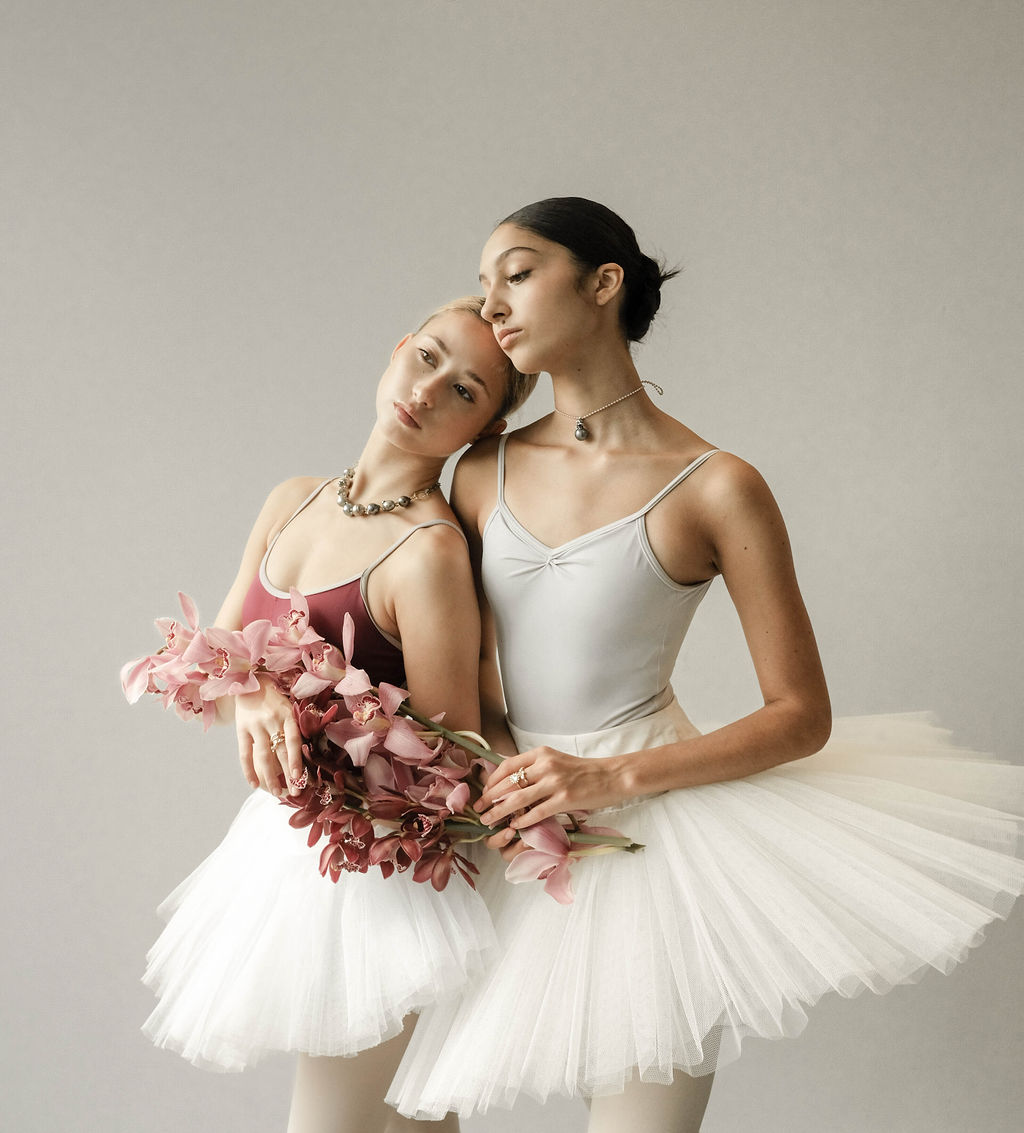
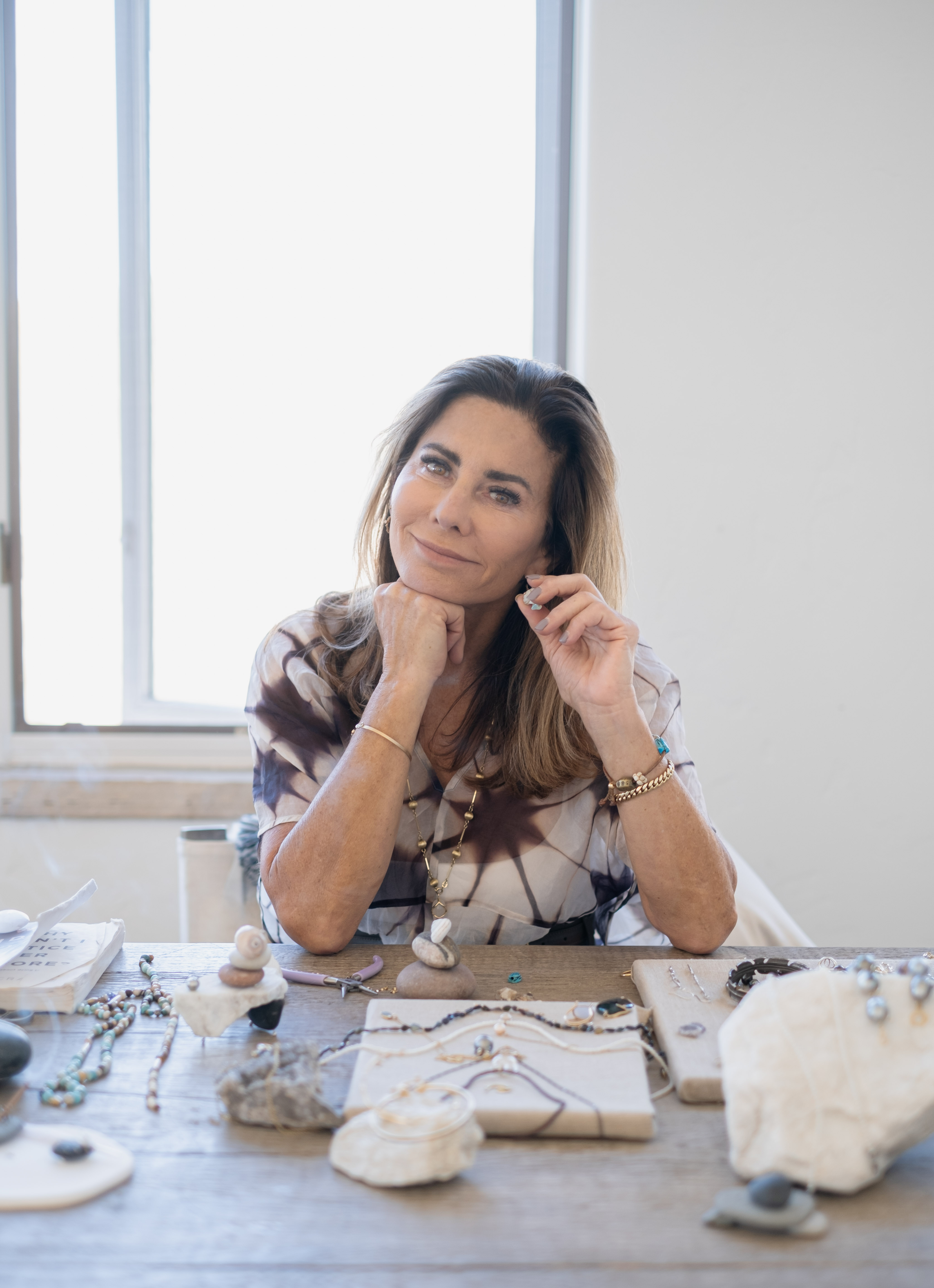
Oscar Wilde wrote that beauty is a form of genius — higher than genius, because it needs no explanation. Mauri Pioppo has spent her life testing that idea with her hands.
What is left out matters as much as what remains. Every piece begins with a person — a voice heard in memory, the impression of a neck, the particular way someone laughs. There is an intimacy in that process.
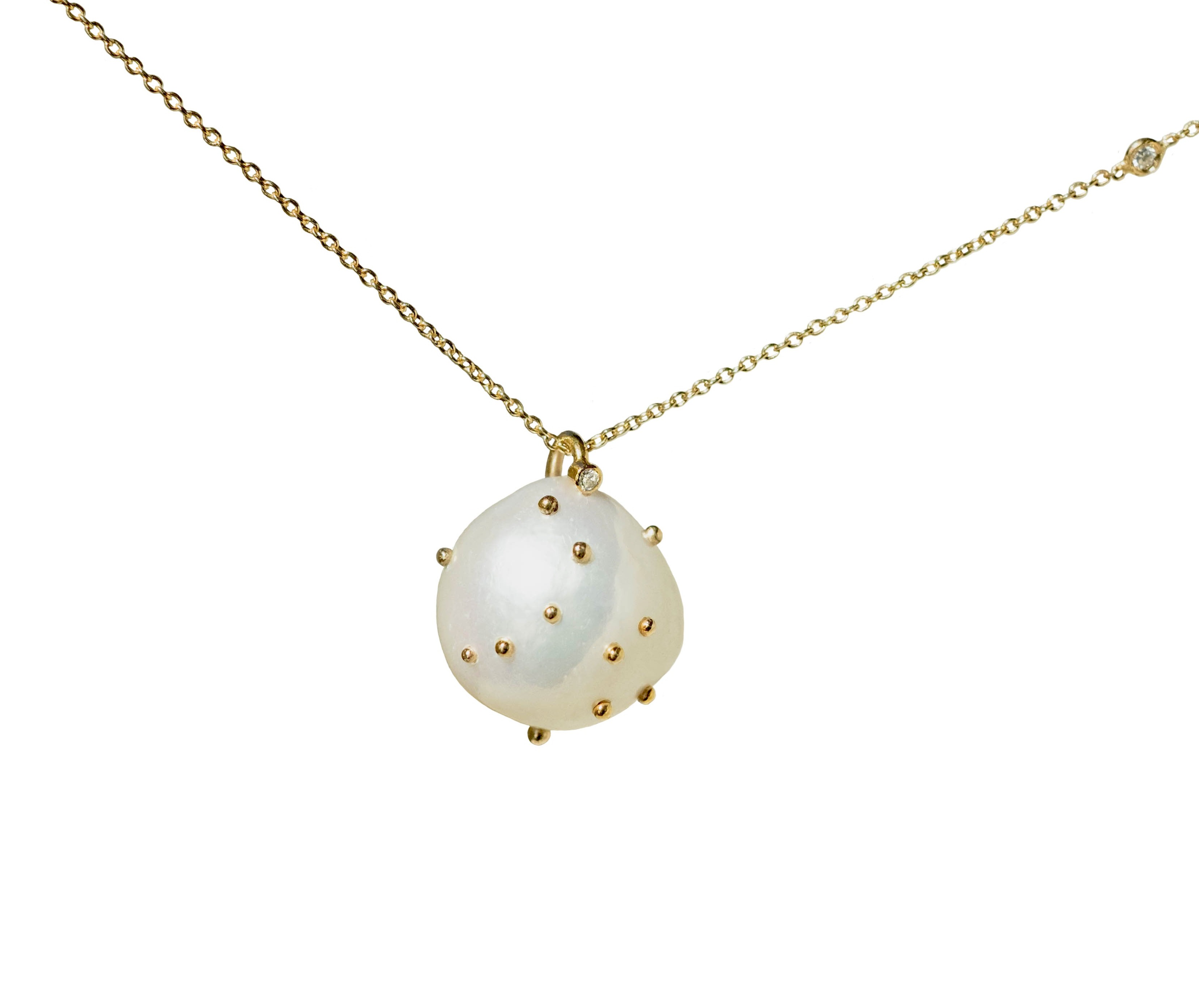
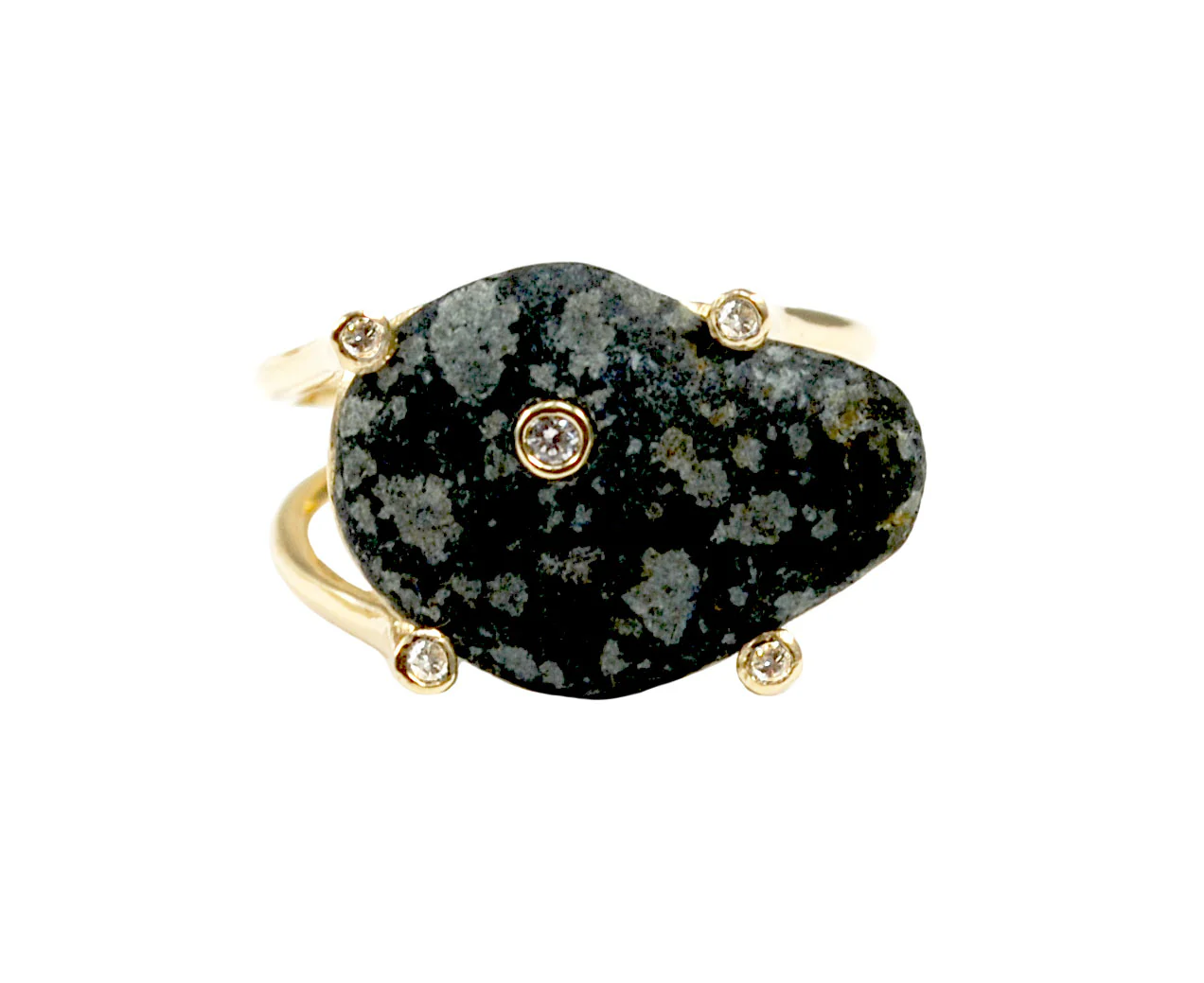
Mauri Pioppo Fine Jewelry has been made this way since 2002. Precious metals. Sacred geometry. Organic form — shaped into something someone will wear for the rest of their life. The World Gold Council has recognized this work. So have the women who carry it.
Her Love Letters collection began as exactly that. Stories encoded into gold, drawn from a woman's family line. A piece so personal it can only ever belong to one person. But Love Letters is one door into a much larger body of work — the cosmos collection, Moorea, bespoke commissions — each with its own life.
Making things that are beautiful feels like a conduit into a better world. That belief runs through the jewelry and through everything surrounding it: long-standing partnerships with Hope for Henry, the Breast Cancer Research Foundation, the ASPCA, and The Creative Coalition. The giving has always been part of how the work is made.
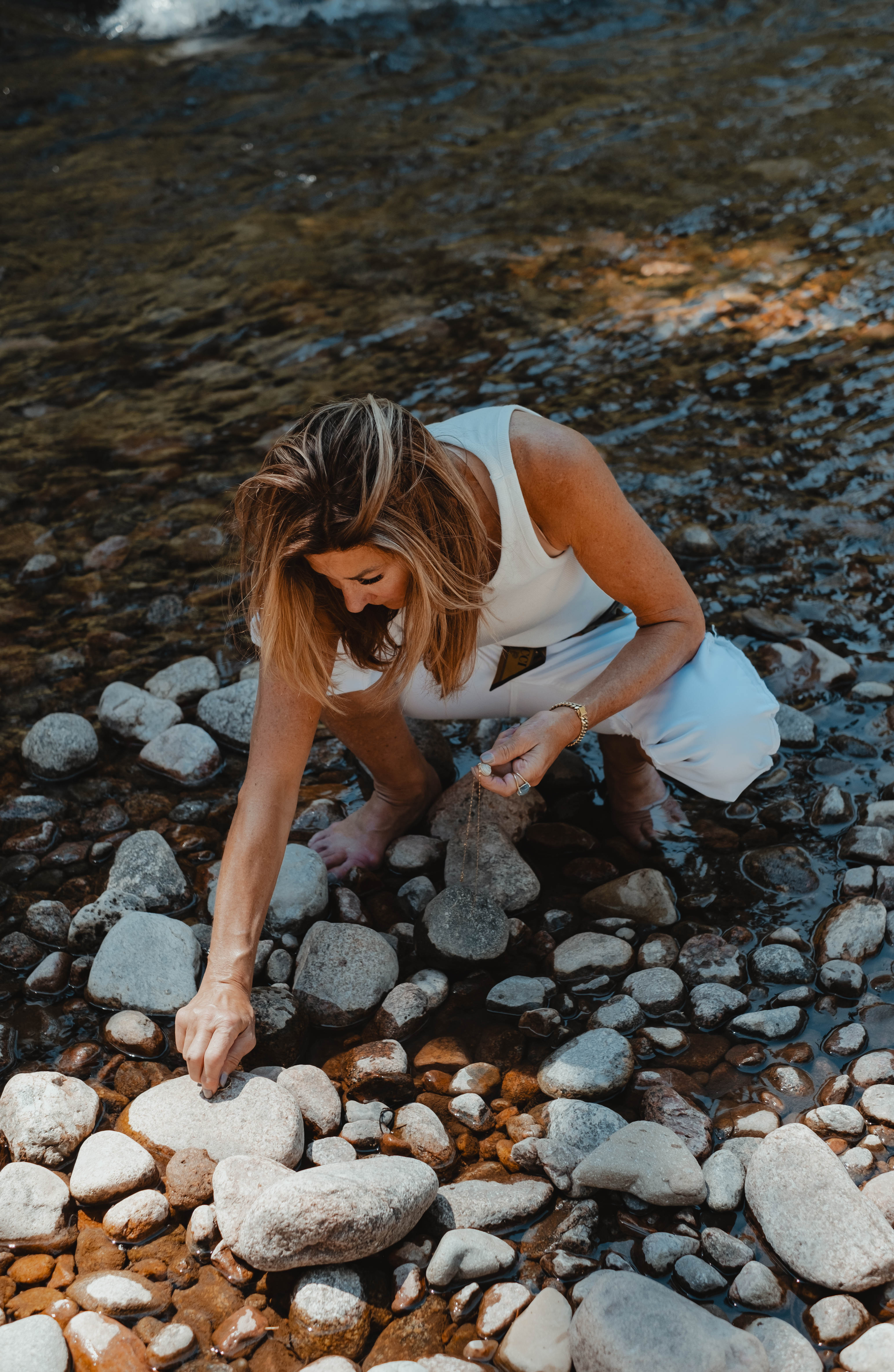
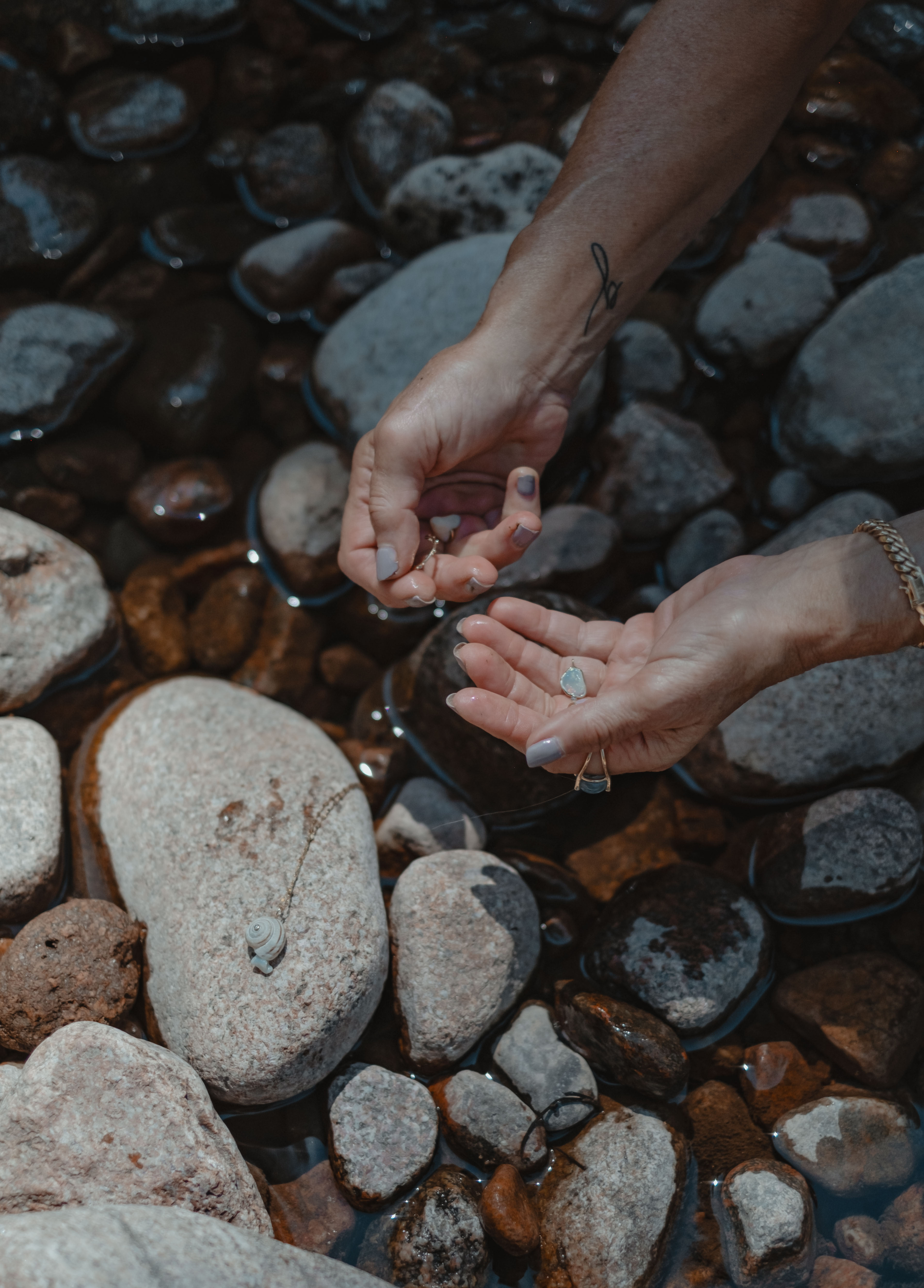
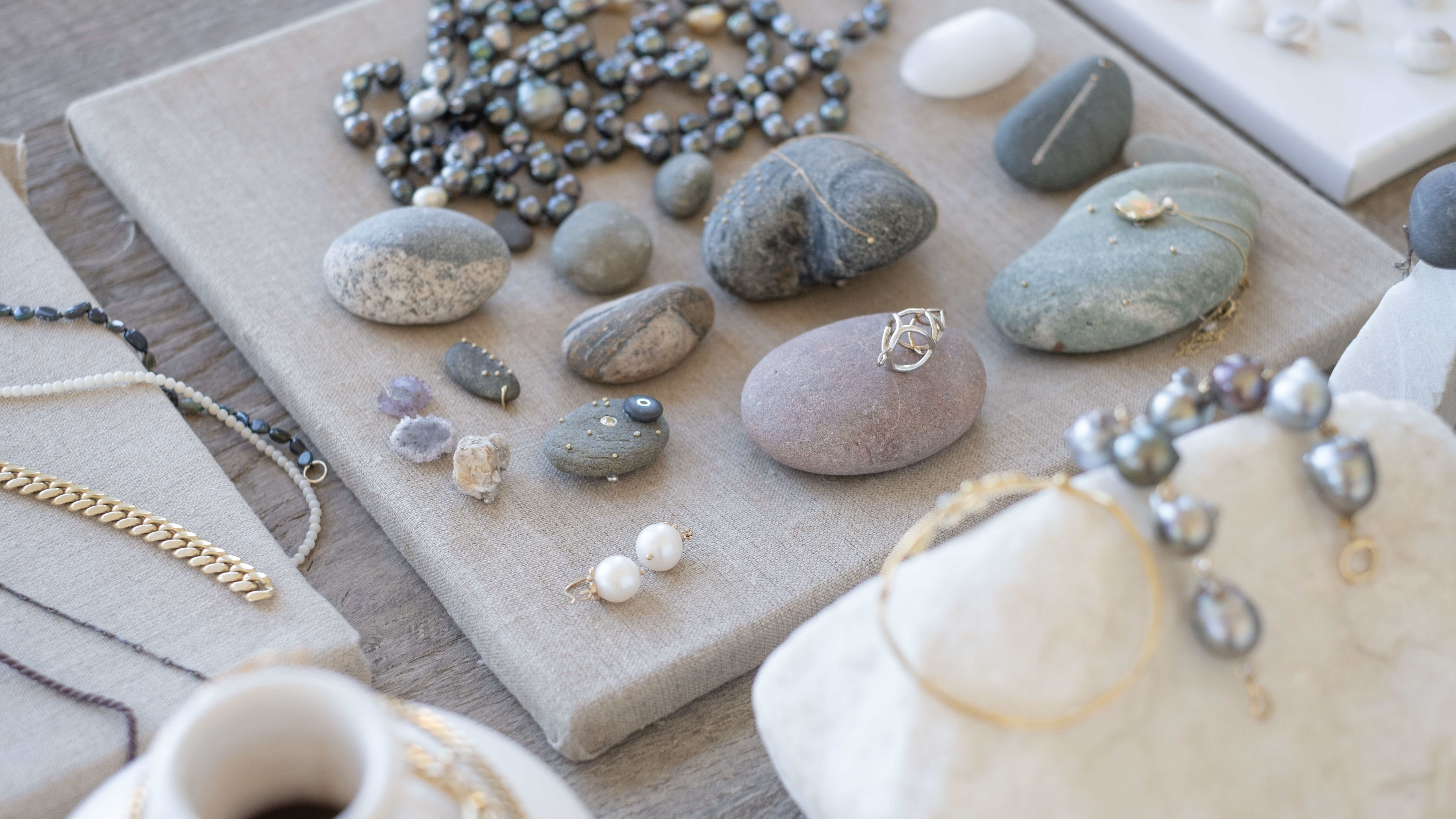
The inspiration — stones, shells, light on water, the geometry of a flower. And something Mauri feels strongly about right now: the abundance of love that exists in the world, even when the world makes it hard to see.
Adore yourself. Adorn yourself.