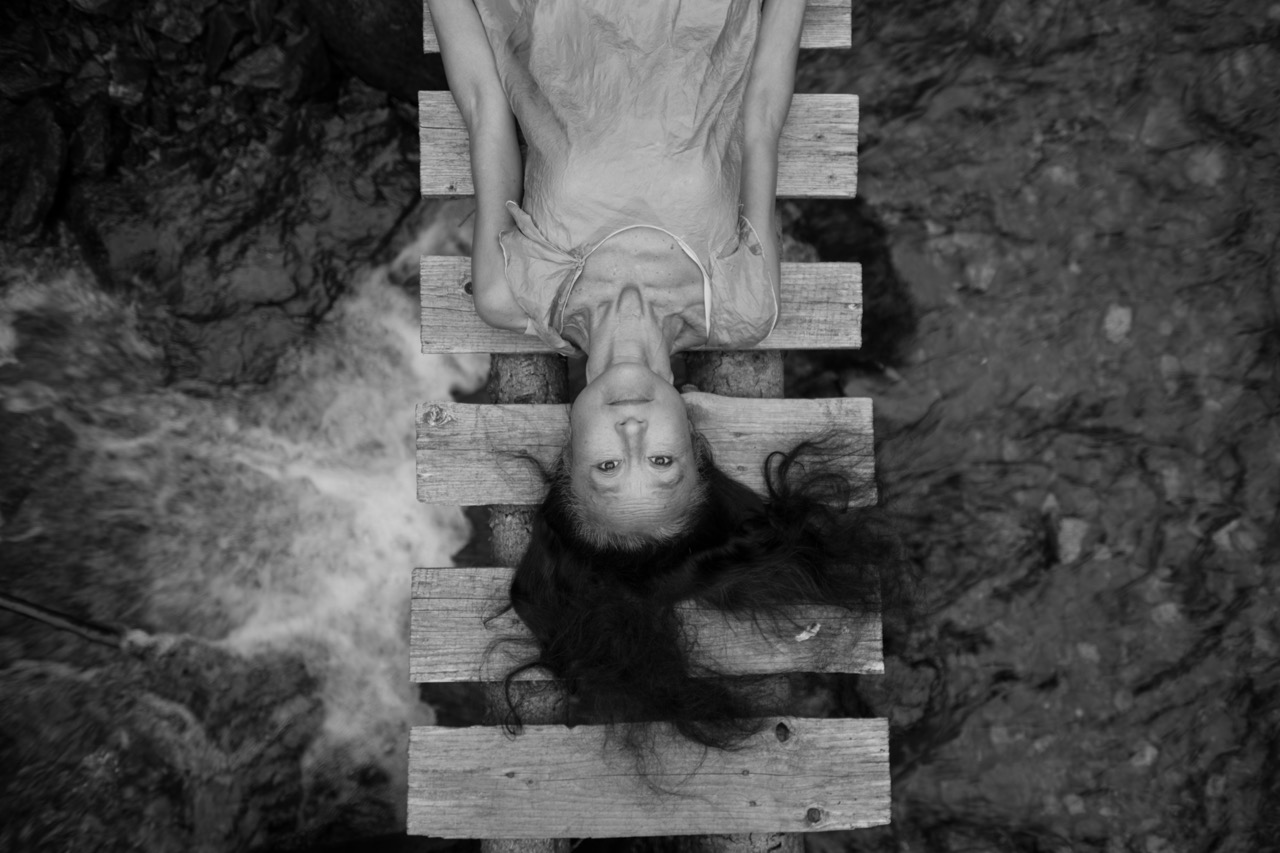
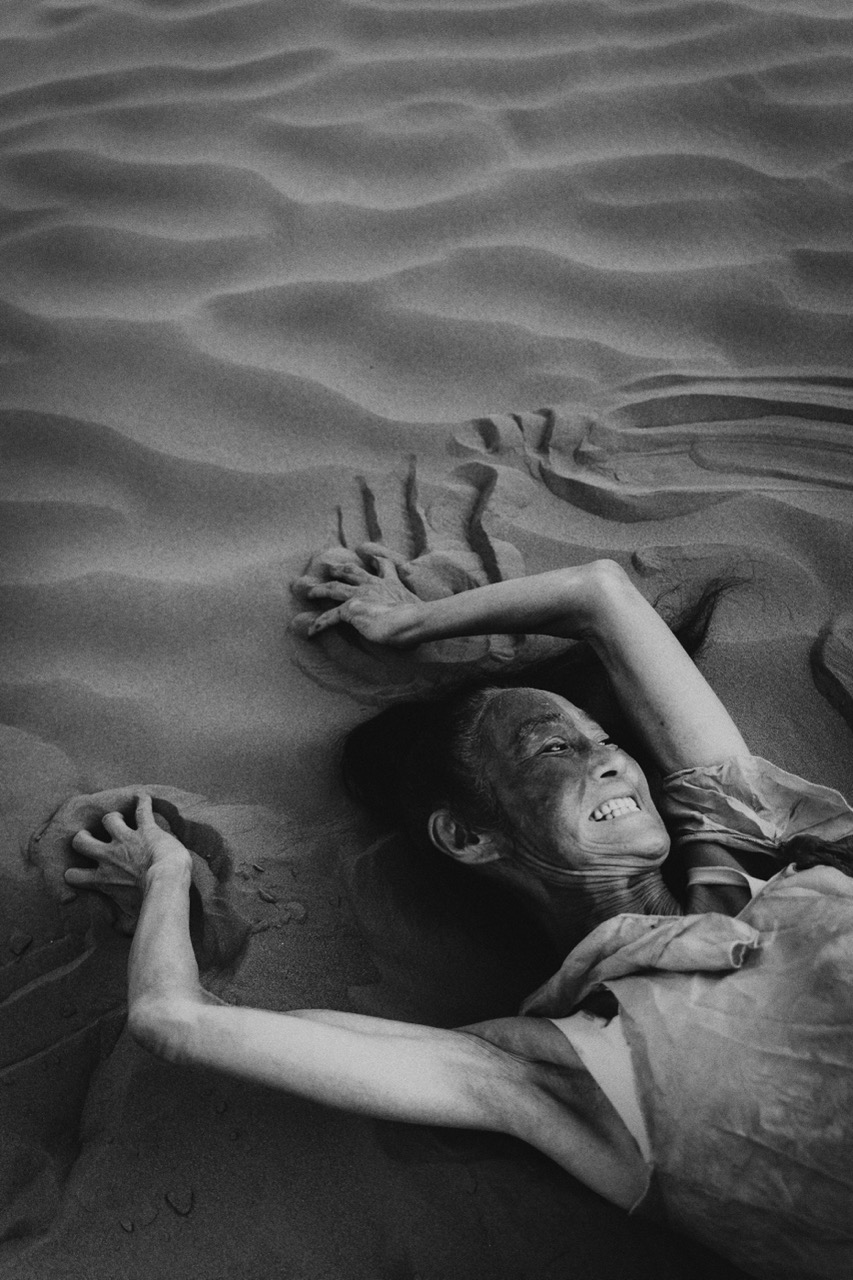
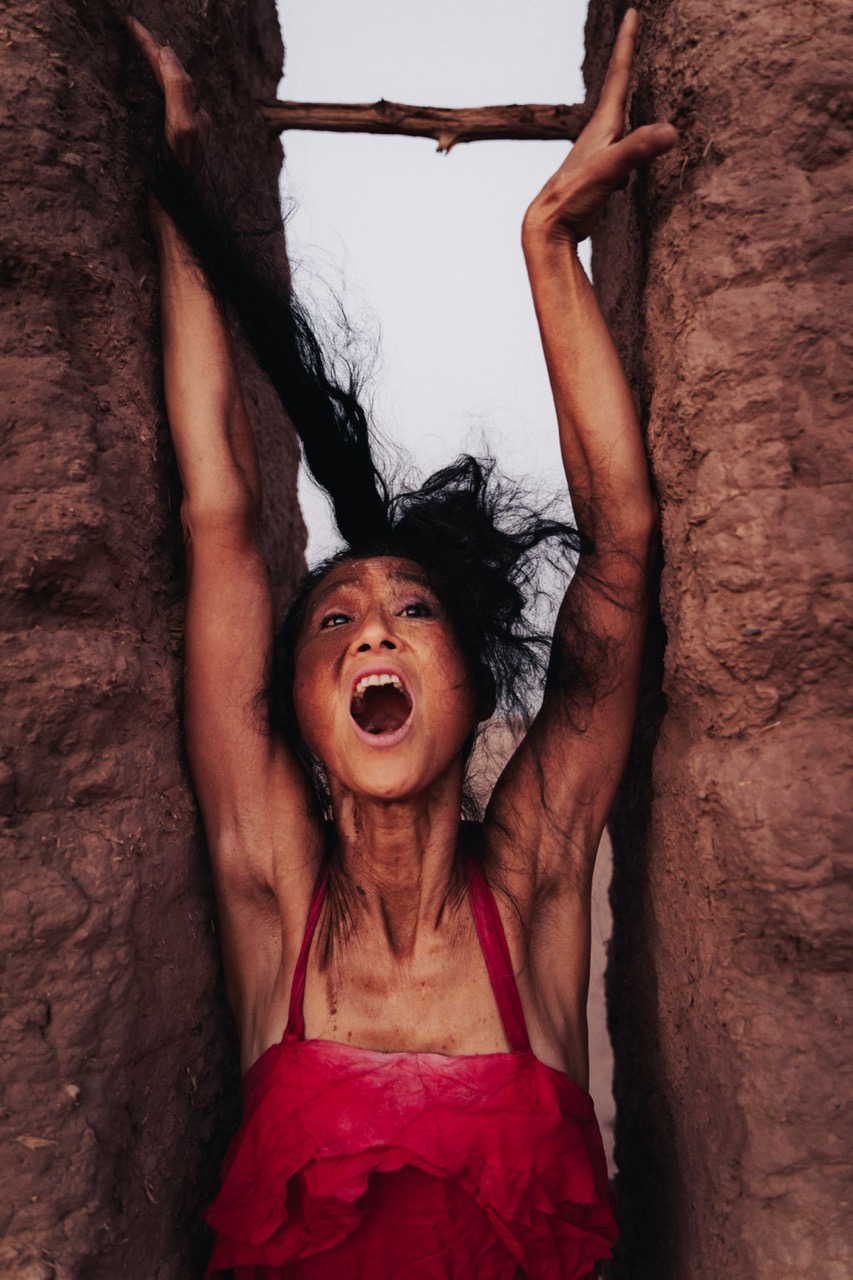
Moving and being moved—both are essential.
体
KARADA
is “body” in Japanese.
There are many interpretations.
I interpret it based on the idea of Noguchi Taiso,
a Japanese organic bodywork method:
Kara is emptiness and Da is standing.
Body is a passage.
We empty ourselves to welcome something fresh. Like breathing.
Exhale: empty wasted matter.
Inhale: welcome fresh air.
Yin and Yang. Give and Receive,
circulating until the last breath. And it continues into the next life, like a spiral.
阿 吽 の 呼 吸
AUN NO KOKYŪ
Breath of AUN
A is the first sound in Japanese: あ.
N is the last sound: ん.
あ is warm and ん is cool, like exhalation is warm while cool fresh air comes in when we inhale.
There is no duality.
Everything is connected and complementary.
Between あ and ん, there is MA: 間
the space between, and alive.
In the breathing of AUN, it is pronounced U.
AUN represents the Universe.
It is a regenerative power.
It is a protection of our life,
like the two guardian lion-dogs
in front of the shrine in Japan.
One is あ and the other is ん.
可
視
の
身
体
KASHI NO SHINTAI
FUKASHI NO SHINTAI
不
可
視
の
身
体
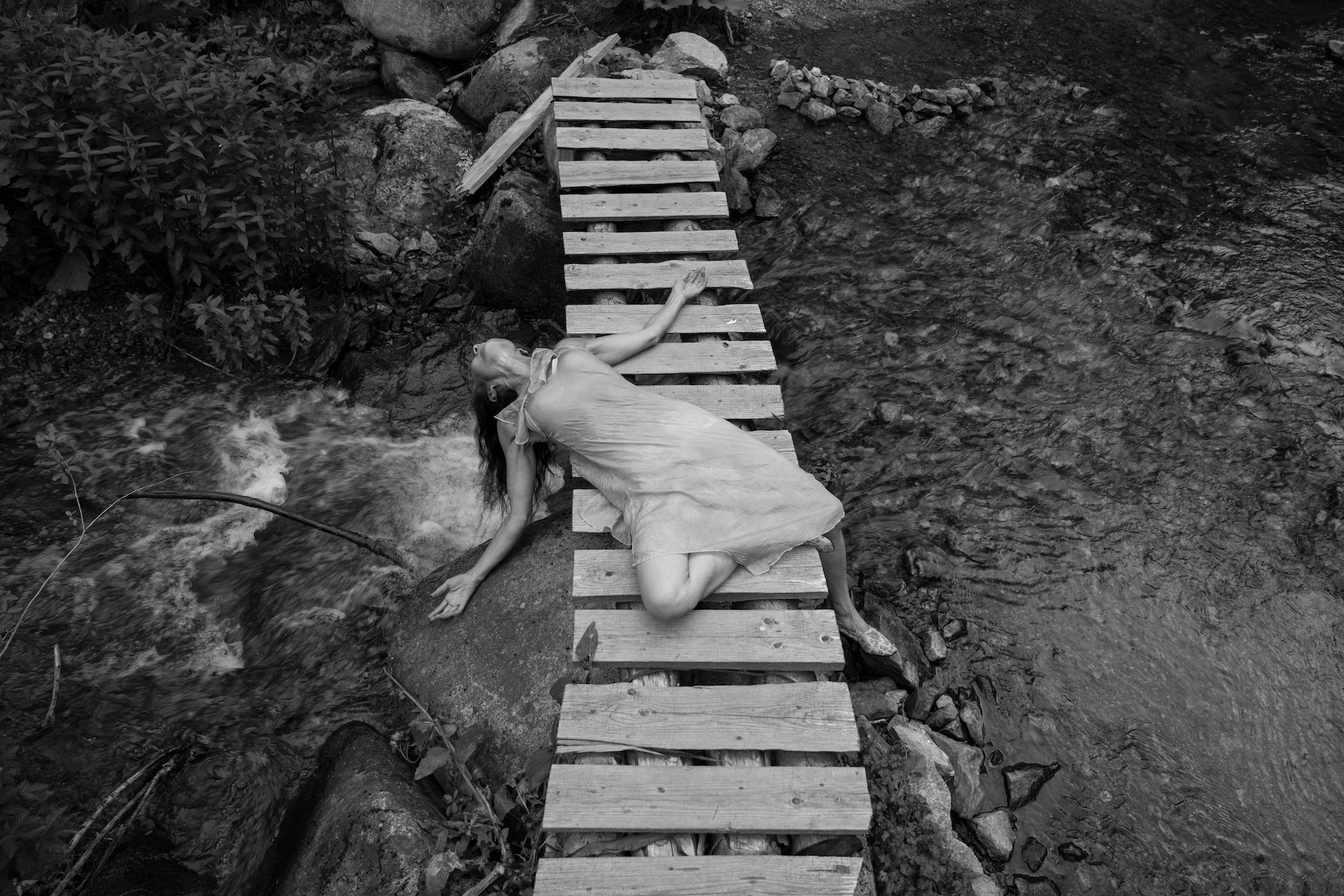
The Visible & Invisible Bodies
When the physical body breathes out,
the invisible body starts to breathe out as well.
It is not holding the breath.
It exhales through MA, the space between.
When we inhale to the maximum volume of our physical body,
the invisible body continues to inhale, receiving fresh air.
Through this imagination, we can broaden our physical body.
Our brain and ego melt into the air and water.
They never disappear,
but they lose their dominant position in controlling all of our life.
Through organic movement and Butoh,
we can coexist with our physical and invisible body,
with many layers of aspects, energy and essence in this universe.
The frozen seeds grow,
enriching our life with deeper sensation and insight,
with the light of joy.
They unfold many hidden layers
and open the forgotten doors of the passages buried in our body.
We can also let our so-called negative emotions
— such as anger, hatred, fear and anxiety —
go through certain antenna exercises.
Butoh is not therapy, but there is this effect.
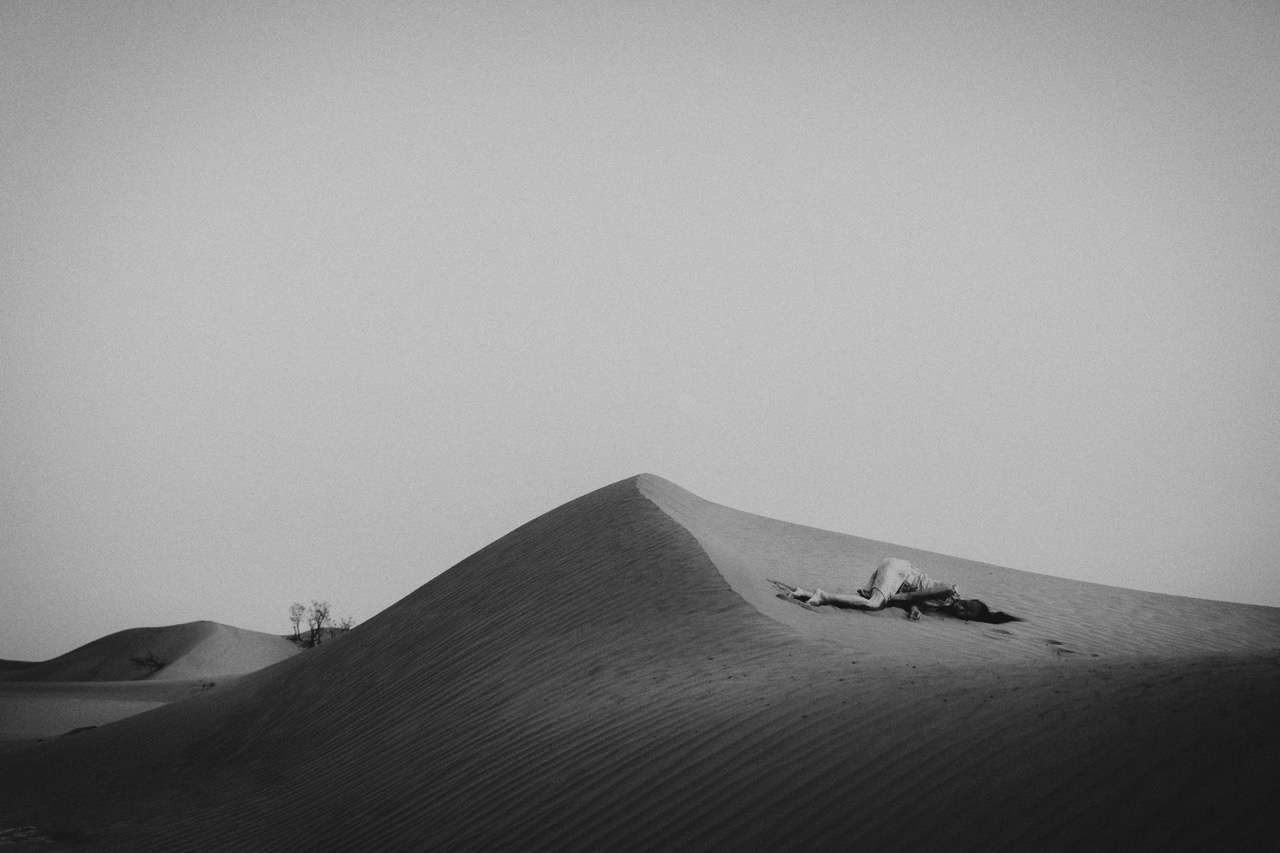
Butoh is a Dance of Darkness.
We give a light to the Unknown.
Light can be consciousness or awareness,
guiding us toward the Unknown,
which attracts us and calls us inevitably.
Butoh is also a Dance of Transformation.
It is not only a physical transformation,
but also a transformation of our point of view,
our way of thinking, our sense of value
all of which are deeply influenced by social conditions.
For example, in place of anti-aging, we may find beauty in decay, like an abandoned house, or in the wrinkles of old people: a subtle beauty of wabi-sabi,
in impermanence and imperfection.
Through this transformation, we can discover more joy and a subtle beauty in our daily life.
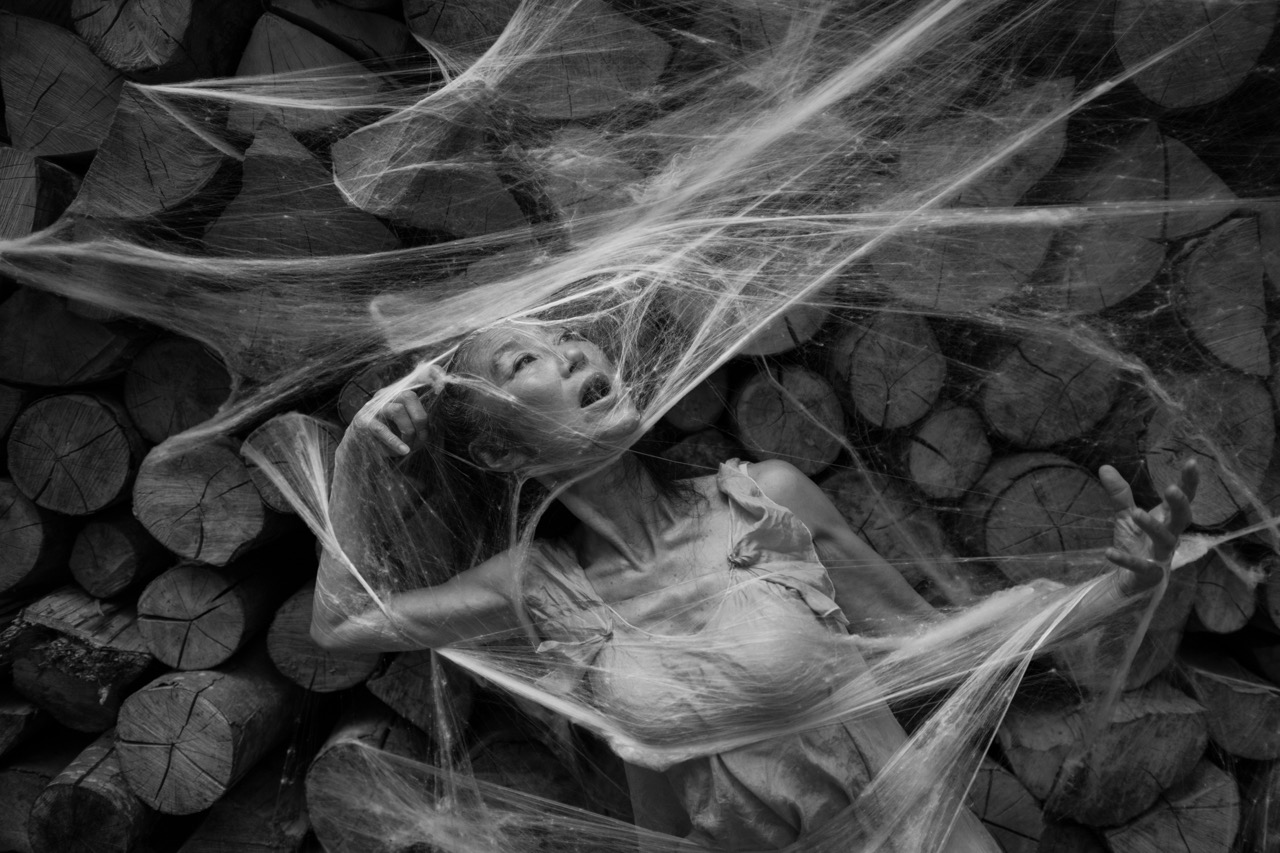
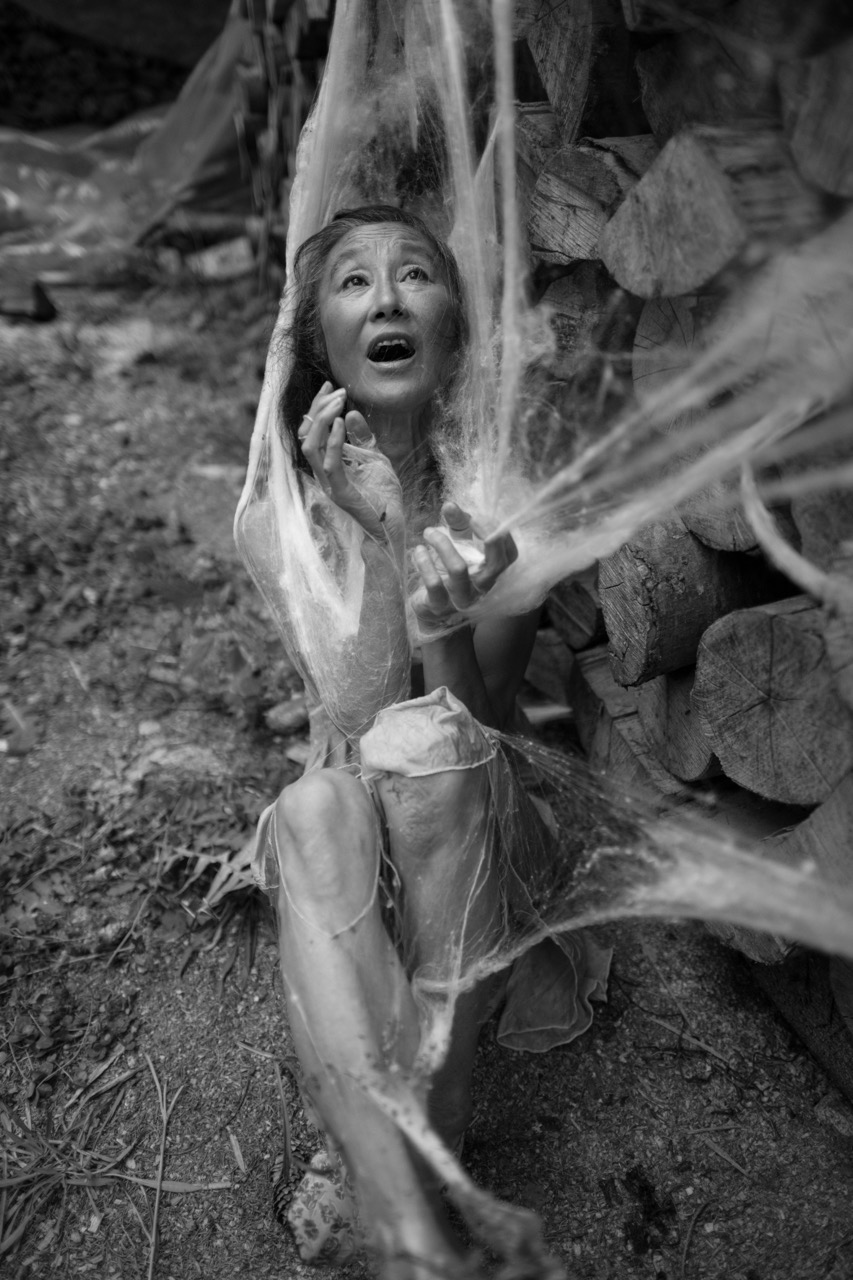
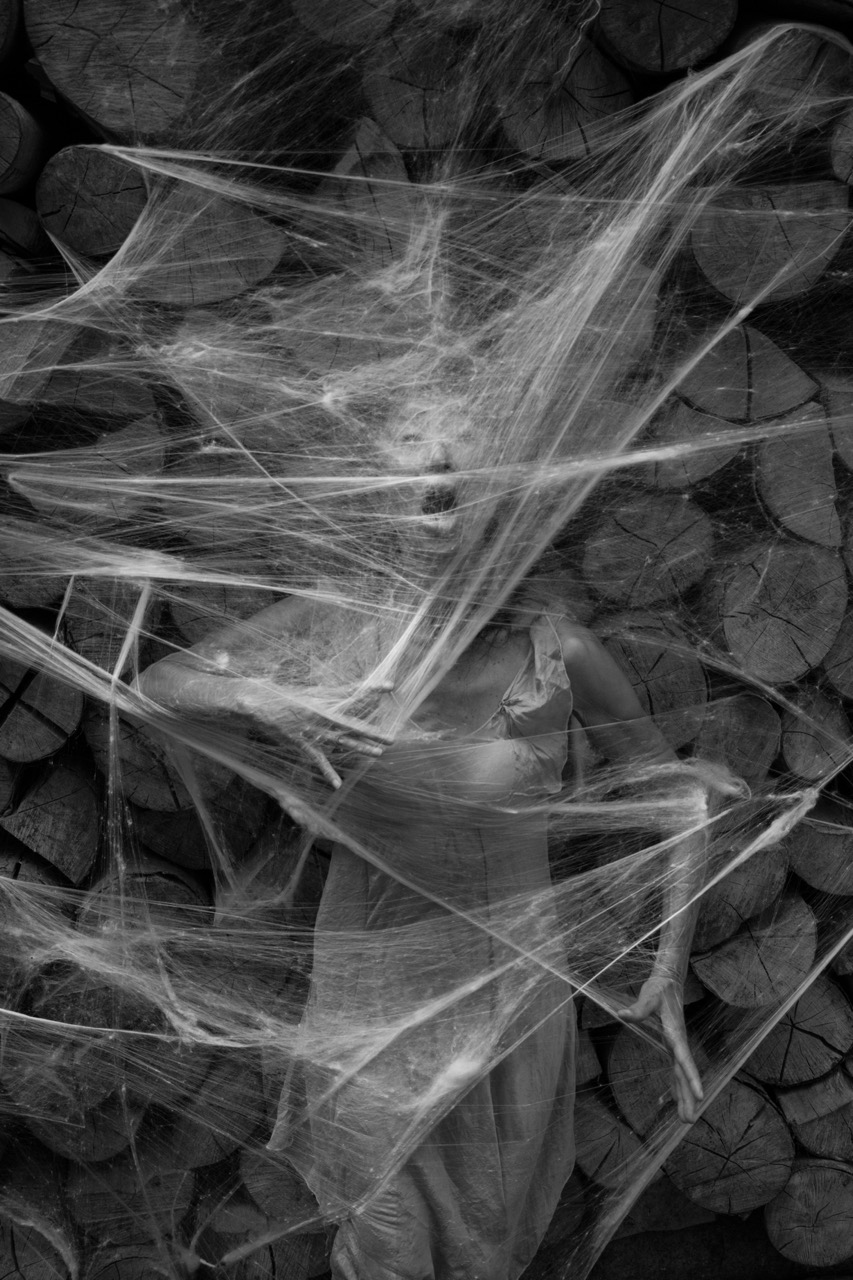
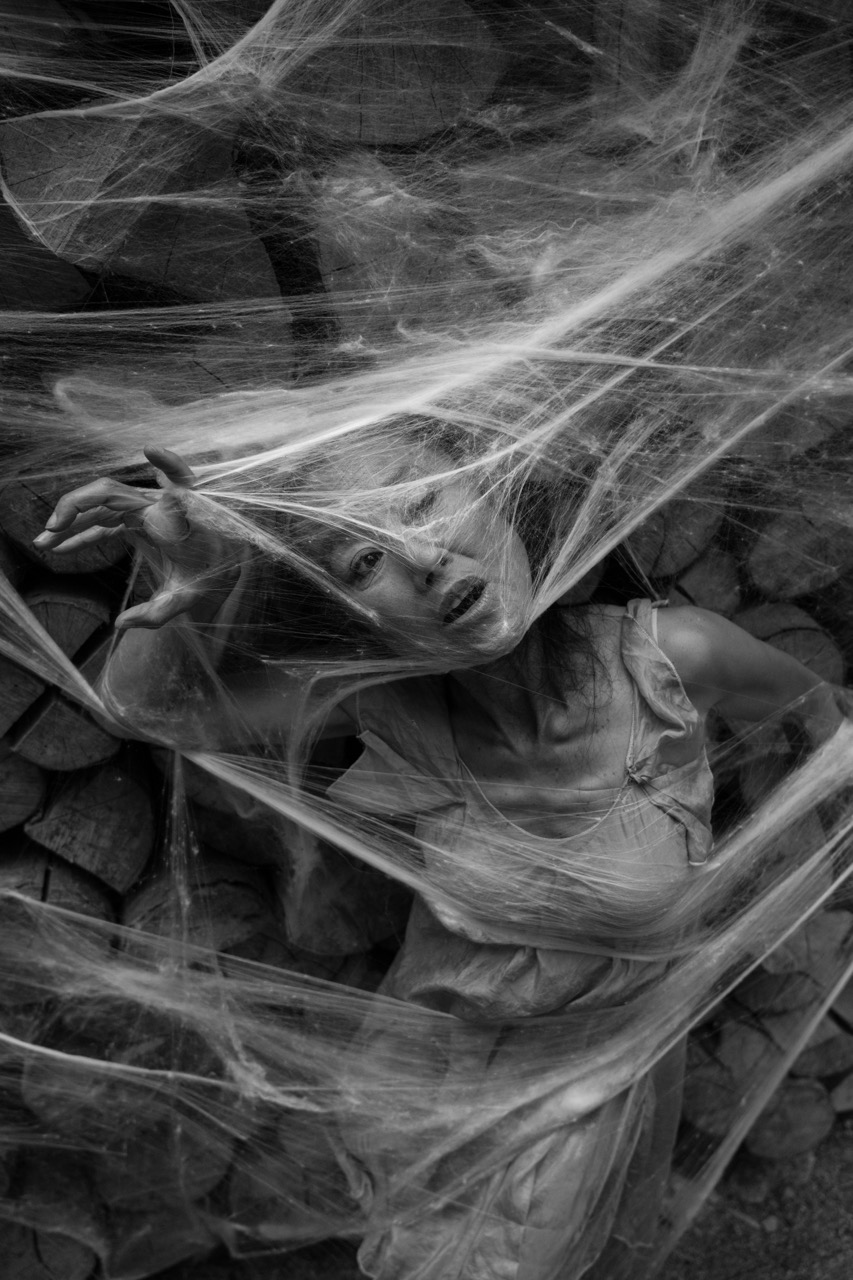
Butoh is a Dance of Life,
a dance of presence.
The destination is not to master techniques.
Many people misunderstand Butoh
as simply being slow
as though just being there is enough.
On the contrary, in my view,
we do not need blood, but we need to sweat metaphorically.
We need to train ourselves, dig a hole,
establish a cornerstone, so that we can build something.
It requires physical and mental effort.
Butoh is also listening to the silence
— MA —
the unknown sound in our body,
internally and externally.
I too have the tendency to rush toward the result. Everything is getting faster and shorter.
We are losing the patience to listen to silence.
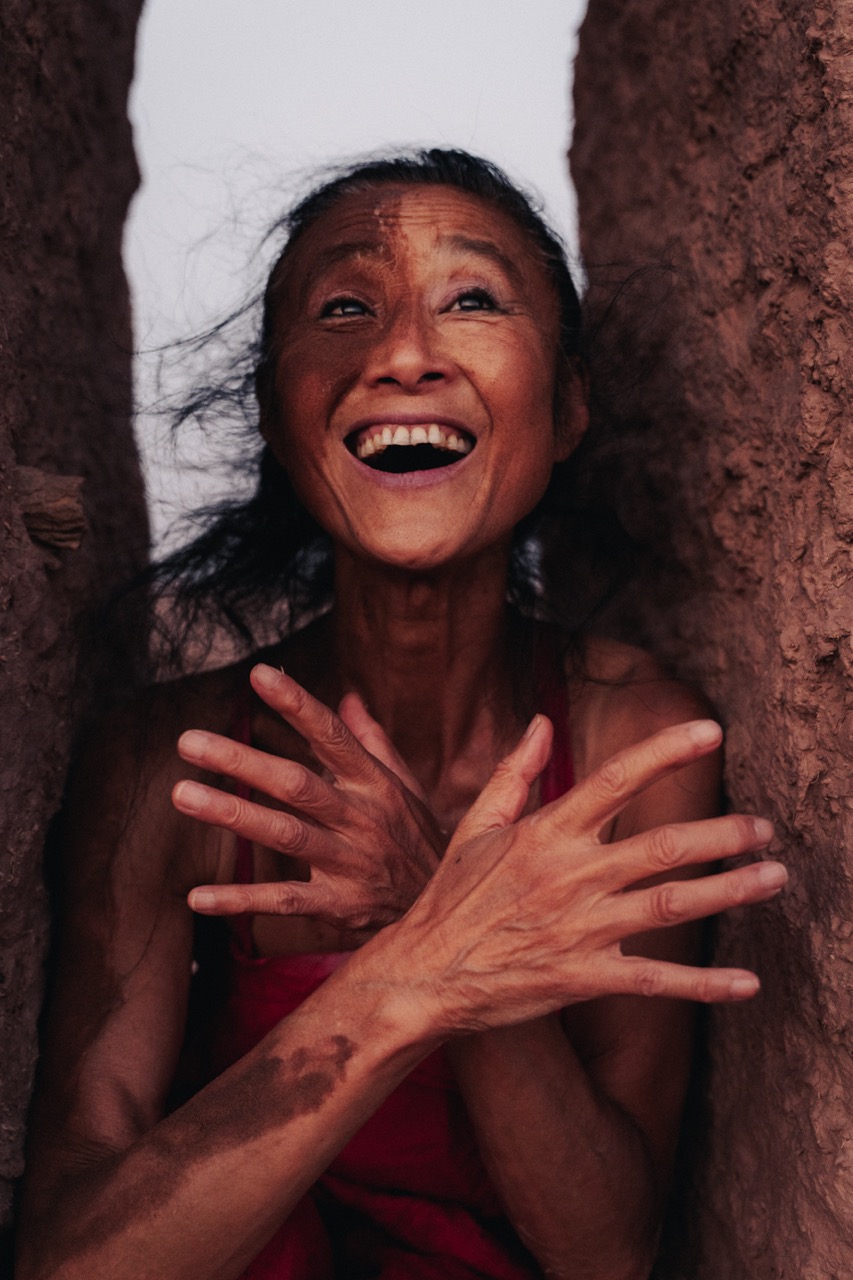
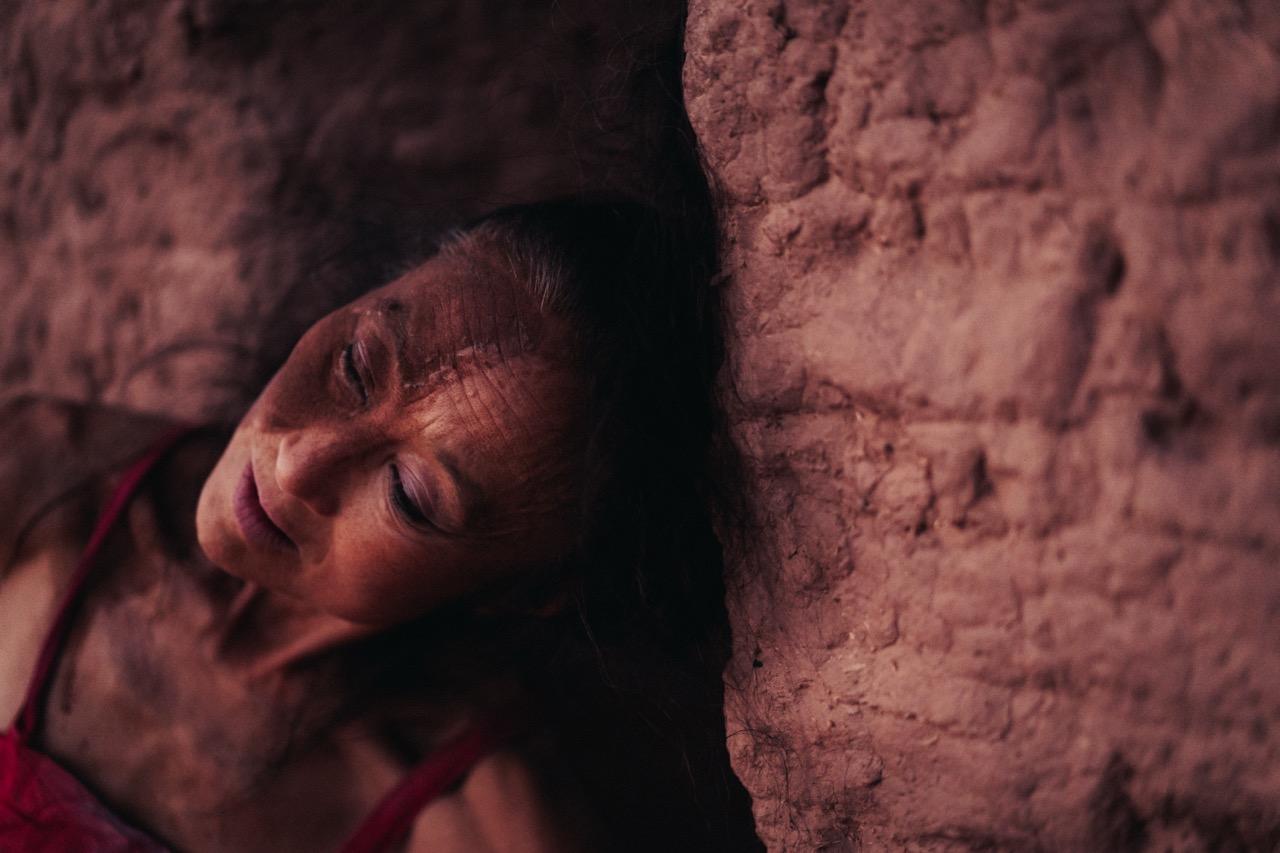
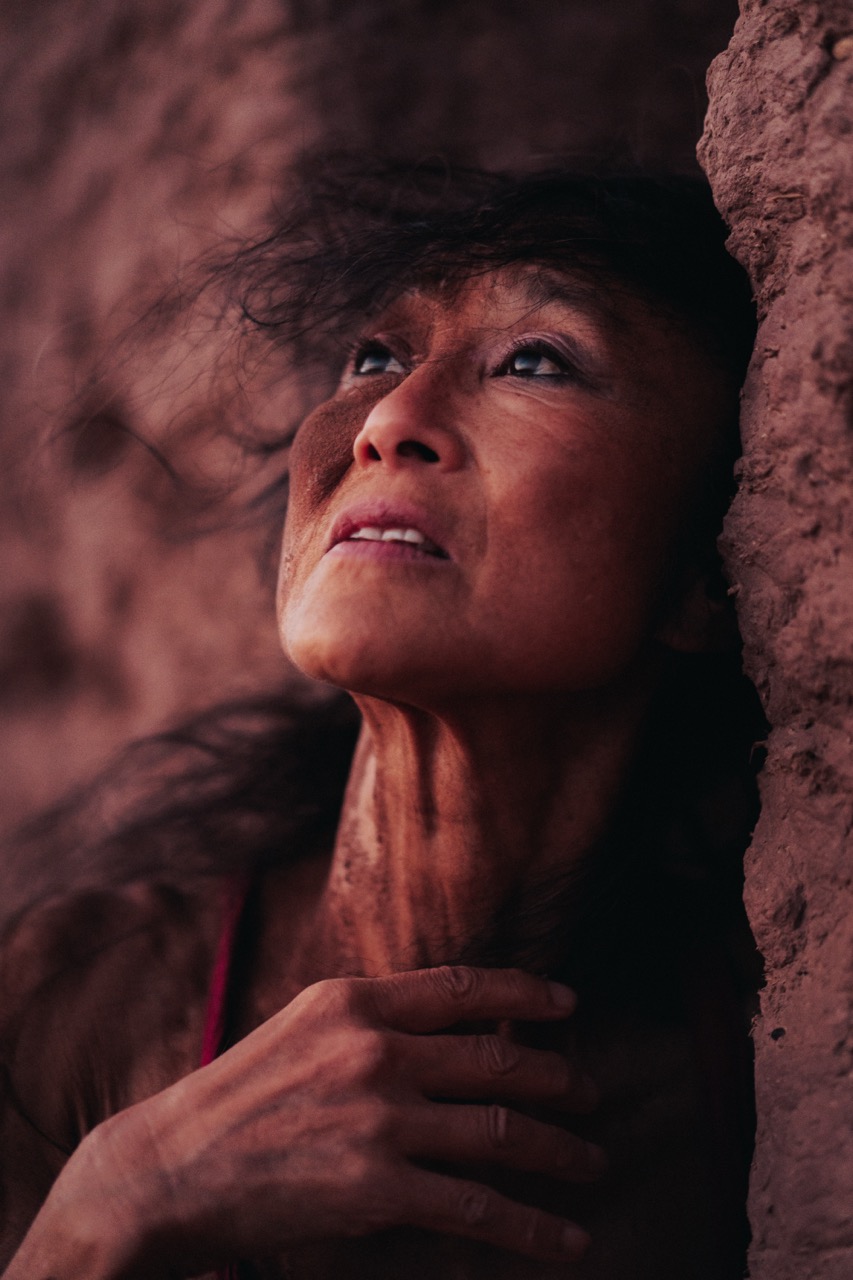
Yumiko Yoshioka is a Japanese Butoh dancer and choreographer from Tokyo, based in Germany since 1988. She was a member of Ariadone, the pioneering all-female Butoh company founded by Ko Murobushi and Carlotta Ikeda, and in 1978 performed with them in Paris in Le Dernier Eden – Porte de l’Au-delà, the first Butoh performance presented in a public theatre outside Japan.
In Berlin, she later co-founded tatoeba THÉÂTRE DANCE GROTESQUE with Minako Seki and delta RA’i, experiences that helped shape her own distinctive approach to performance and choreography.
Since 1989, Yumiko has developed and taught Body Resonance, her method of bodywork rooted in deep bodily awareness, inner perception and the rediscovery of subtle beauty in everyday life.
In 1994, she co-founded TEN PEN CHii ART LABOR, an interdisciplinary experimental arts collective, and has since initiated numerous collaborative projects and Butoh festivals across Europe.
She continues to perform, create installations and teach internationally, expanding Butoh as both an artistic practice and a way of perceiving the body, consciousness and the world.