They live together. They practice together. They heal together.
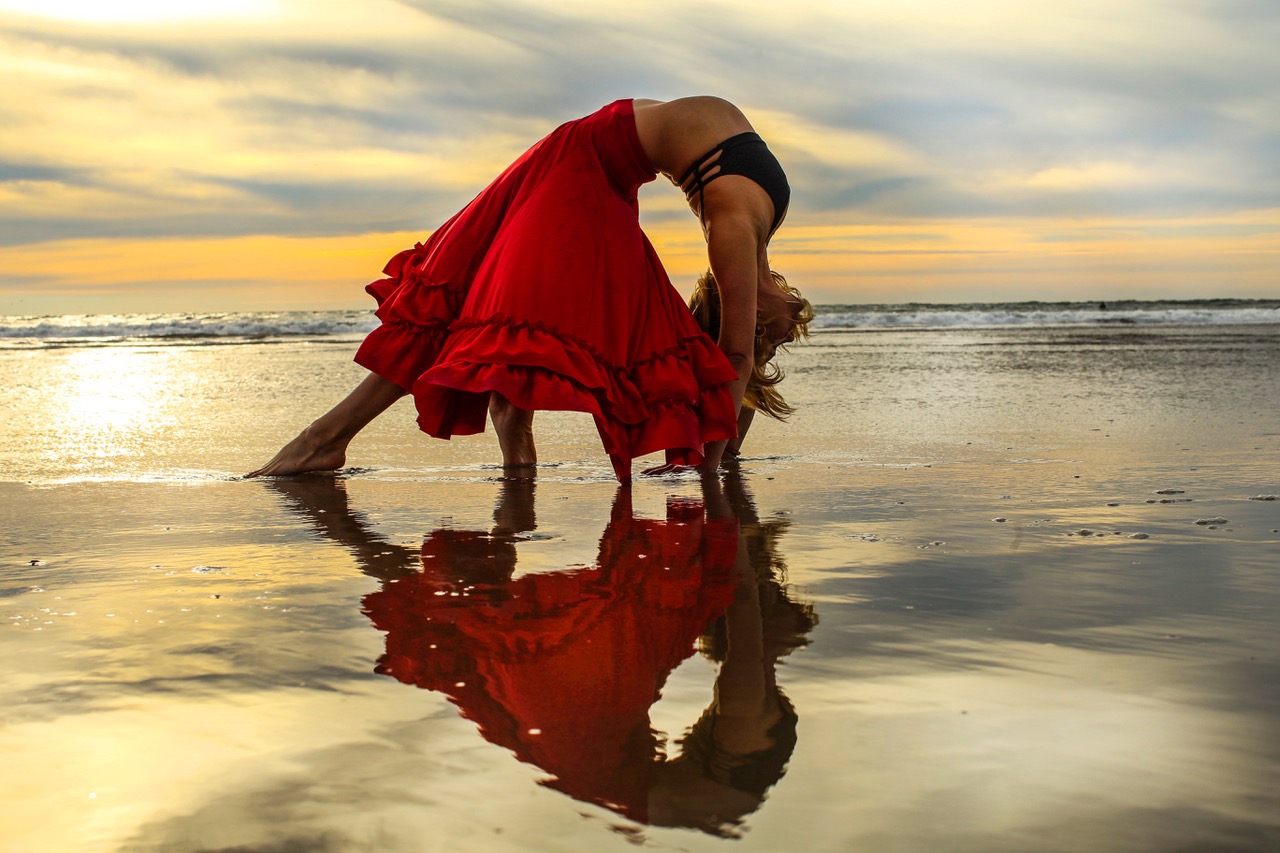
and dedicated yoga practitioner, Robert Sturman has increasingly focused on capturing the timeless grace and embodied mindfulness of āsana (yoga postures) in his photography. He describes the inspiration inside his process:
“I often think of Rumi's words: 'I can't stop pointing to the beauty.” That feels right to me.”
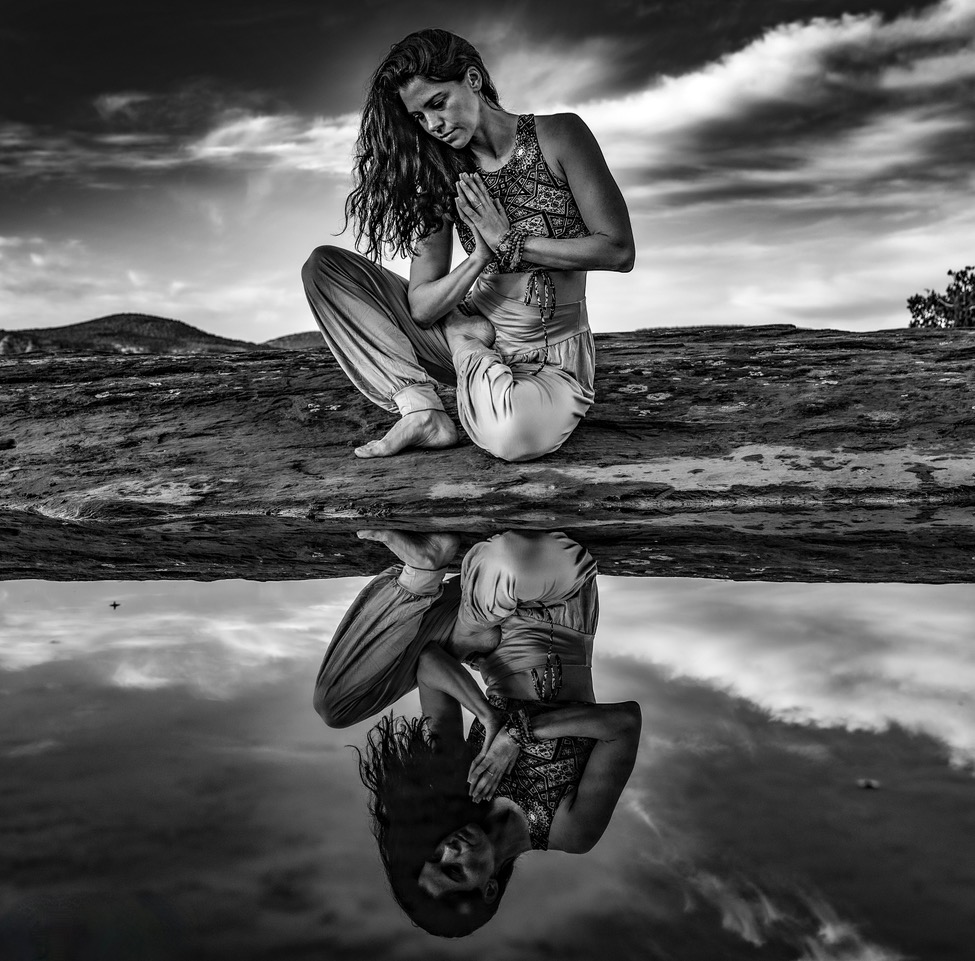
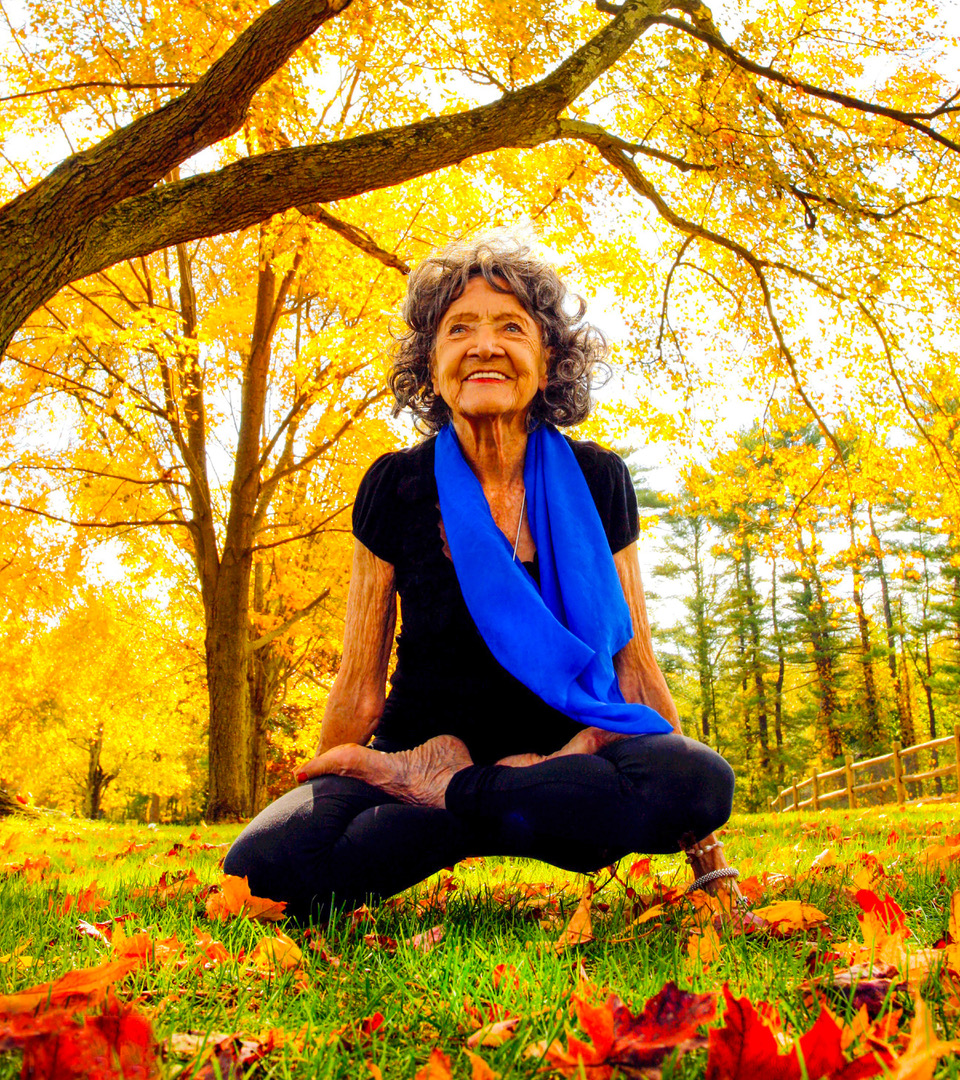
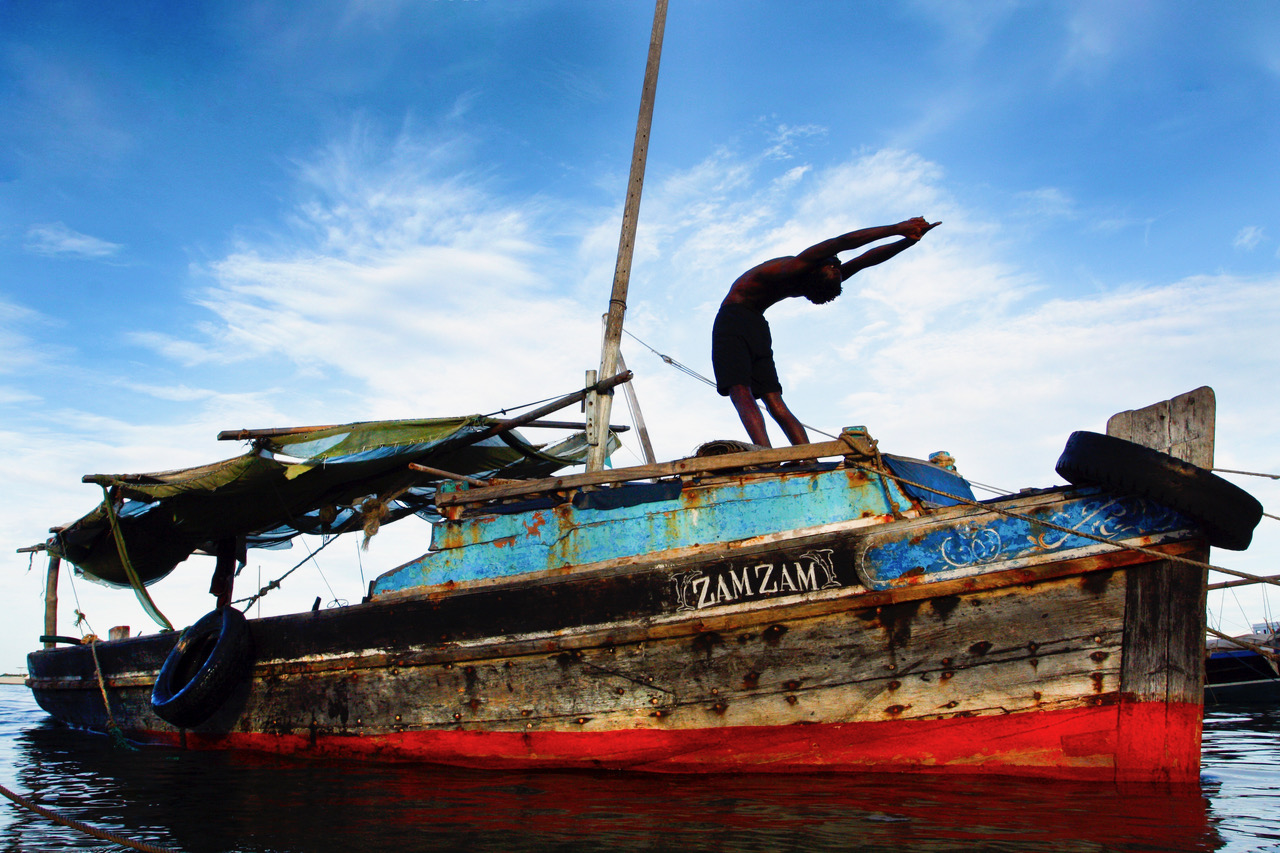
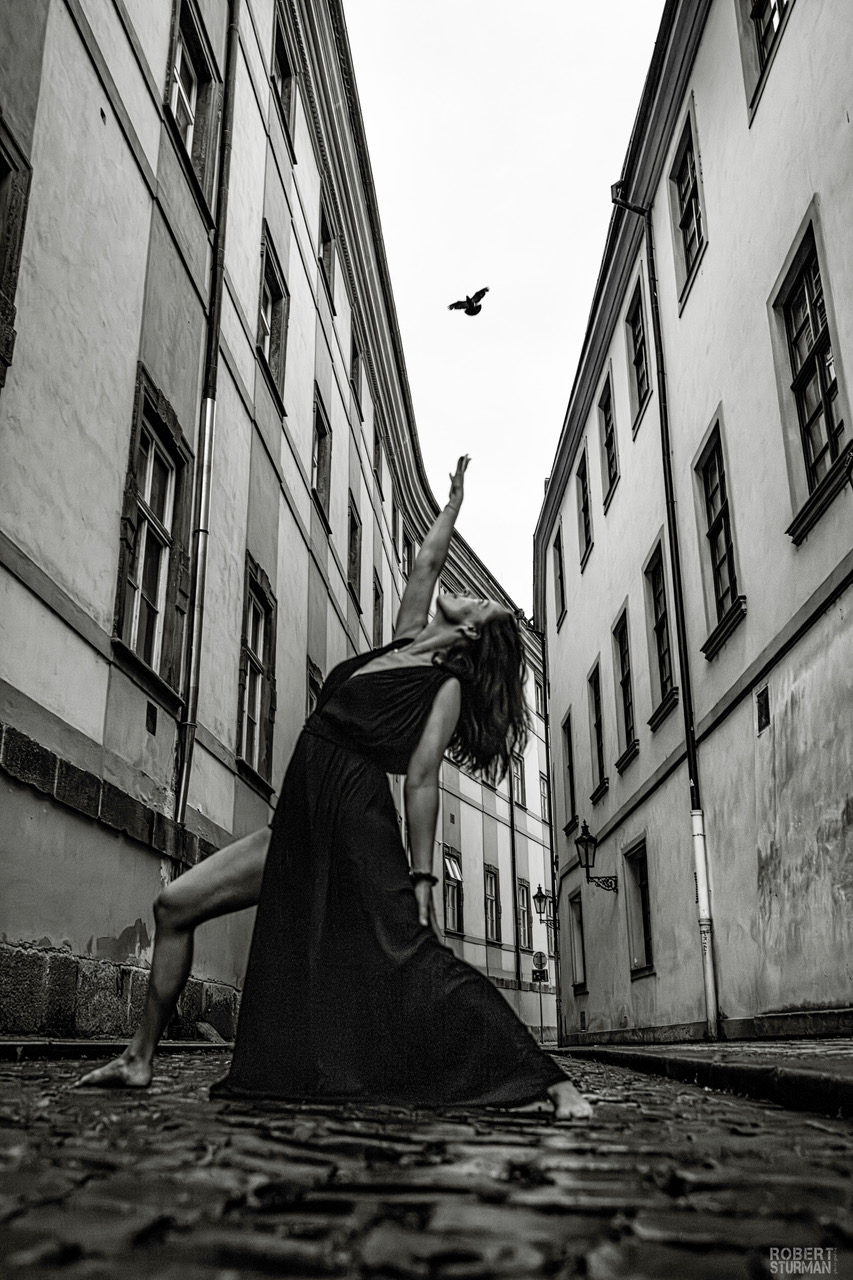
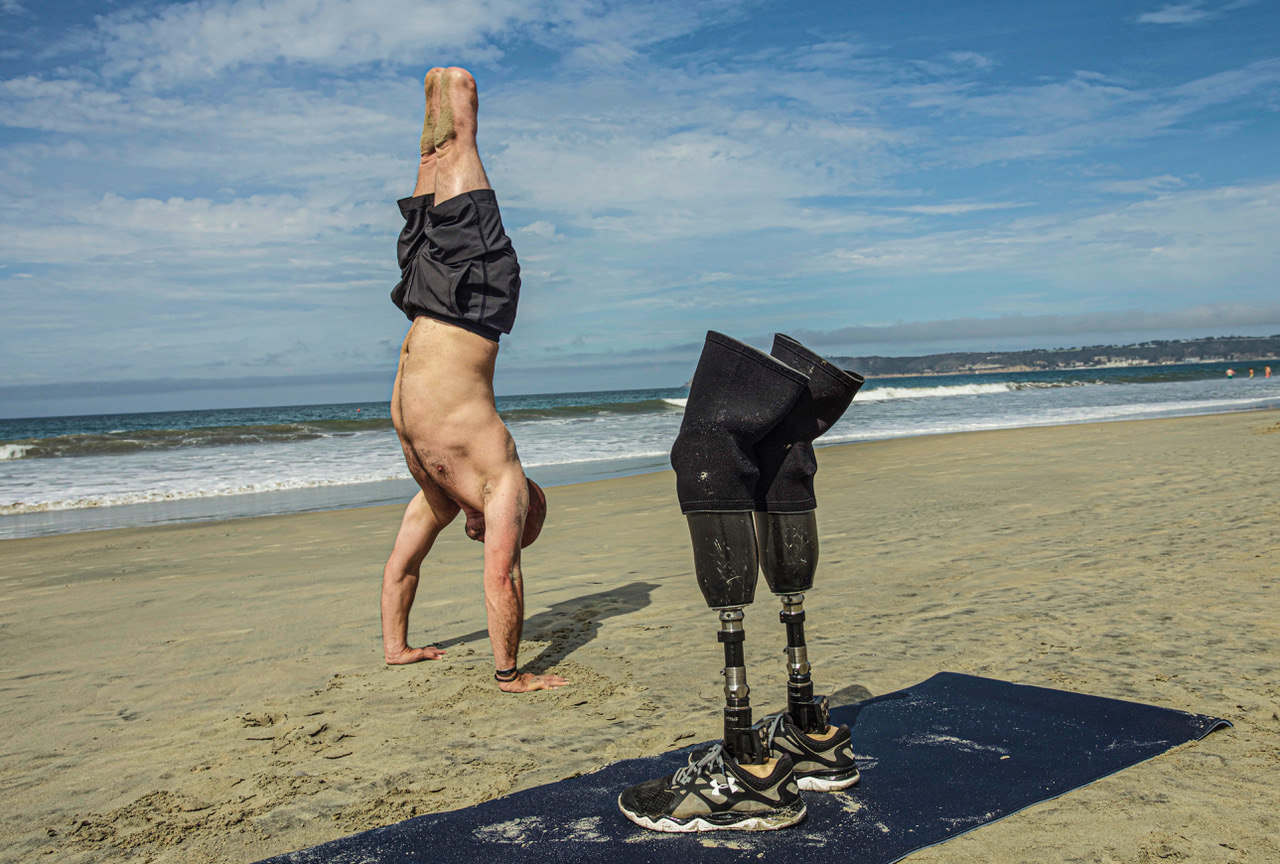
The images Robert shares with us are sacred moments captured of people in deeply devoted practices.
Robert isn’t taking pictures. He’s making pictures with them.
What is it like to be seen, not from a position above or “better than,” but straight on, as an equal artist in the creative process of life? –one in āsana, the other holding a camera. What is it like to see back?
I invite you into their images–their art, to recognize our shared humanity. Allow me to contribute something, too: a practice, meant to slow down the page turning.
The compassion meditation practice, “Just Like Me,” was taught to me by my teacher at the same time Robert was learning yoga in LA, now decades ago. This practice is an invitation to be with your senses, whatever arises–to touch our shared humanity and call forth a reflection of hope.
This person was once a baby, born into this world, just like me.
This person was once a child, a little vulnerable child, just like me.
This person has had happy times in their life, just like me.
This person is creative, just like me.
This person has loved someone, just like me.
This person has had their heart broken, just like me.
This person has been sad, angry or hurt, just like me.
This person is sometimes scared and worried, just like me.
This person has known physical pain, just like me.
This person will be young and old, friend and enemy,
just like me.
This person has regrets, just like me.
This person wants to be loved and understood,
just like me.
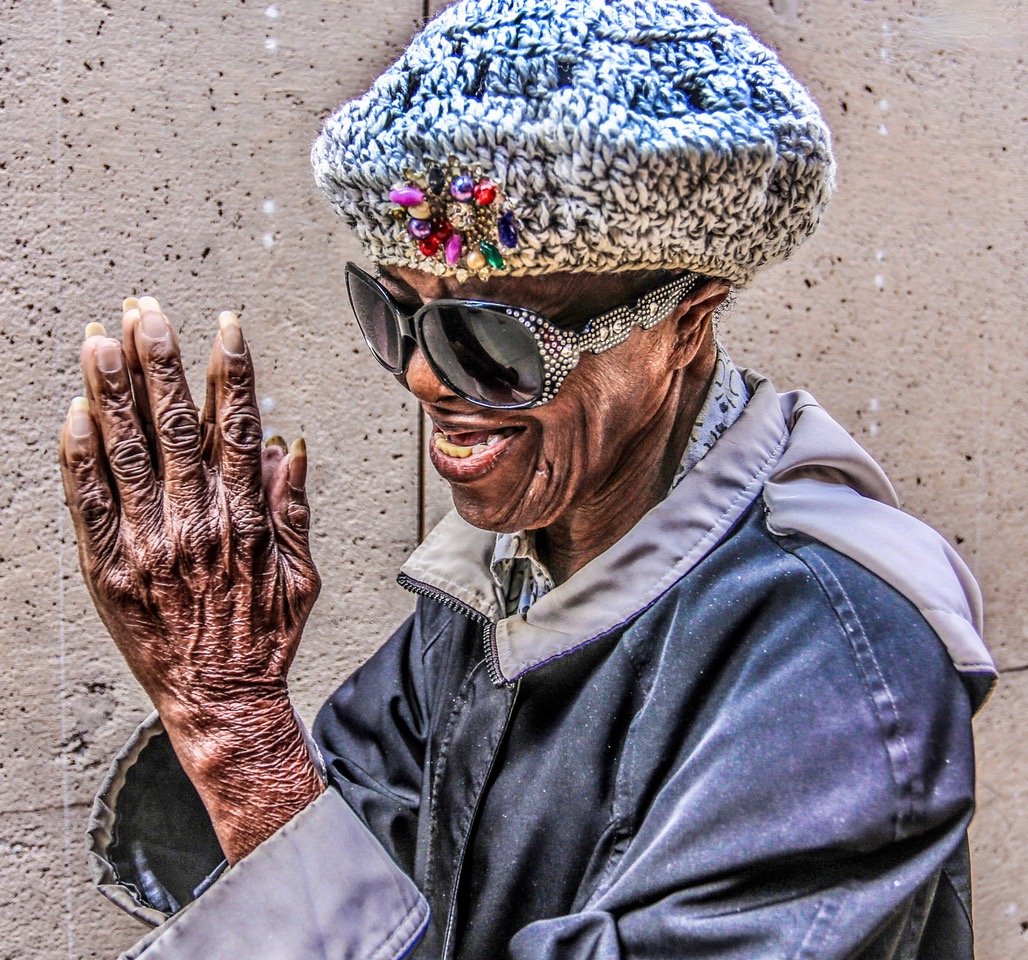
Look at their eyes, look at the image,
seeing with the heart.
Imagine them as a child, laughing,
playing, joyful times.
The spirit of the child is still in them,
just like me.
This person wants to be seen and heard, just like me.
This person wants to be safe and healthy, just like me.
This person wants to belong, just like me.
This person wants to be happy, just like me.
I wish you strength and healing in your life
so you can offer your unique gift to the world,
just like me.
I wish for you love and compassion;
for you are a human being, just like me.
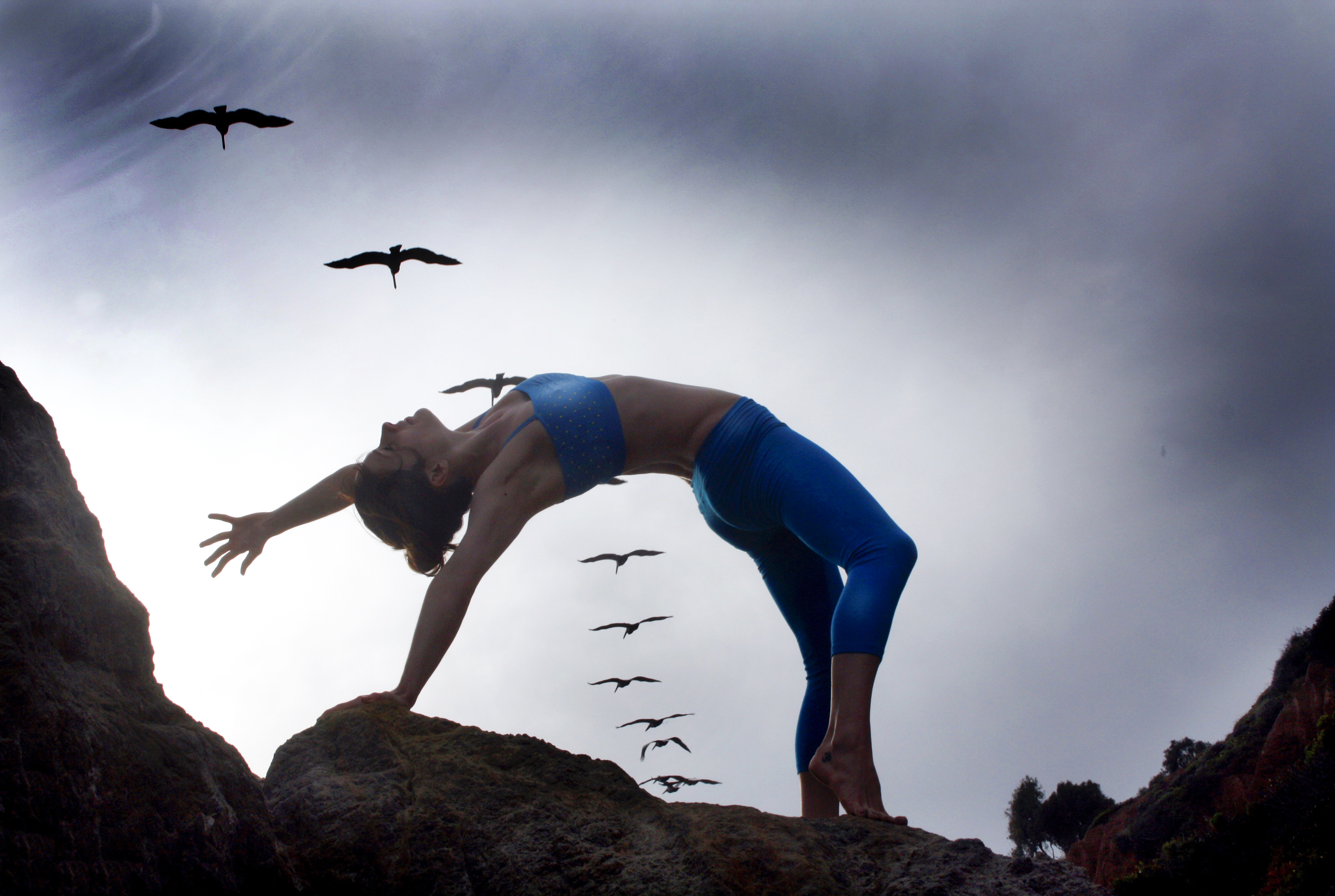
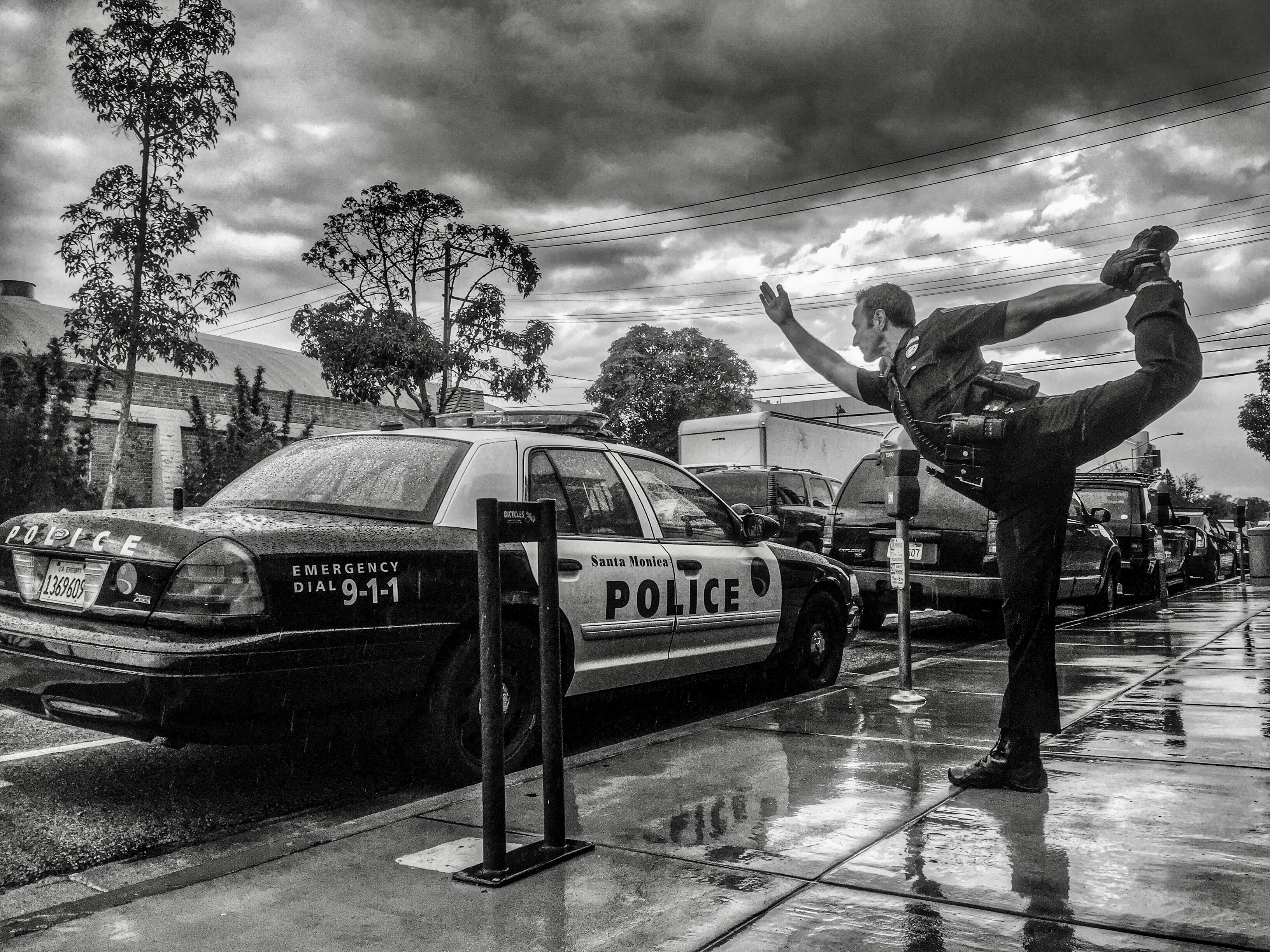
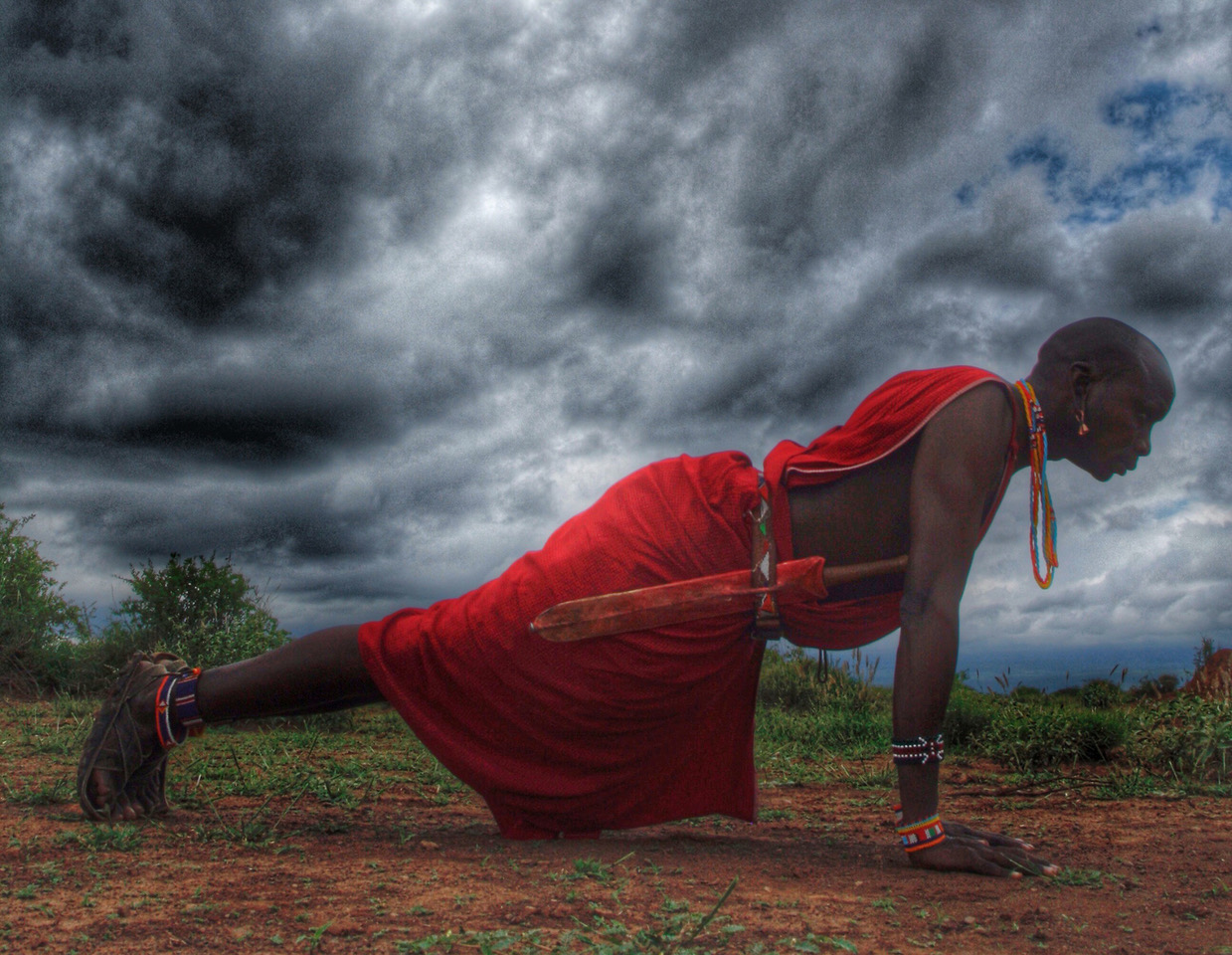
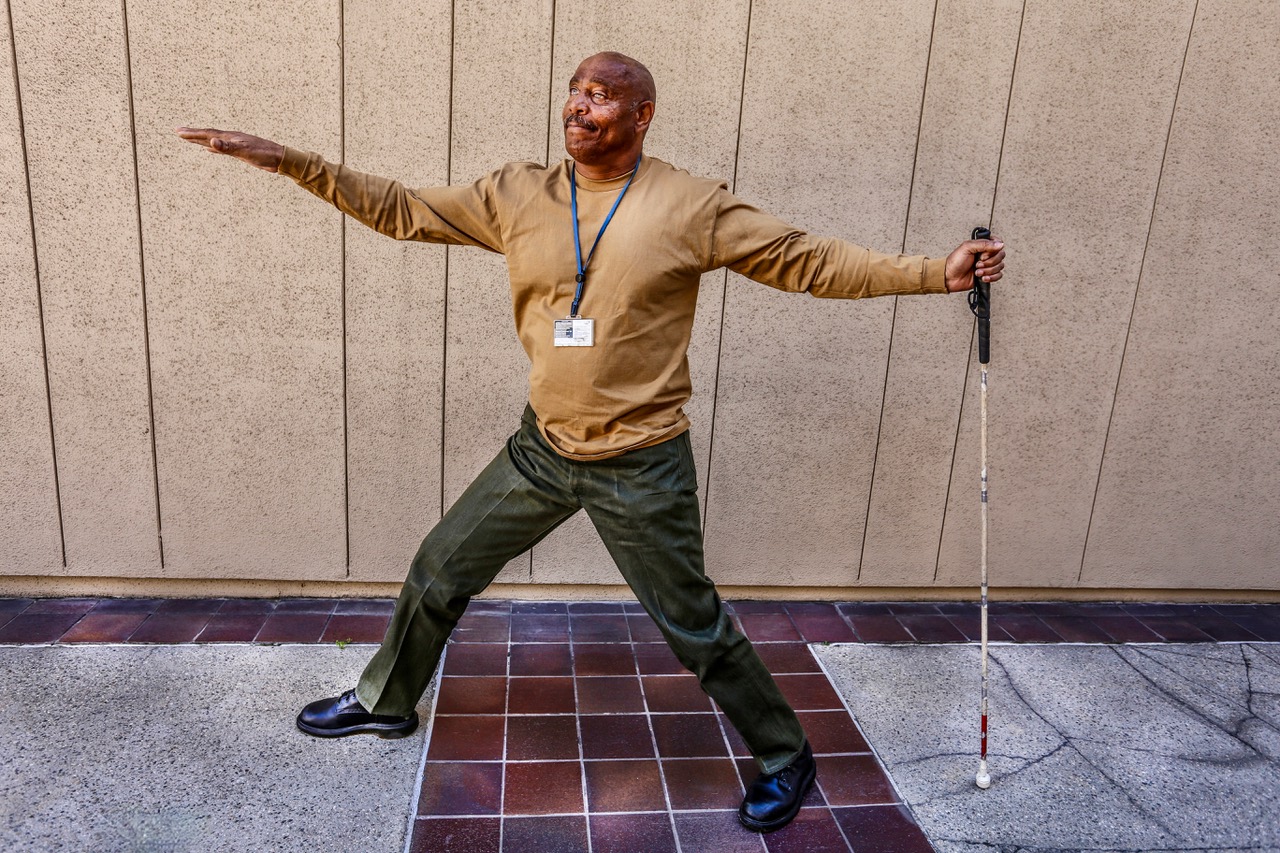
When I was 14, my dad handed me my first camera.
I asked him what I should photograph, and he simply said, “Anything you love.”
Little did I know those few words would shape my entire life—teaching me not just how to see but how to truly honor the world around me.
As I photographed so many people around the world,
I noticed something truly remarkable:
My work started to evoke the timeless stories that artists have told throughout history, celebrating the beauty and magnificence of the human spirit.
My work is not a fantasy of a better world somewhere else.
It’s about focusing and paying attention to the beauty and wonder of the world we live in today, while also shining a light on people and places that are often overlooked and misunderstood.
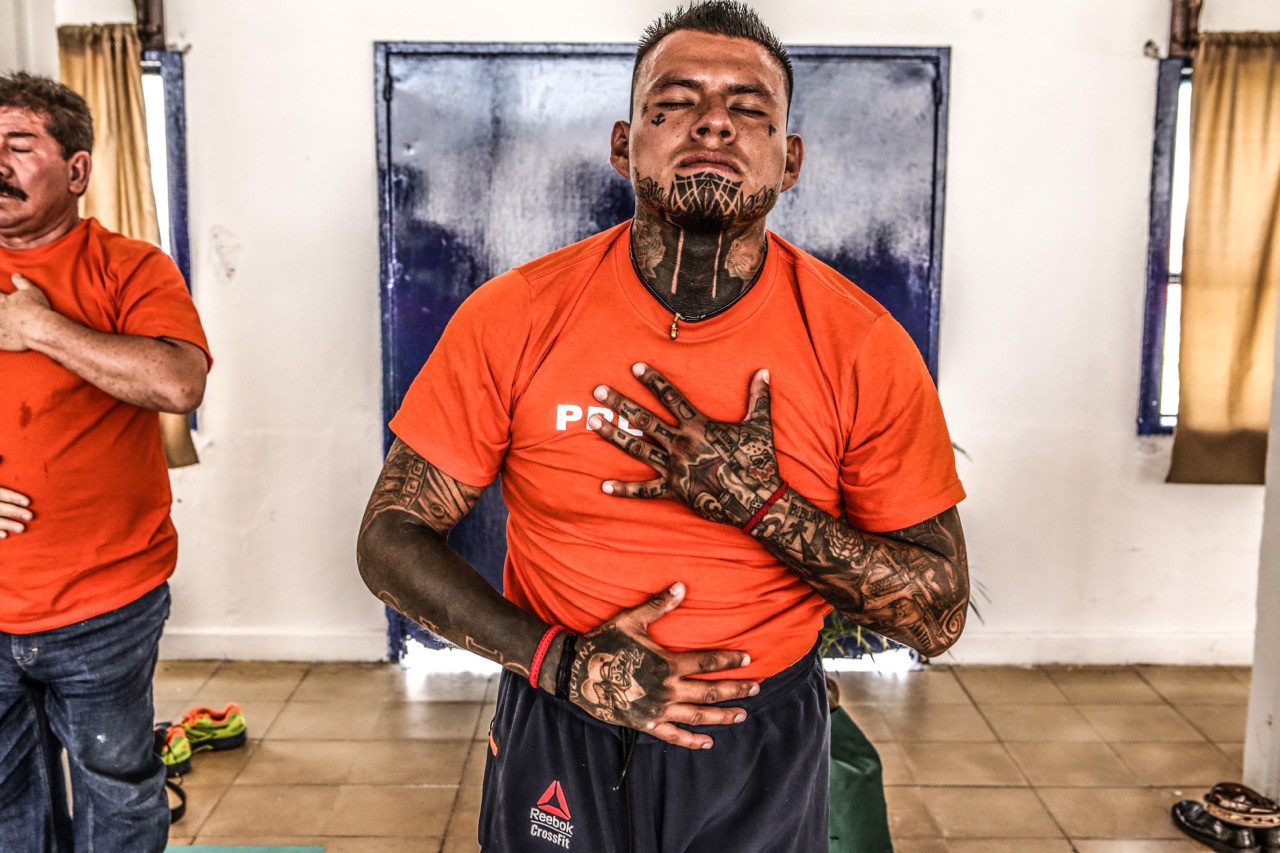
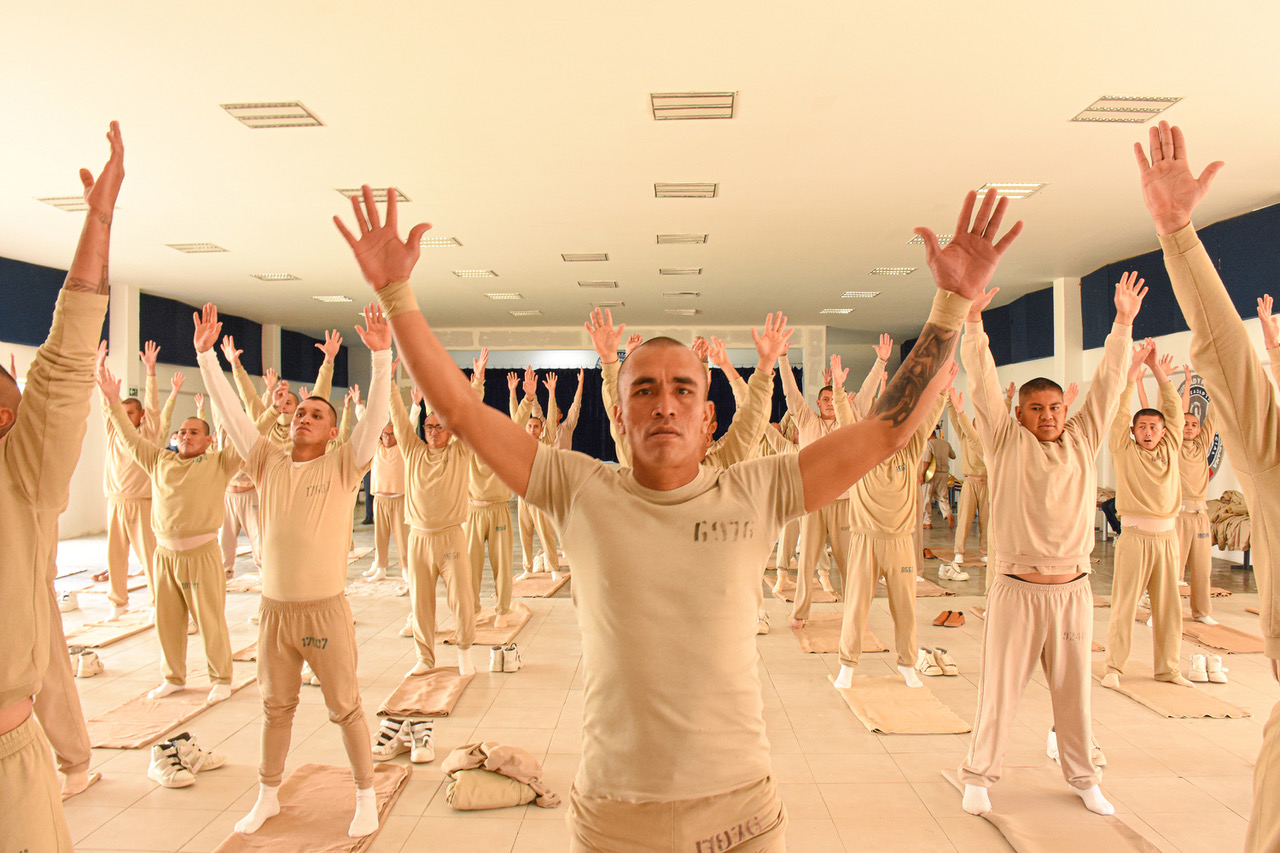
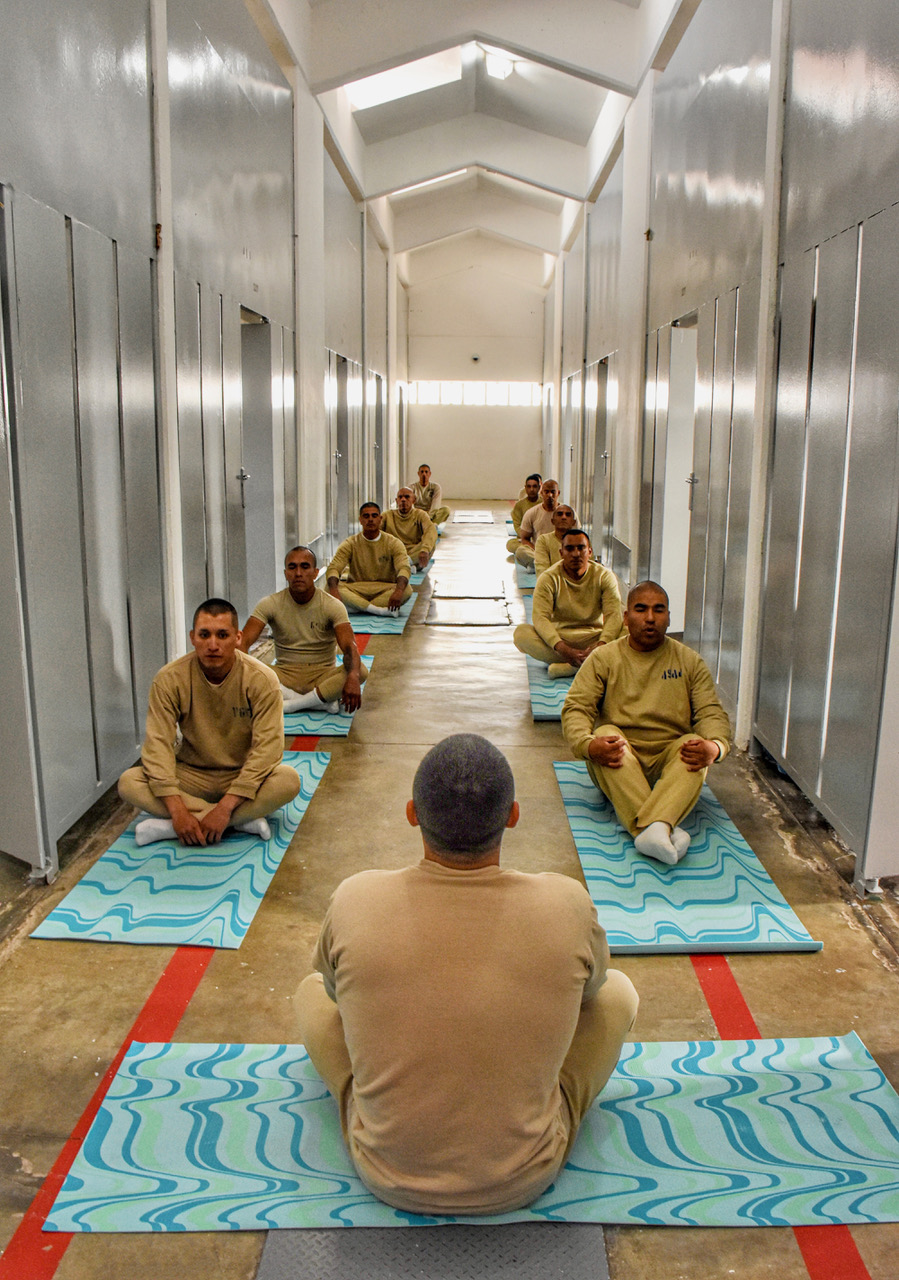
Somewhere out there in the world—in fact, all over the world—there are small communities of human beings seeking healing. Behind the walls of this maximum security federal prison in Nayarit, Mexico, men gather to sit in stillness, to meditate.
To practice.
A warden once told me after I spent the day photographing in her prison,
“I noticed that the ones who do the yoga and meditation make better choices."
And I thought to myself:
“I also make better choices when I do these things.”
Those words from the warden sent me off on a global journey, photographing anyone and everyone, anywhere and everywhere, using the language of yoga to tell an incredible story of human beings in pursuit of being better at being human.
These photographs from a yoga class in a Veracruz, Mexico maximum security federal prison are a reminder that healing, self-compassion and growth can flourish even in the most unexpected places. What struck me about this prison wasn’t just the weekly yoga sessions the Prison Yoga Project offered in the main hall but the daily gatherings at 4:00 p.m., when the men would practice together in their cellblock.
It became their sacred space, a cathedral of resilience, reflection and connection.
Occasionally, the authorities grant me permission to photograph individuals in various parts of the prison facility beyond the classroom. Although working within the community offers many opportunities to observe the emotional impact of imprisonment, the rare moments when I can work one-on-one are particularly profound. During these times, we delve deeper into the isolation and loneliness that come with incarceration.
There, I find sincere human beings cultivating tools, processing trauma and doing their best to create more space within themselves.
Healing, finding stillness, they transform the weight they carry into something lighter.
May we all find the courage to confront ourselves in this life and embrace who we truly are.
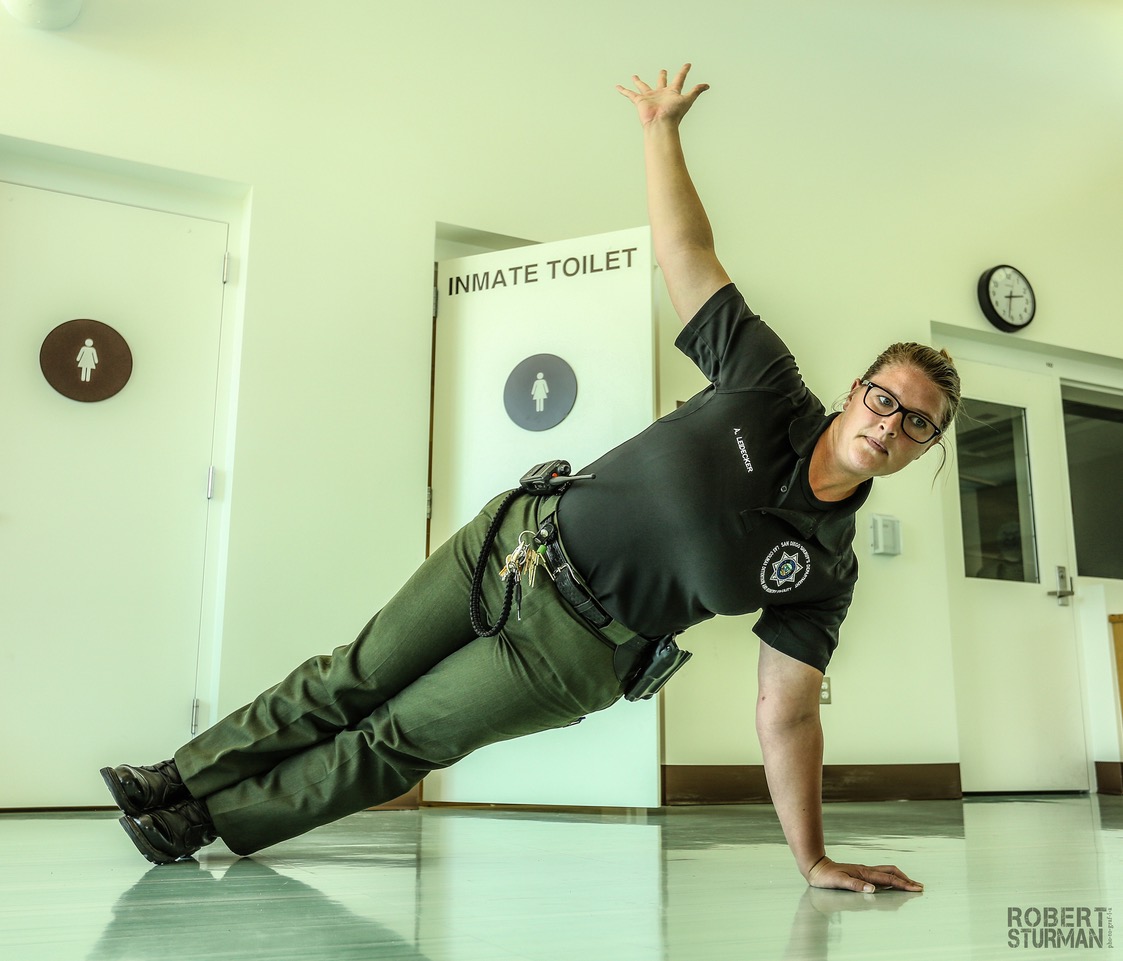
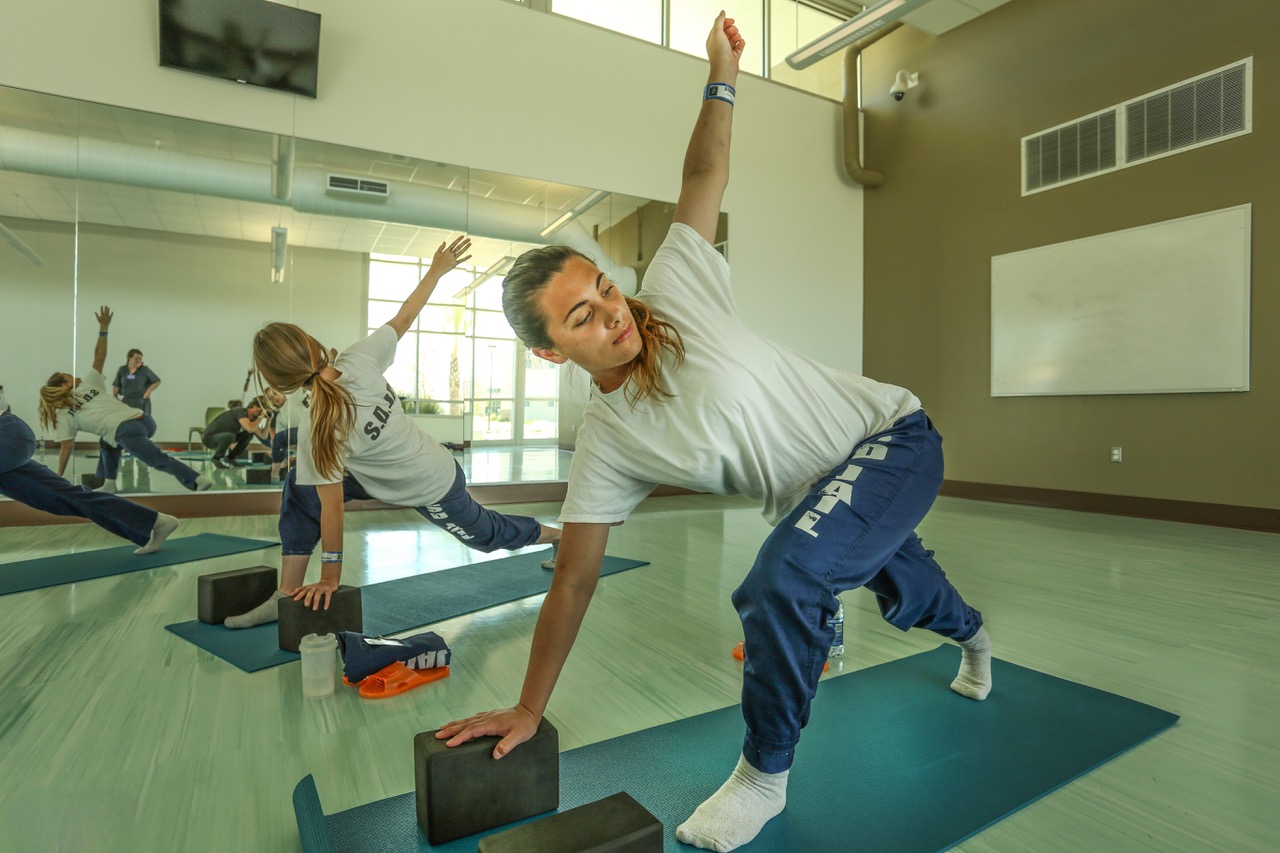
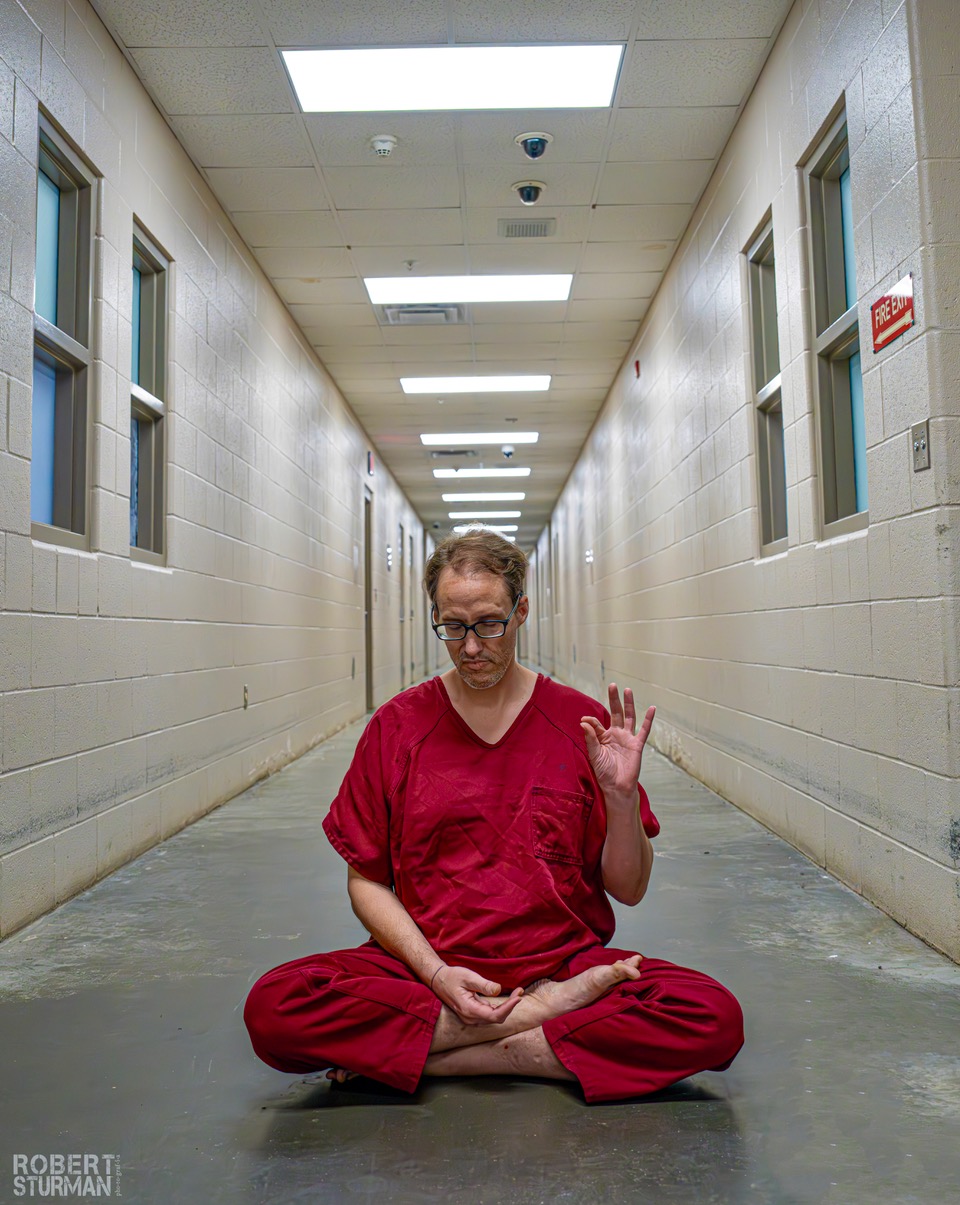
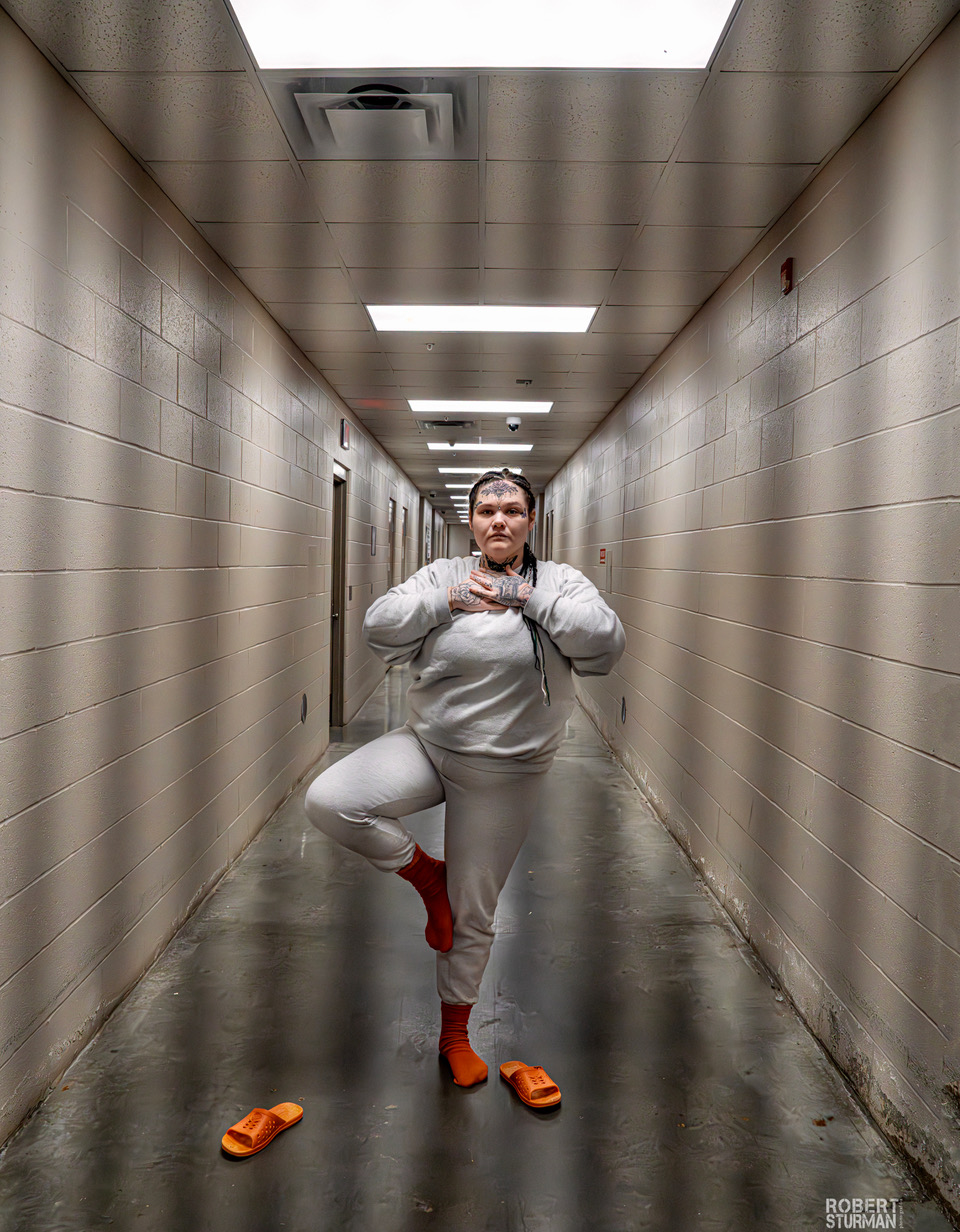
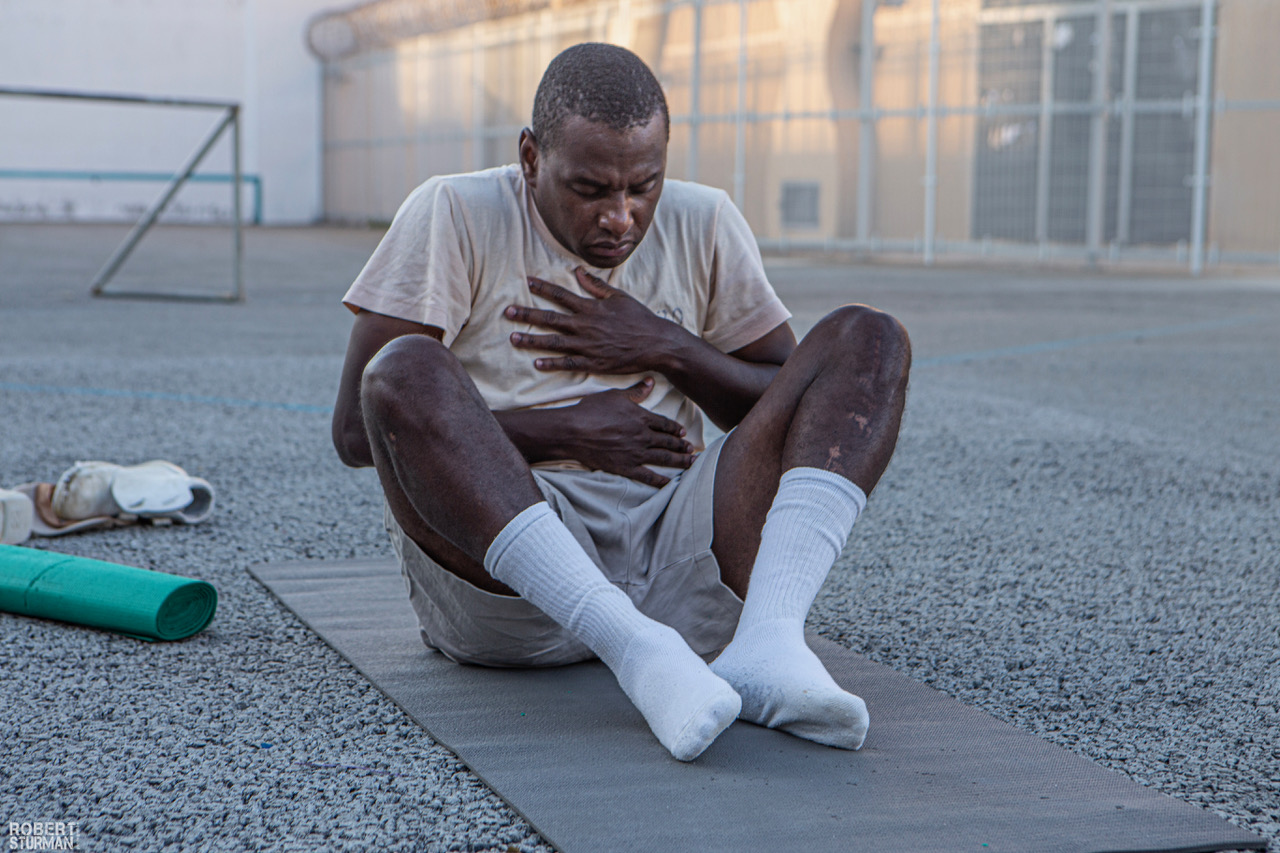
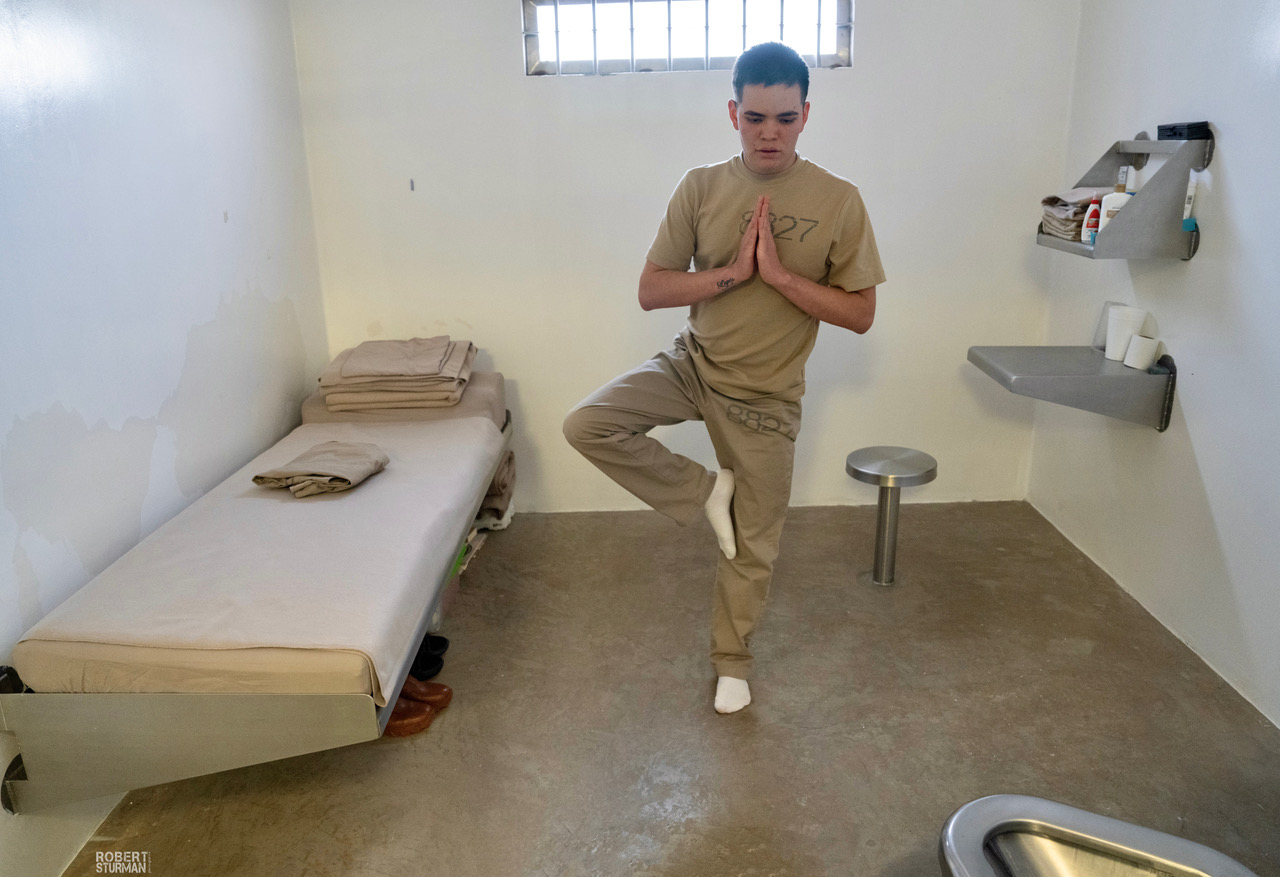
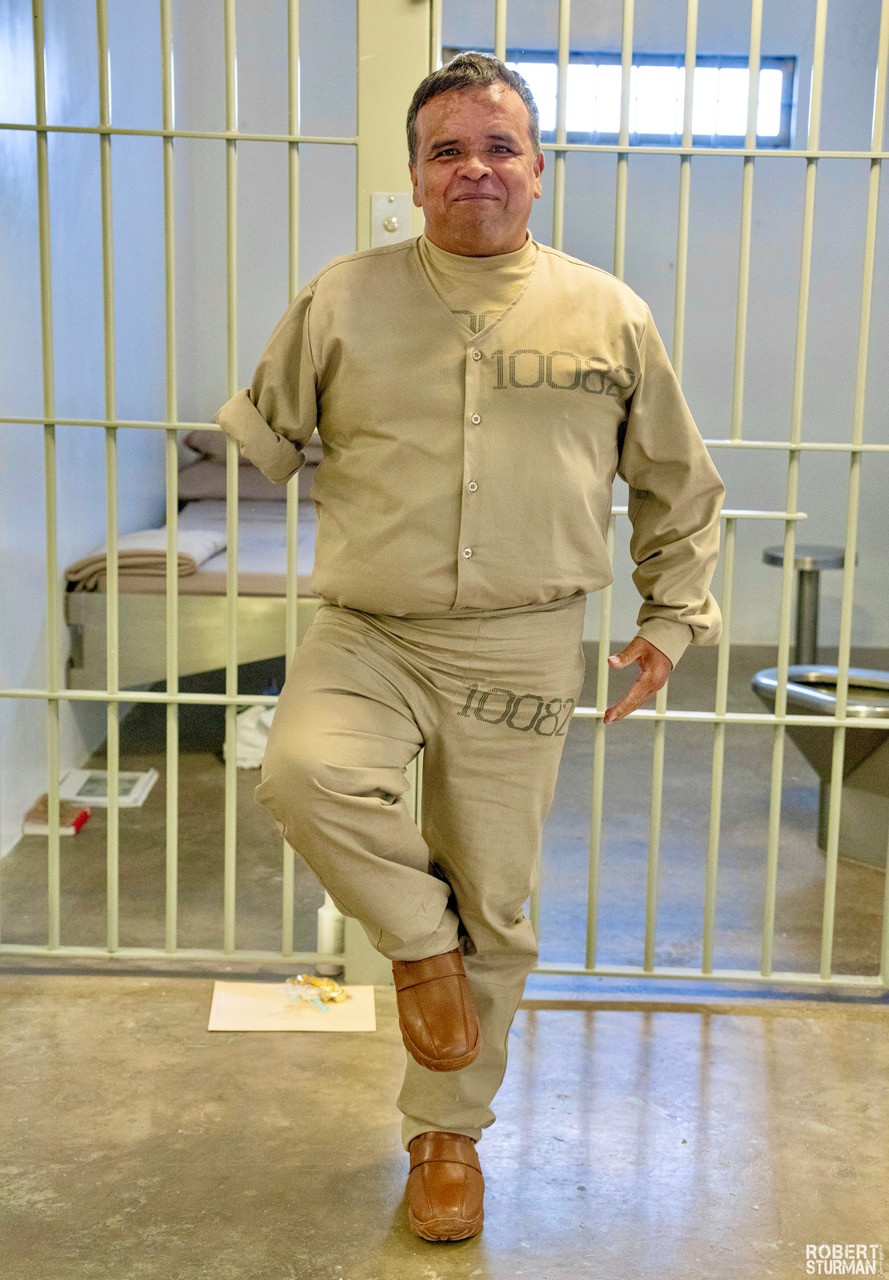
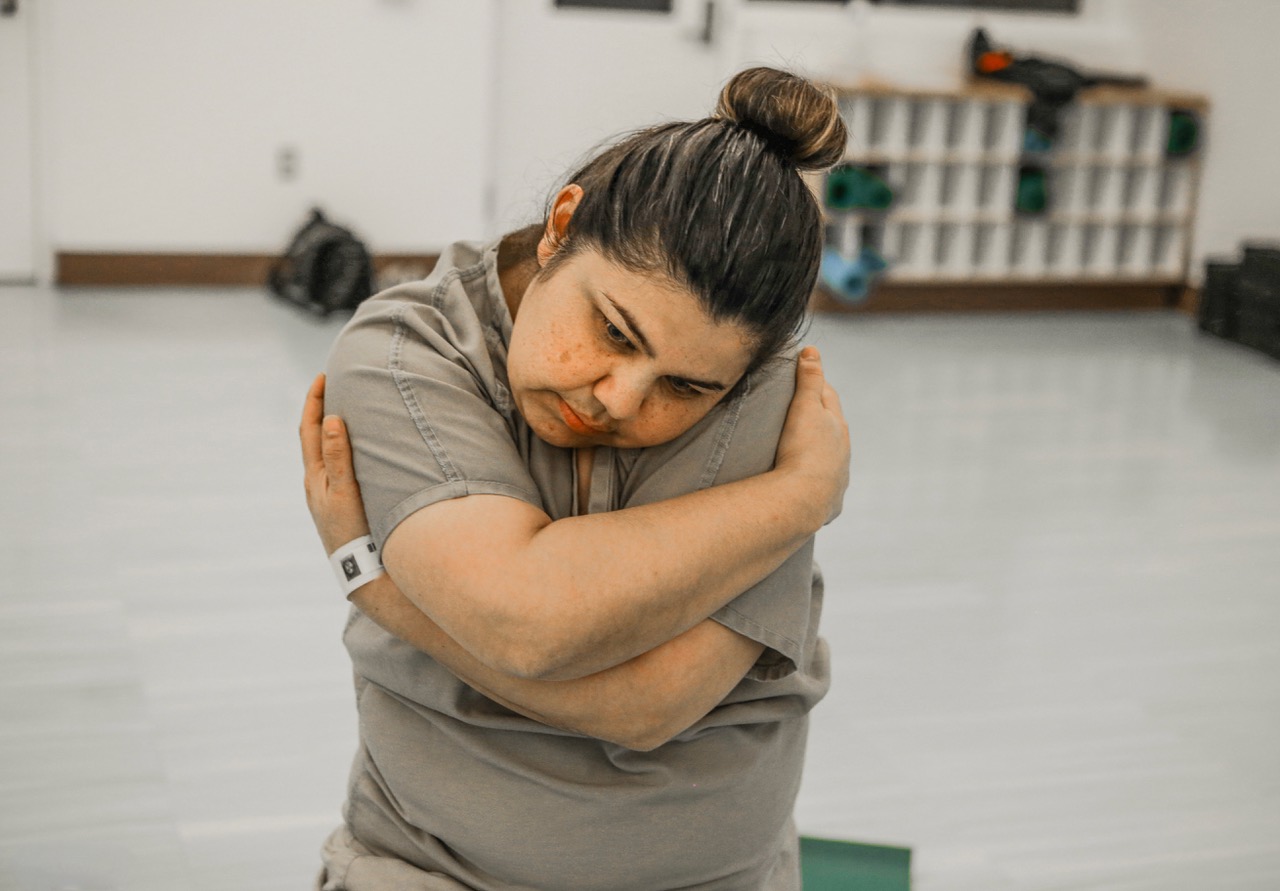
Some faces, some stories, stay with you forever.
His tremendous effort reminded me that healing belongs to anyone and everyone
willing to try.
If our civilization were lost and archaeologists uncovered these images a thousand years from now, I believe they would be deeply moved and ask:
Who were these extraordinary beings
–so connected to themselves and the Earth?
–reaching, longing, praying, opening their hearts to the heavens
–slowing down, going within
–taking a moment to find stillness in this life?
It does not matter whether one has ever done, heard of, or even seen yoga; this is the most beautiful language I could find to tell a story of sincerity that can be felt universally,
uniting people across cultural and physical divides.
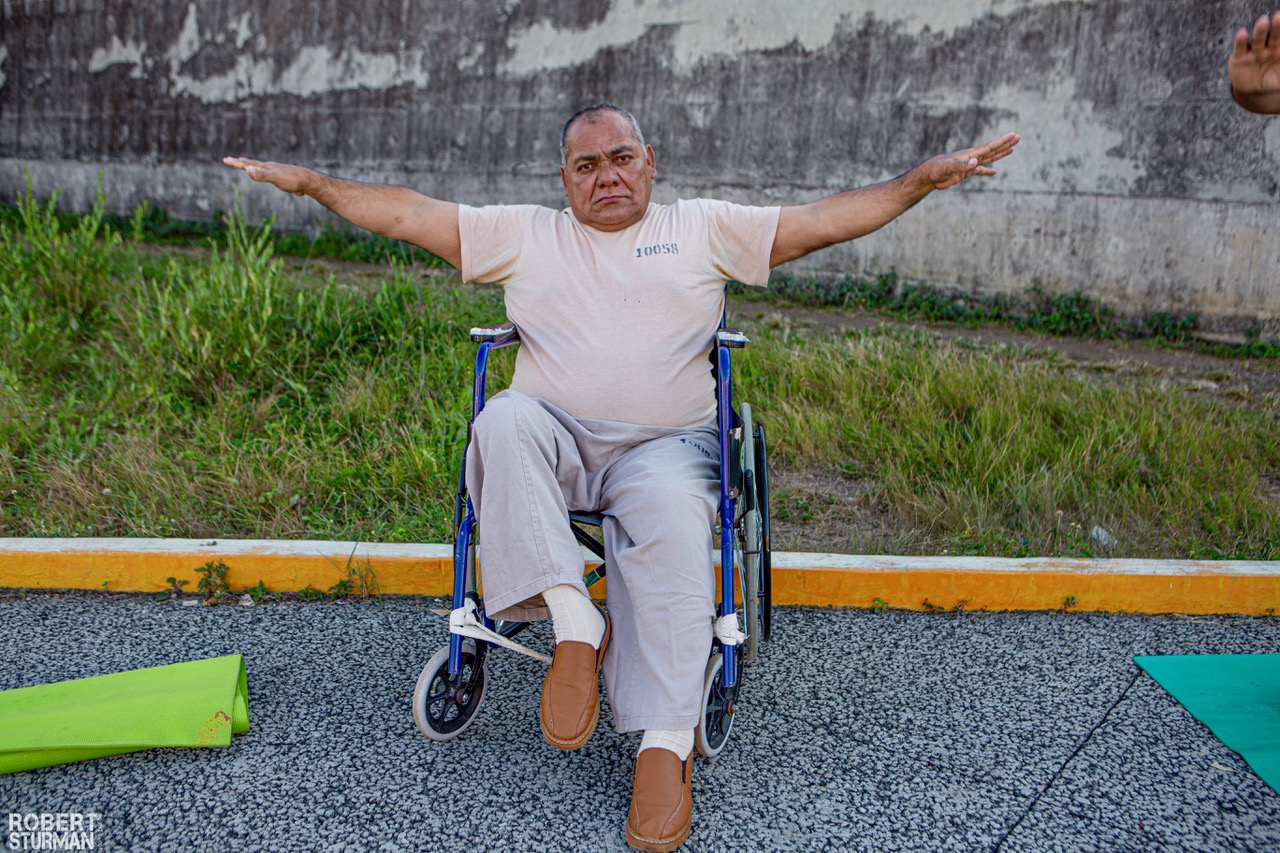
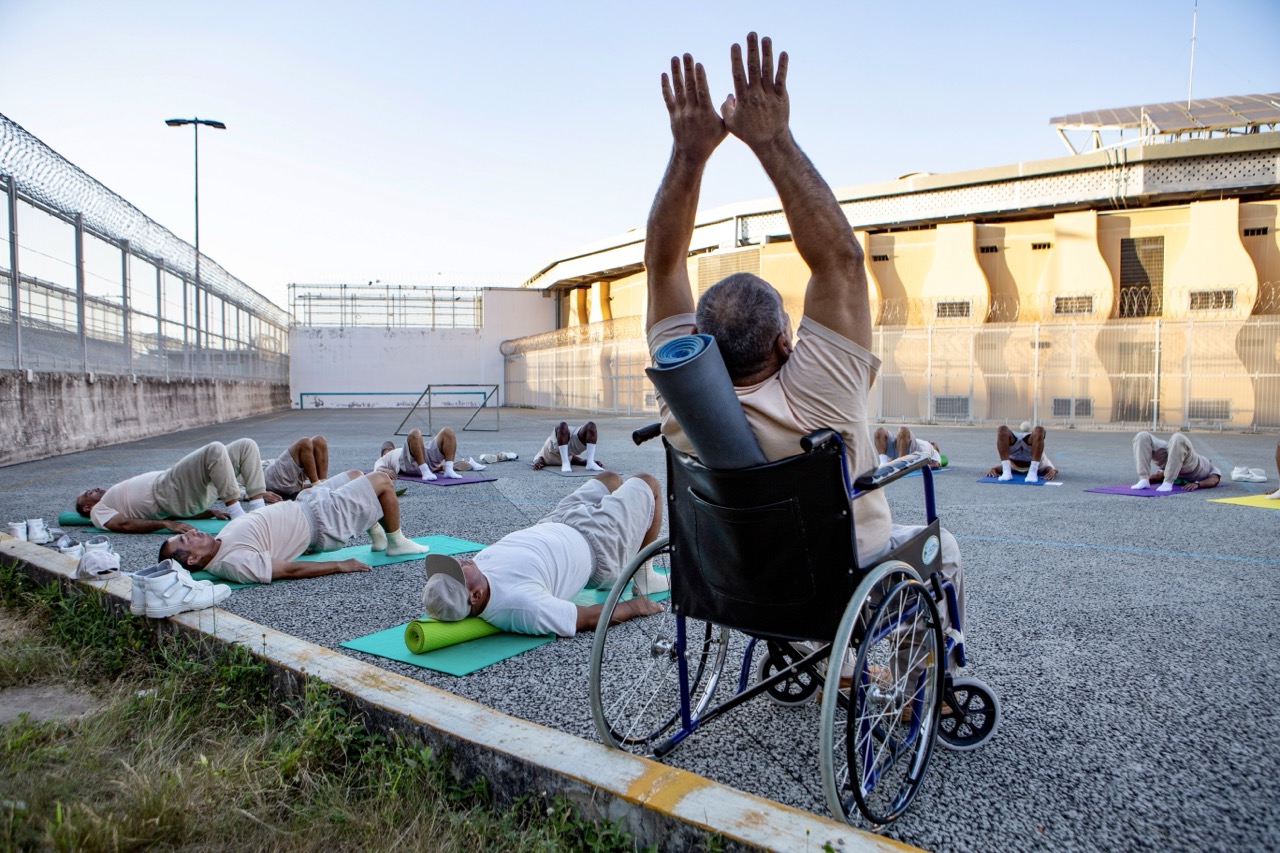
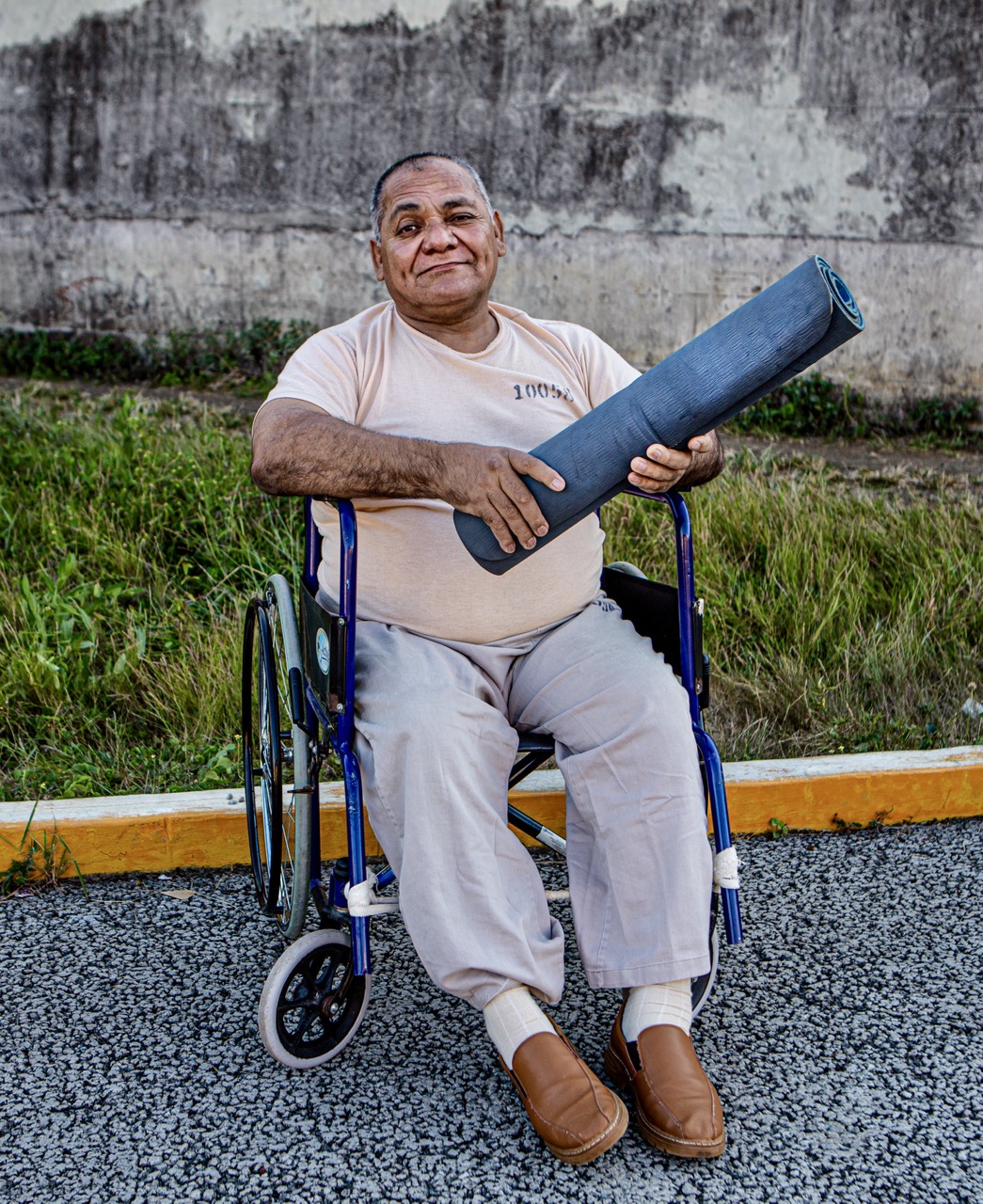
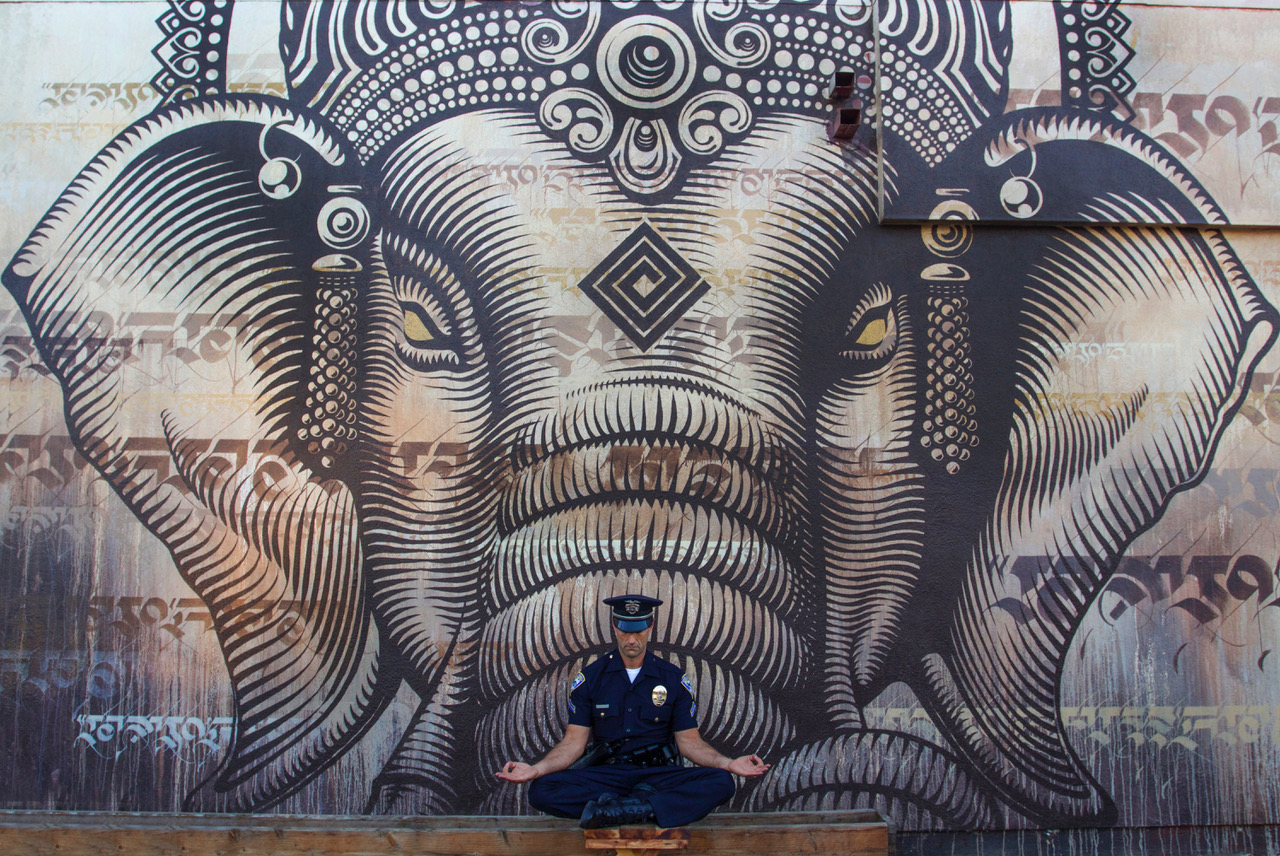
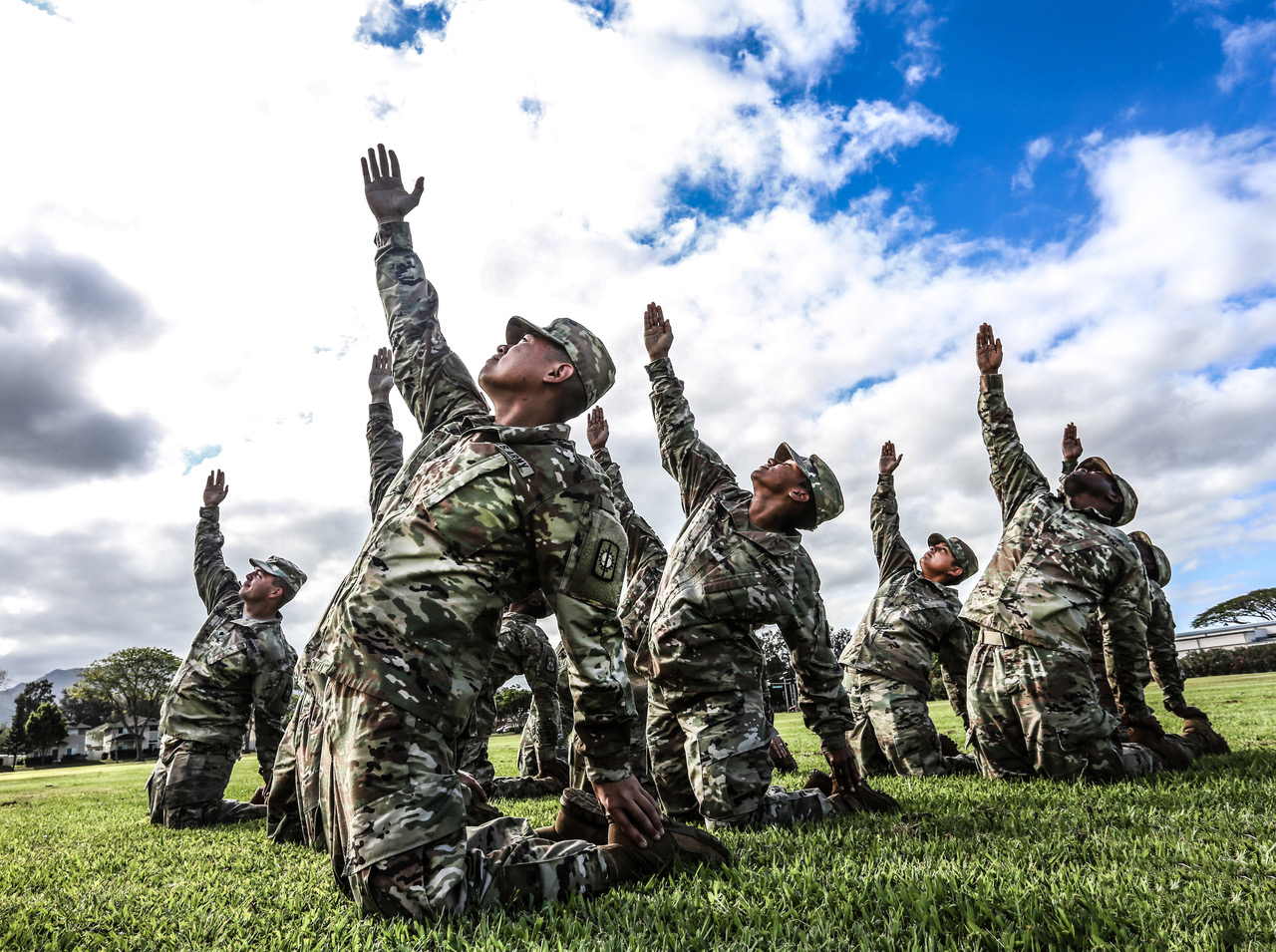
Vulnerability, strength, and beauty can be found in the most unexpected places: from a federal prison in Guanajuato Mexico to service members on active duty. I am endlessly inspired by the human beings I meet who allow me to see them and make photographs with them. As a photographer, it is my job to make photographs with them, never taking—because taking is stealing. This understanding is a moral compass that has guided my life as an artist of our world.
I was deeply touched by the generosity of the blind yogis at the Braille Institute in Los Angeles for allowing me to see them and make photographs with them, photographs that they themselves could not see.
I have had the honor of working with veterans who are devoted to a healing practice, are rebuilding their lives, processing their trauma, and learning to live again after experiencing the atrocities of war.
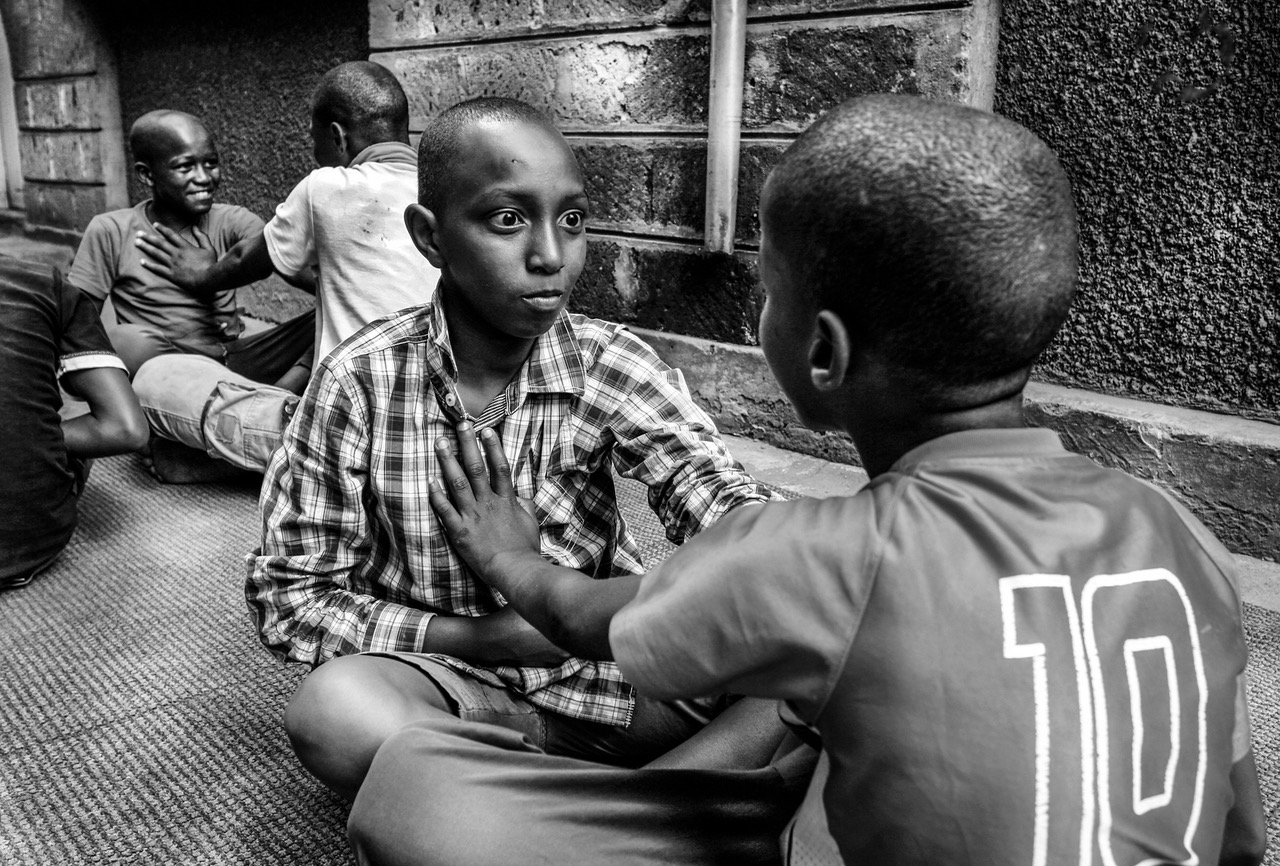
While working with women in a prison outside of Nairobi, Kenya, most of them living with HIV, it struck me that I never know when a photograph I make with someone may be their last.
And I can never point enough to the exquisite beauty of our world. Each time I make a photograph, I have the opportunity to compliment life.
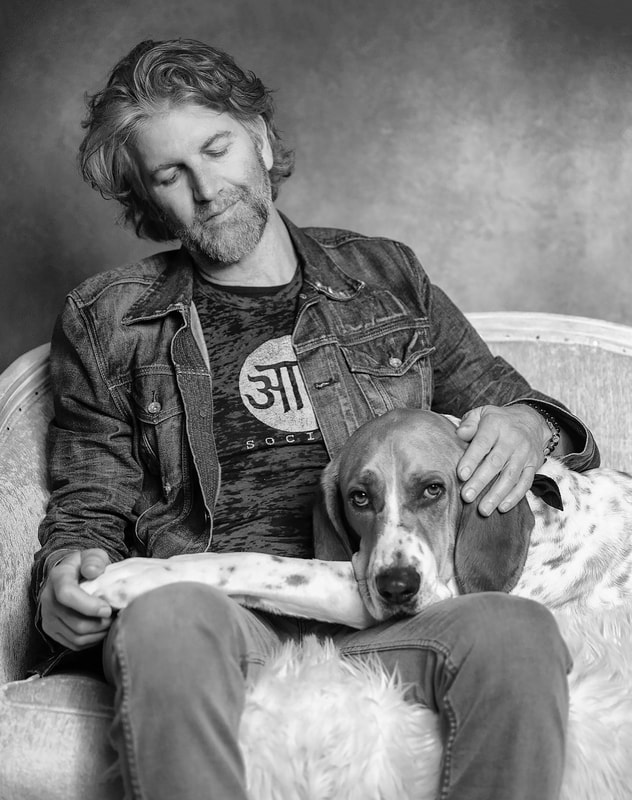
Of all the models I’ve had the honor of photographing over the years, Otis stands out as the one who captures the most hearts, as he continues to drive real change in our world. A survivor of animal testing, I adopted him in 2022. Together we’re raising awareness about the harsh realities of laboratory cruelty while encouraging people to choose cruelty-free products. His journey from imprisonment in a laboratory steel cage to being a face of animal testing on the world stage can be followed on Instagram at @OtisTheHandsomeHound, where I take a behind-the-scenes role as his personal photographer and ghostwriter, in proud service to his mission to inspire a kinder world where animals are respected as equals. May all beings everywhere be happy and free, and may my thoughts, words, and actions contribute to that happiness and freedom for all.
Lokah Samastah Sukhino Bhavantu.