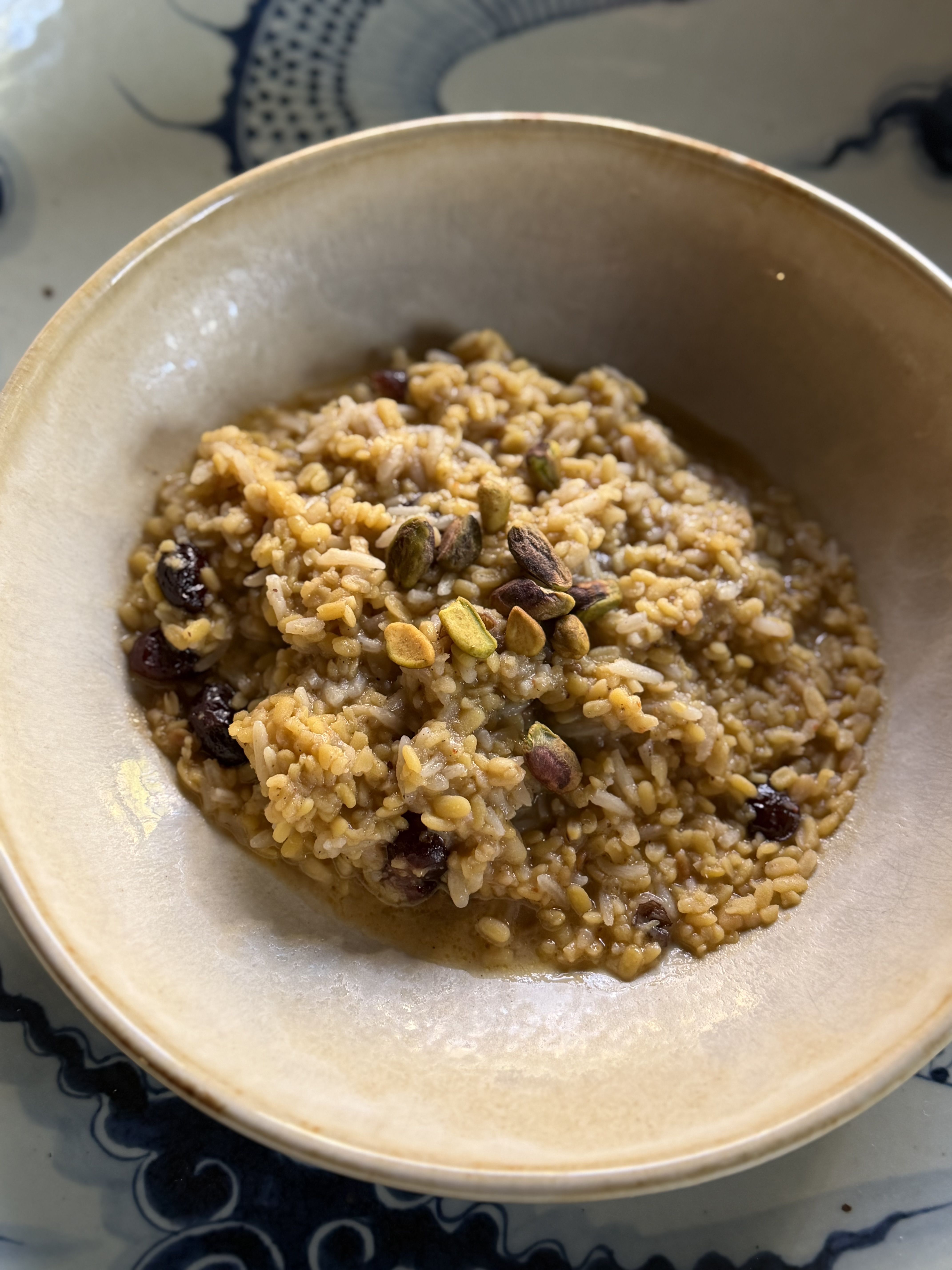

The fourteenth-century traveler Ibn Battuta described a preparation of rice and moong beans eaten in India. Centuries later, accounts of the Mughal kitchens recorded more elaborate variations, demonstrating how readily this humble dish could become something fit for a royal table.
Throughout India, kitchari —khichdi, khichri, khichuri—has taken on the character of the people and places preparing it. Some are mild and soupy. Others are thick and rich, laden with vegetables. It might be seasoned with cumin and turmeric or accompanied by yogurt, pickles and crisp papad.
I particularly love the creative freedom of a recipe that has traveled through so many generations, worlds and kitchens. This is practical magic—the way a traditional dish remembers where it has been, while still meeting us right where we are. Tradition, but with plenty of room for imagination.
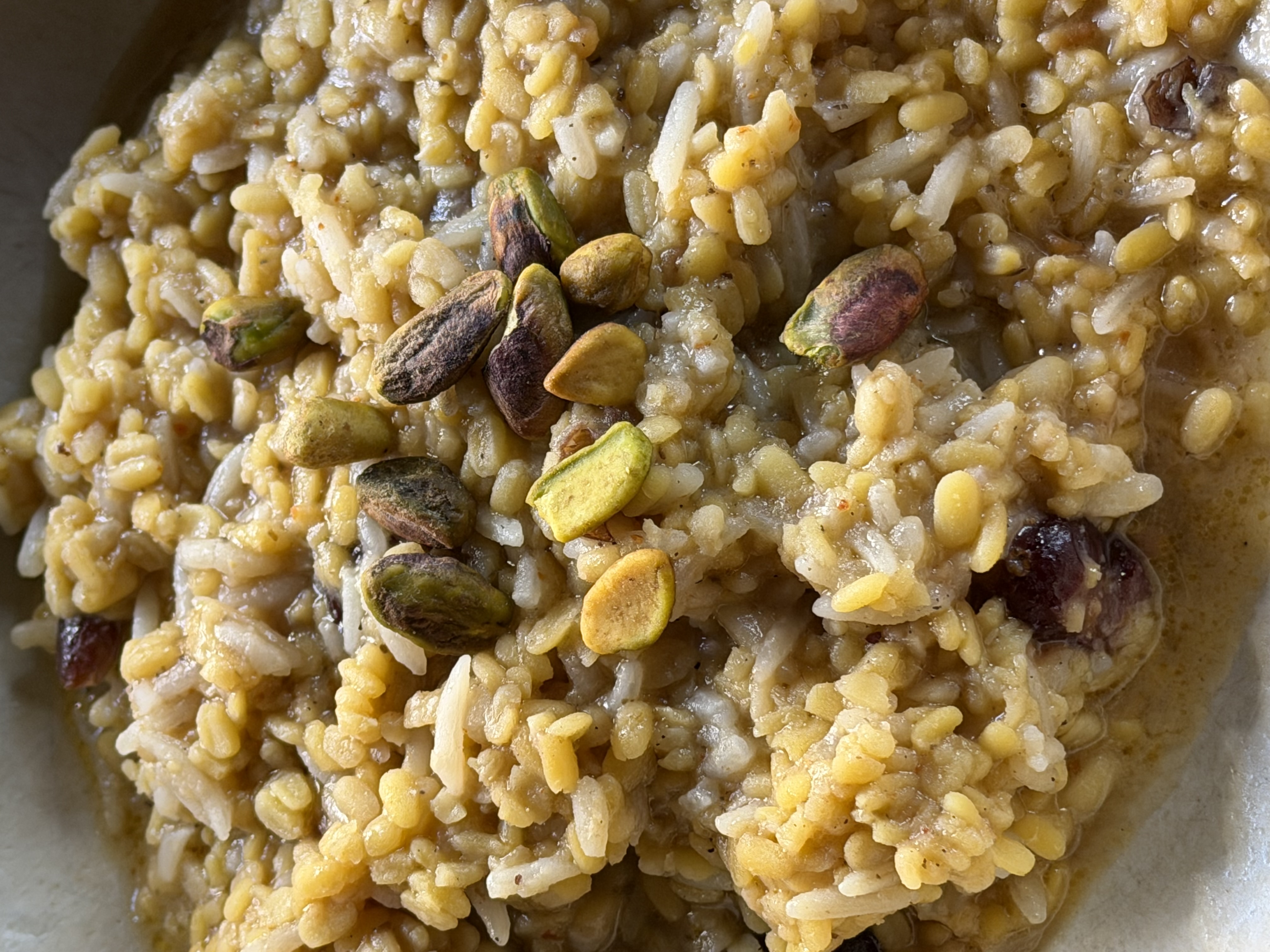
For this version I go hearty, with an added handful of dried cranberries and toasted pistachios. The cranberries soften into little jewels of sweetness, while the pistachios bring their lovely green color and a delicate crunch. …And then there are the spices.
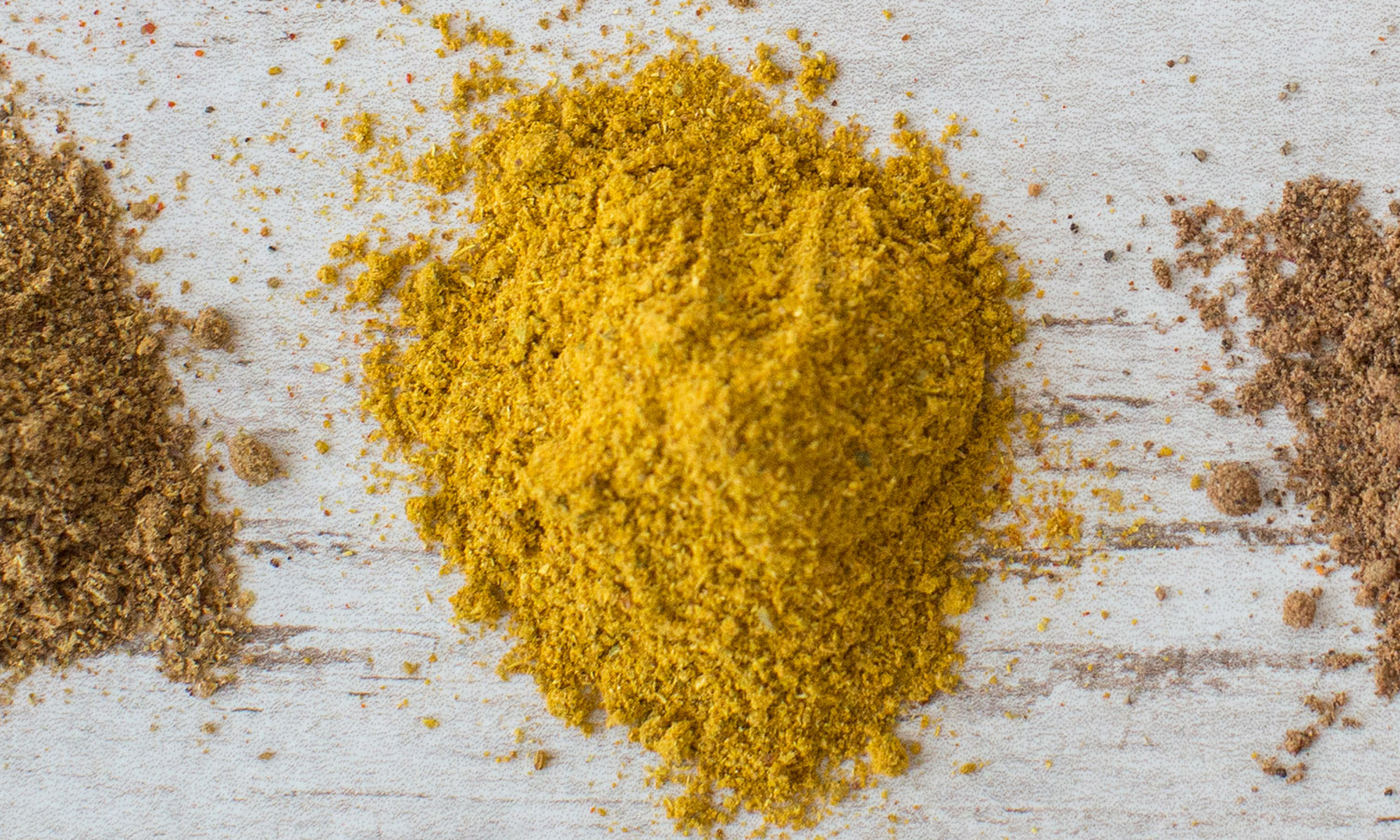
My friend Bina Mehta creates beautiful Indian spice blends inspired by her Gujarati heritage and lifelong relationship with Ayurvedic cooking. Her Maharani Masala, with its fragrant notes of fennel, coriander, ginger and mango, is perfect for this golden bowl of goodness—fragrant enough for a holiday table. Comforting enough for an ordinary Tuesday.
To Ayurveda, a simple preparation of kitchari is valuable medicine—easily digestible, nourishing and soul-satisfying, particularly during periods of rest and recuperation.
Its goodness begins with its ingredients.
Moong, or mung bean, provides plant-based protein, dietary fiber, folate and minerals. Yellow split moong dal cooks into a particularly tender texture, giving kitchari its characteristic creaminess.
Basmati rice provides carbohydrates for energy and complements the protein found in the moong. Together, grains and legumes offer a useful variety of amino acids.
Spices bring the distinctive flavor. Cumin, ginger, coriander and turmeric are Indian culinary and Ayurvedic treasures. Bloom spices in warm ghee to release their aromas and infuse the entire dish.
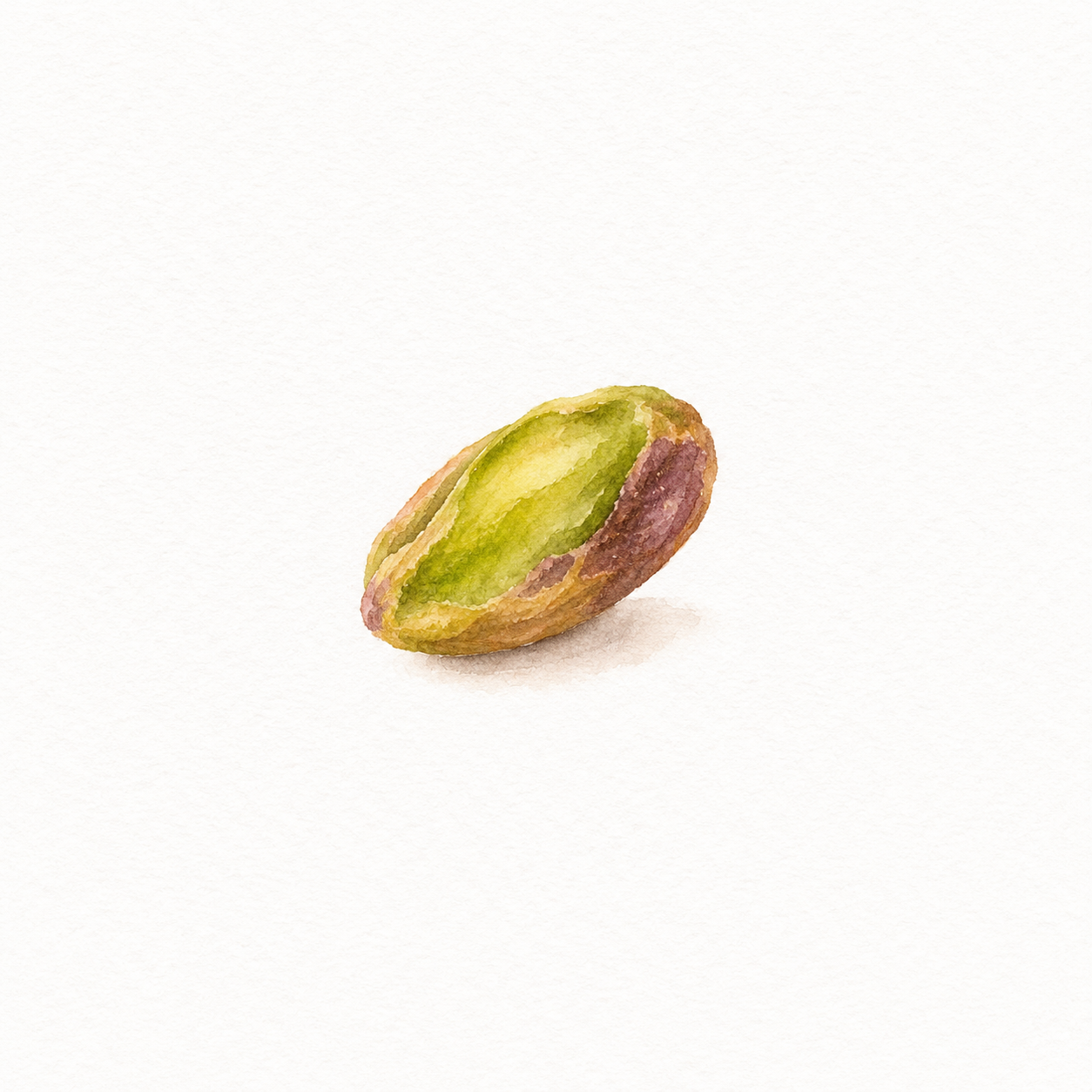
Pistachios contribute additional plant protein, fiber and unsaturated fats, along with their wonderful color and crunch.
Cranberries introduce a bright, tart sweetness that plays beautifully against the earthy grains and fragrant spices. A handful is enough.

The Recipe
Golden Kitchari with Cranberries & Pistachios
Serves 4 generously
Preparation: 15 minutes (plus soaking time)
Cook Time: 35–45 minutes (longer at altitude)
Ingredients
For the kitchari:
For the finishing touches:

Preparation
1. Wash the rice and moong.
Rinse the moong and basmati rice separately in a strainer under cool water until the water runs nearly clear. Drain well. If time allows, soak the moong for about 15-20 minutes before cooking.
Yellow split moong is important here. Whole mung beans retain their green skins and take considerably longer to soften.
2. Warm the ghee and wake the spices.
In a heavy-bottomed saucepan, melt the ghee over medium-low heat.
Add the whole cumin seeds and let them gently sizzle for about 30 seconds. Stir in the fresh grated ginger, turmeric, and Maharani Masala. Cook briefly, stirring constantly, until the fragrance fills the kitchen.
The spices should become wonderfully fragrant without darkening or burning.
3. Add the rice and moong.
Put the drained grains into the saucepan. Stir gently until every grain is coated with the fragrant ghee and spices. Let everything warm together for about a minute.
4. Let the pot simmer.
Pour in 4 cups of water and add the salt. Stir once, bring to a gentle boil, and then immediately reduce the heat to low. Partially cover the saucepan and simmer for 30–40 minutes, stirring occasionally until the moong becomes a soft, creamy consistency.
Cooking times can be longer at higher elevations. Let the tenderness of the moong and rice determine when the dish is ready.
5. Add the cranberries.
During the final 5–7 minutes of cooking, stir in the dried cranberries. They will soften and plump, offering lovely little surprises of tart sweetness.
Taste the kitchari and adjust the salt or spices as desired.
6. Toast the pistachios.
While the kitchari finishes, place the pistachios in a dry skillet over medium-low heat.
Toast gently for two or three minutes, shaking the pan often, until lightly fragrant. Roughly chop a few, leaving the rest whole.
7. Bring everything together.
Remove the kitchari from the heat and allow it to rest for about five minutes. It will continue to thicken as it stands.
For a softer texture, stir in another splash of hot water or oat milk. A small spoonful of ghee gives the finished dish an especially silky richness.
Spoon generously into warm bowls. Add the toasted pistachios and a few extra cranberries on top.
Serve warm.
Should you have leftovers, refrigerate them promptly and reheat thoroughly with a splash of water or oat milk.
Making Kitchari with Bina
Raised in an Ayurvedic family in Mumbai, Bina Mehta brings a lifetime of culinary knowledge and affection for Indian food to her cooking. An Ayurvedic Lifestyle Consultant, cooking teacher, and author of Turmeric & Spice: Indian Cuisine for the Mind, Body, and Spirit, she celebrates the artistry of spices and the pleasure of preparing food.
In this companion film, Bina shares her own variation of kitchari. As with so many beloved traditional dishes, the ingredients and preparation can change from kitchen to kitchen, offering each of us the opportunity to discover a favorite version.
Discover Bina Mehta’s Maharani Masala and Roasted Cumin, along with her cookbook and other Indian spice blends, at binamehta.com.